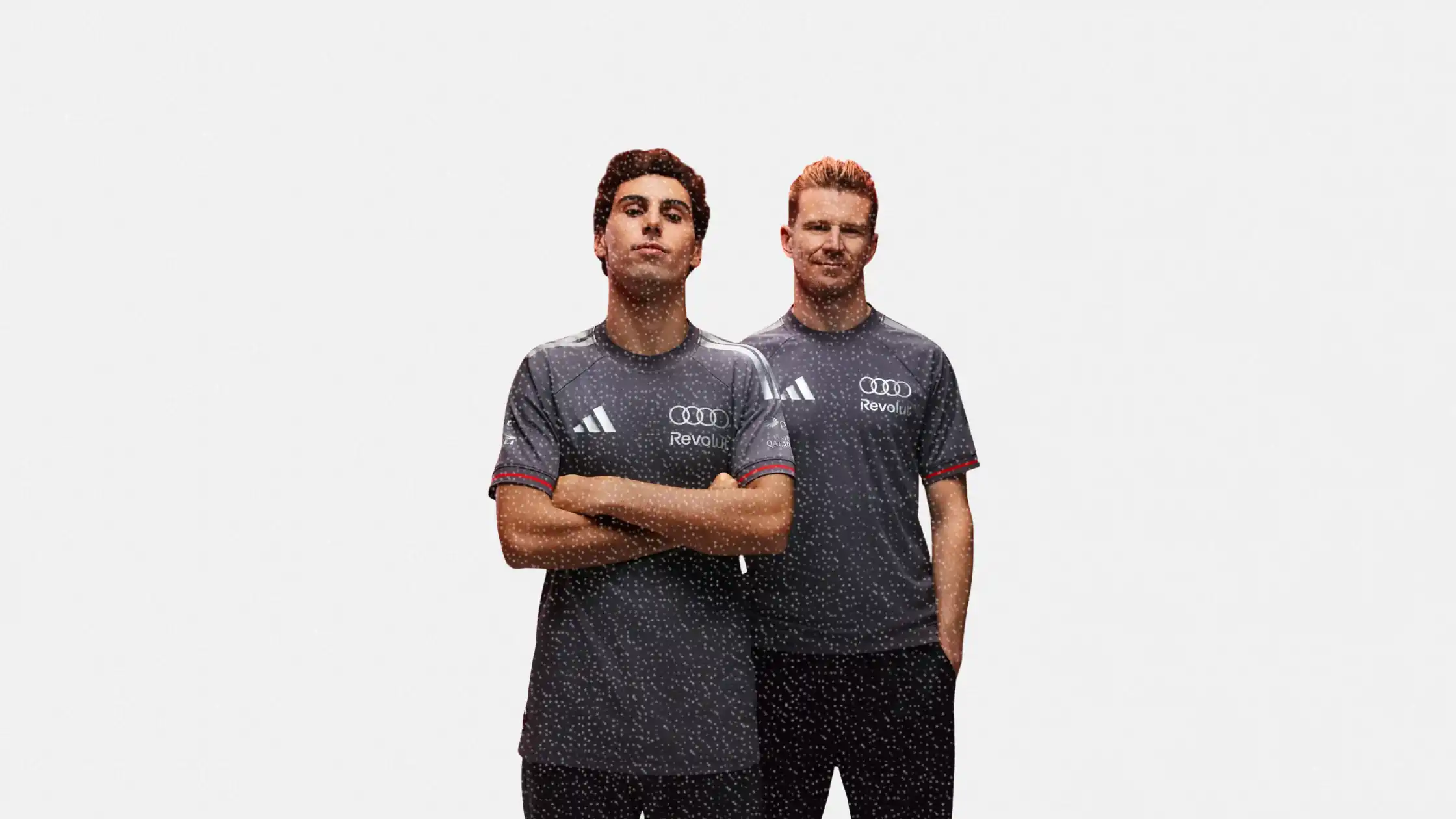
Audi is accelerating into Formula 1 with more than a new factory team. It is launching a lifestyle strategy designed to extend the brand far beyond the racetrack. The global drop of the adidas x Audi Revolut F1 Team collection on 19 February signals how seriously Audi is treating F1 as a cultural and commercial platform.
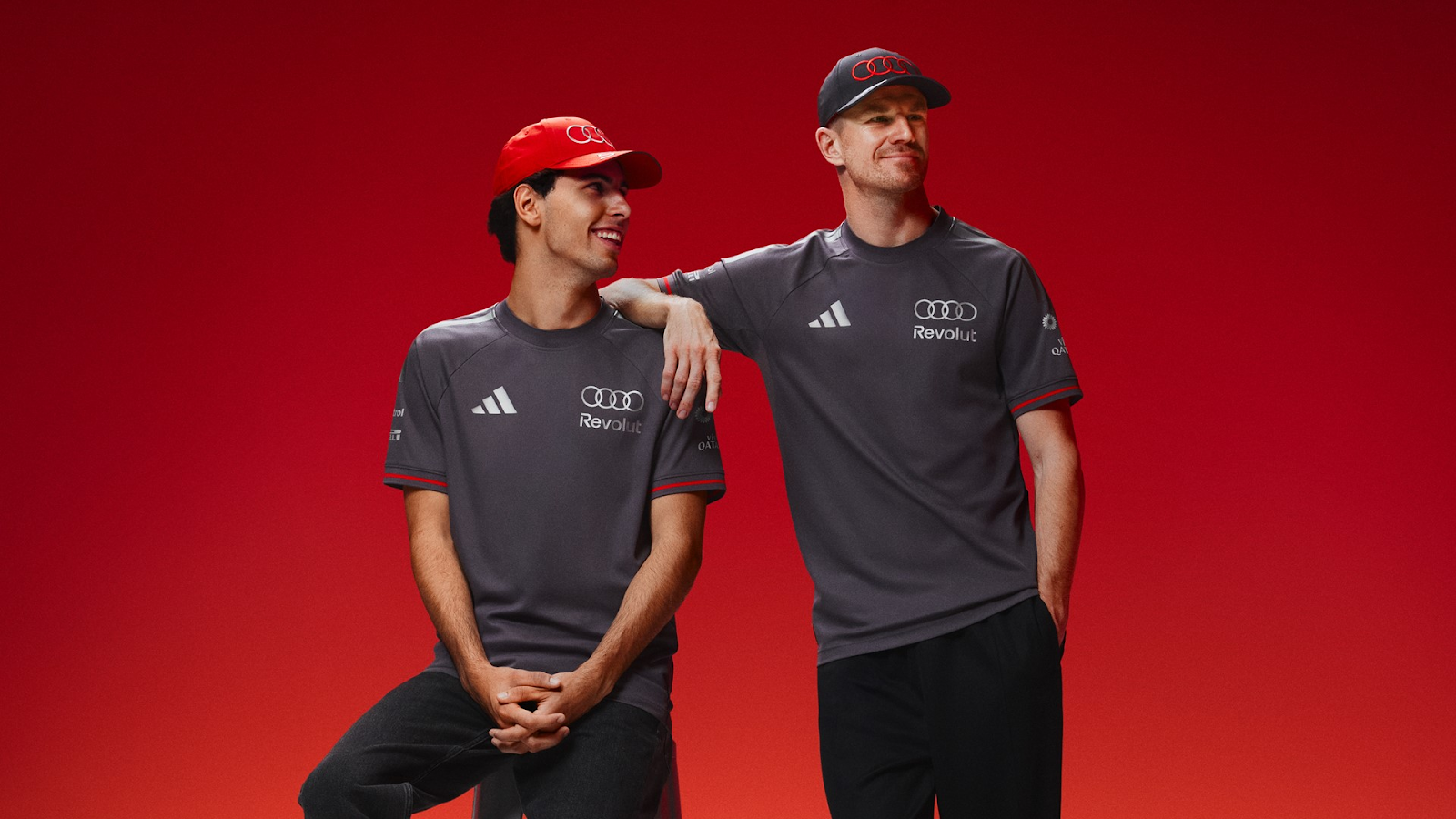
This article explores how the adidas partnership fits into Audi’s broader brand transformation, why Formula 1 has become a magnet for fashion and lifestyle collaborations, and what marketers can learn from turning sport into year-round brand engagement.
Short on time?
Here’s a table of contents for quick access:
- What the adidas x Audi Revolut F1 Team collection includes
- Why Audi is using Formula 1 as a lifestyle platform
- How adidas strengthens Audi’s cultural credibility
- What marketers should know about sport x lifestyle collaborations
What the adidas x Audi Revolut F1 Team collection includes
The collaboration spans more than 160 pieces, split between official teamwear and lifestyle-focused fanwear. Both lines promise adidas’ signature quality, comfort, and design, while aligning with Audi’s evolving Formula 1 identity.
The fanwear line includes three pillars:
- The “DNA” range, built around essential pieces in the team’s primary colours
- The “Elevated Fanwear” range, which blends clean design with subtle branding for everyday wear
- Drivers’ merchandise and limited-edition drops throughout the season
Official teamwear, which debuted in Berlin in January, combines adidas performance technologies with designs tailored for drivers, engineers, and mechanics. Grey and chalk tones reference the Audi R26’s titanium paint, while red accents echo the team’s Formula 1 visual signature.
In Singapore, selected pieces will be available at the Audi House of Progress from late March. According to Martin Bayer, Managing Director at Audi Singapore, integrating merchandise into the showroom is about creating year-round engagement and extending F1 excitement into an ongoing brand experience.
Why Audi is using Formula 1 as a lifestyle platform
Audi’s Formula 1 programme, set to officially begin in 2026 under its own factory team, is positioned internally as a catalyst for broader brand renewal.
The Audi R26 Concept, unveiled at the Audi Brand Experience Center in Munich last November, introduced a refreshed visual identity built around titanium, carbon black, and Audi red. Red Audi rings are reserved exclusively for its F1 presence, reinforcing exclusivity and spectacle.
Audi ceo Gernot Döllner described the F1 programme as the next chapter in the company’s renewal, aimed at making the brand leaner, faster, and more innovative while tapping into Formula 1’s global reach and younger fanbase.
The apparel partnership is not a side project. It is a strategic extension of that transformation. As Bayer noted, lifestyle apparel allows Audi to connect with customers in a more personal and expressive way, translating performance DNA and progressive design into everyday wear.
How adidas strengthens Audi’s cultural credibility
The multiyear adidas deal, which officially kicks off in 2026, goes beyond logo placement. It covers high-performance gear for drivers Nico Hülkenberg and Gabriel Bortoleto, as well as engineers, mechanics, and team personnel. It also includes globally available apparel, footwear, and accessories lines ahead of the 2026 season.
Michael Batz, Global Vice President of Adidas Motorsports, emphasized shared values of performance, innovation, and athlete-first thinking. Jonathan Wheatley, Team Principal of Sauber and future Team Principal for Audi, framed the partnership as a co-creation effort rather than a traditional sponsorship.
For marketers, that distinction matters.
Adidas brings more than technical apparel expertise. It brings cultural fluency across music, fashion, and street culture. Wheatley described the ambition as building a cultural icon brand that resonates far beyond the motorsport bubble.
The brands are aiming for what he called a union of the four rings and the three stripes, designed to connect sport, fashion, and global storytelling.
Digital engagement is part of that ecosystem. The global Audi Revolut F1 Team app offers behind-the-scenes content, race insights, and interactive features to deepen engagement year-round. Even at a local level, Bayer highlighted the role of the app in delivering experiential and informative content to fans.
What marketers should know about sport x lifestyle collaborations
Audi and adidas offer a blueprint for brands looking to stretch beyond their core category.
Here are four takeaways:
- Treat merchandise as media
Lifestyle apparel is not just a revenue stream. It is wearable brand storytelling. Every hoodie or jacket becomes a moving billboard embedded in culture.
- Build ecosystems, not campaigns
Audi is aligning apparel, physical showrooms, F1 racing, digital apps, and hospitality partnerships such as Burnt Ends Bakery in Singapore. This creates multiple touchpoints rather than a one-off launch moment.
- Think long-term brand architecture
By announcing partnerships well ahead of the 2026 season, Audi signals long-term intent. Marketers should note how early alignment builds anticipation and allows partners to co-create identity from the ground up.
- Target new audiences through culture
Formula 1’s growth among younger and more diverse audiences is well documented. For brands, the opportunity lies in entering through culture first, product second. As Bayer put it, fans may first encounter Audi through sport and lifestyle before experiencing its automotive innovations.
Audi’s collaboration with adidas is not just about outfitting a Formula 1 team. It is about redefining what an automotive brand can be in a lifestyle-driven era.
As Formula 1 continues to expand globally, brands that treat sport as a cultural platform rather than a sponsorship slot will have a structural advantage. Audi is betting that fashion, technology, and motorsport can converge into a single, cohesive identity.
For marketers, the lesson is clear: if you want year-round engagement, build beyond the core product and meet audiences where performance intersects with culture.


Leave a Reply