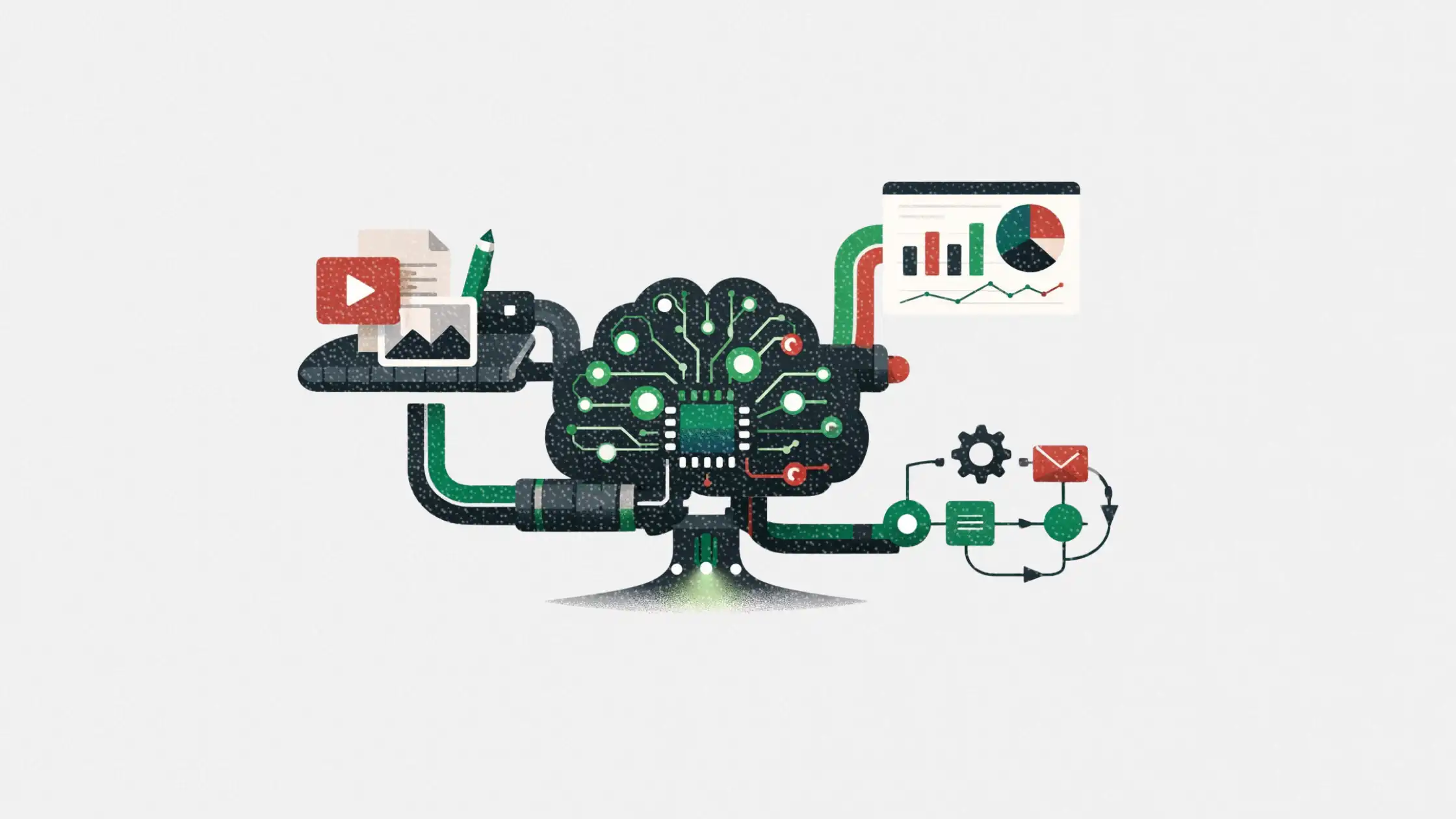
AI marketing tools are no longer a nice-to-have. They are quickly becoming the operating system behind how modern marketing teams create content, run campaigns, and make decisions at scale.
At the same time, the landscape has exploded. New tools launch every week, categories are blurring, and marketers are left navigating a fragmented stack of platforms that promise automation, personalization, and performance gains.
This article explores what AI marketing tools actually are, the different categories shaping the space, the best tools to know in 2026, and how to build a strategy that turns AI from a productivity hack into a competitive advantage.
Short on time?
Here’s a table of contents for quick access:
- What AI marketing tools are
- Why AI marketing tools matter in 2026
- Types of AI marketing tools
- How to choose the right AI marketing tools
- AI marketing workflows
- Benefits of AI marketing tools
- Challenges and limitations
- Future of AI marketing tools
What AI marketing tools are
AI marketing tools are software platforms that use artificial intelligence, machine learning, or generative AI to automate, optimize, or enhance marketing activities.
Unlike traditional martech, which relies heavily on manual setup and rule-based automation, AI tools can analyze data, generate content, and make predictions with minimal human input.
Core capabilities typically include:
- Automation: reducing repetitive tasks like campaign setup or reporting
- Personalization: tailoring content and experiences at scale
- Prediction: forecasting outcomes such as churn or conversion likelihood
- Content generation: producing copy, images, and even video
Adoption is already widespread. Around 88% of marketers are using AI tools today, and 76% are leveraging them specifically for content creation and copywriting.
Why AI marketing tools matter in 2026
1. Speed and scale
AI removes one of marketing’s biggest bottlenecks: content production.
From blog posts to ad variations, teams can now generate and iterate at a pace that was previously impossible. This is not just about volume, but about testing more ideas faster.
93% of marketers say AI helps them generate content faster, making speed a baseline expectation rather than a competitive edge.
2. Performance and ROI
AI tools improve targeting, segmentation, and optimization through predictive analytics.
Instead of reacting to performance, marketers can anticipate it. This shift can drive measurable gains, with AI increasing marketing ROI by 5–15% in many cases.
3. Competitive advantage
AI adoption is no longer experimental. It is strategic.
75% of marketers say AI gives them a competitive advantage, particularly in areas like personalization, campaign optimization, and decision-making speed.
 Patrecia Meliana
Types of AI marketing tools
This is the core cluster every marketer should understand. Each category can function independently, but the real value comes from how they work together.
 Patrecia Meliana
1. AI content creation tools
These tools focus on generating and scaling creative output:
- Copywriting tools like ChatGPT and Jasper
- Image and video tools like Midjourney and Runway
- SEO content platforms that optimize structure and keywords
 Patrecia Meliana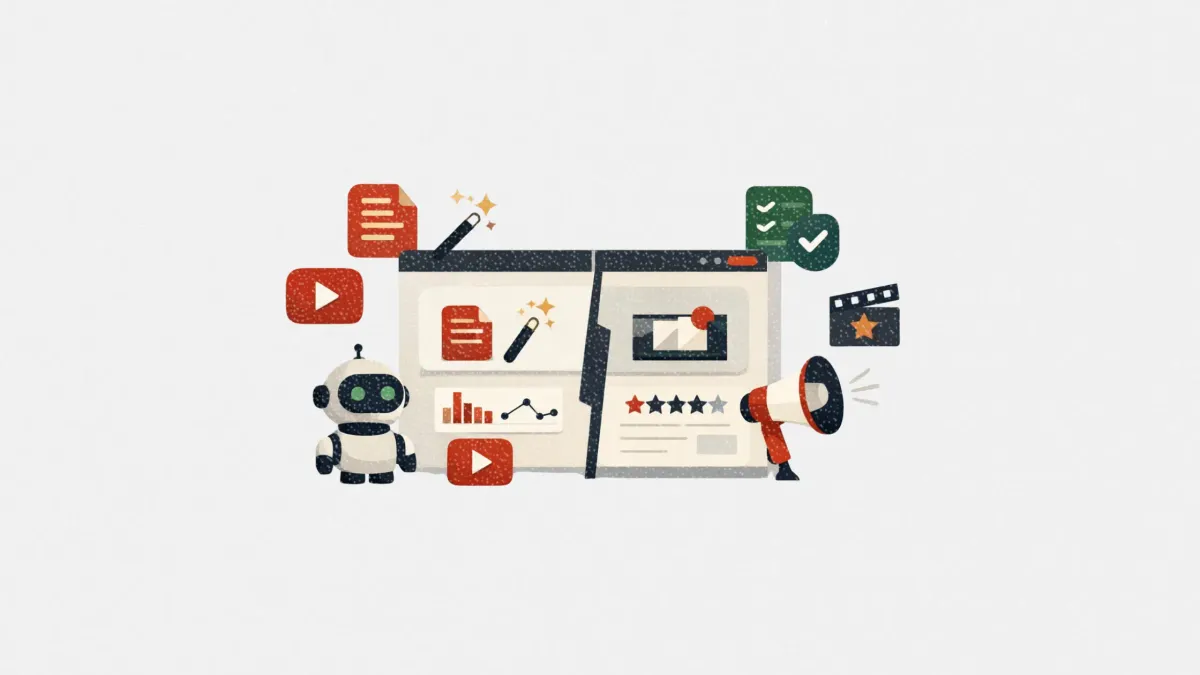
2. AI SEO tools
Focused on search visibility and content performance:
- Keyword research and clustering
- Content optimization and scoring
- SERP analysis and competitive insights
 Patrecia Meliana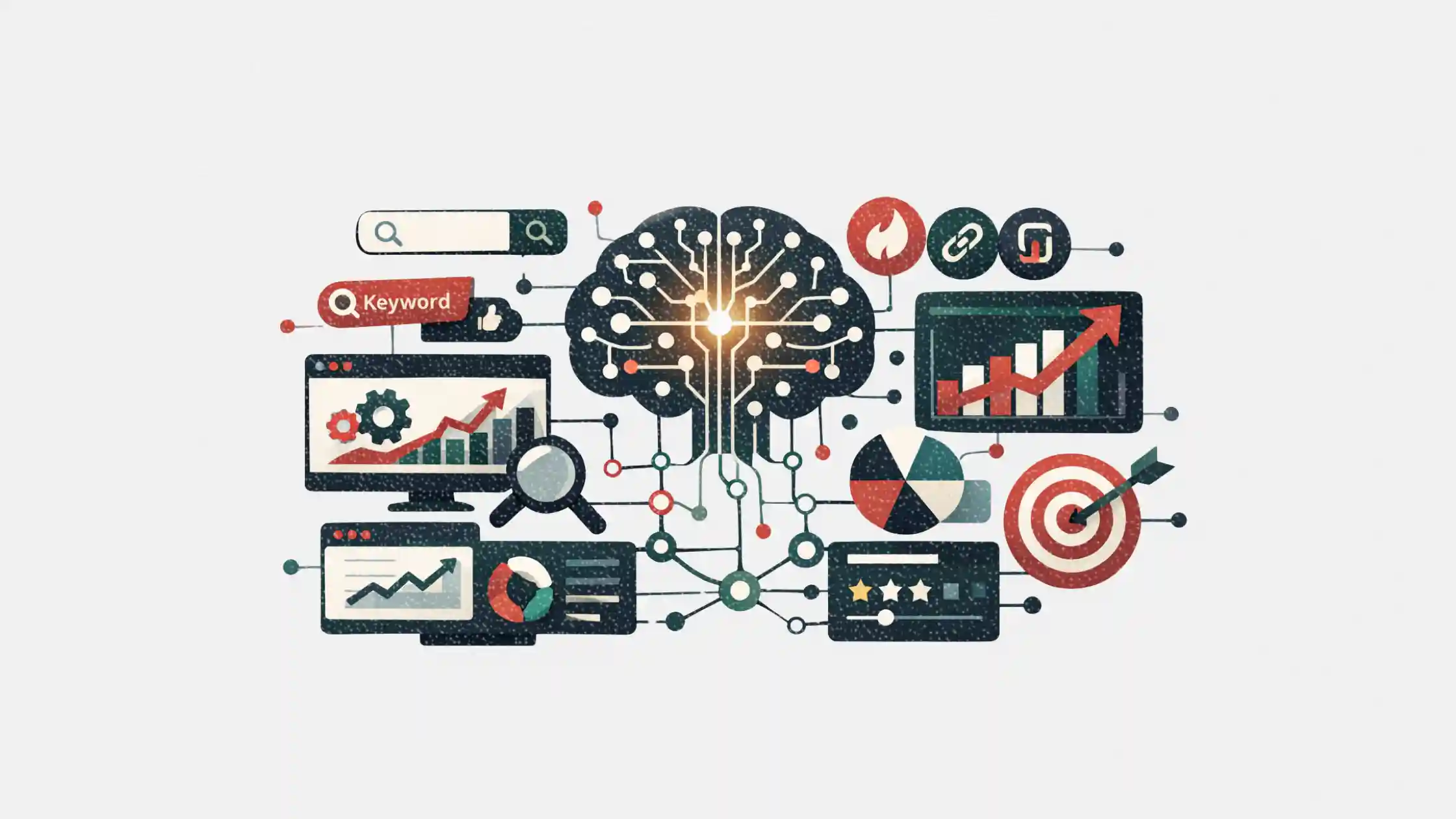
3. AI social media tools
Built for distribution and engagement:
- Scheduling and caption generation
- Trend analysis and social listening
- Content repurposing across formats
 Patrecia Meliana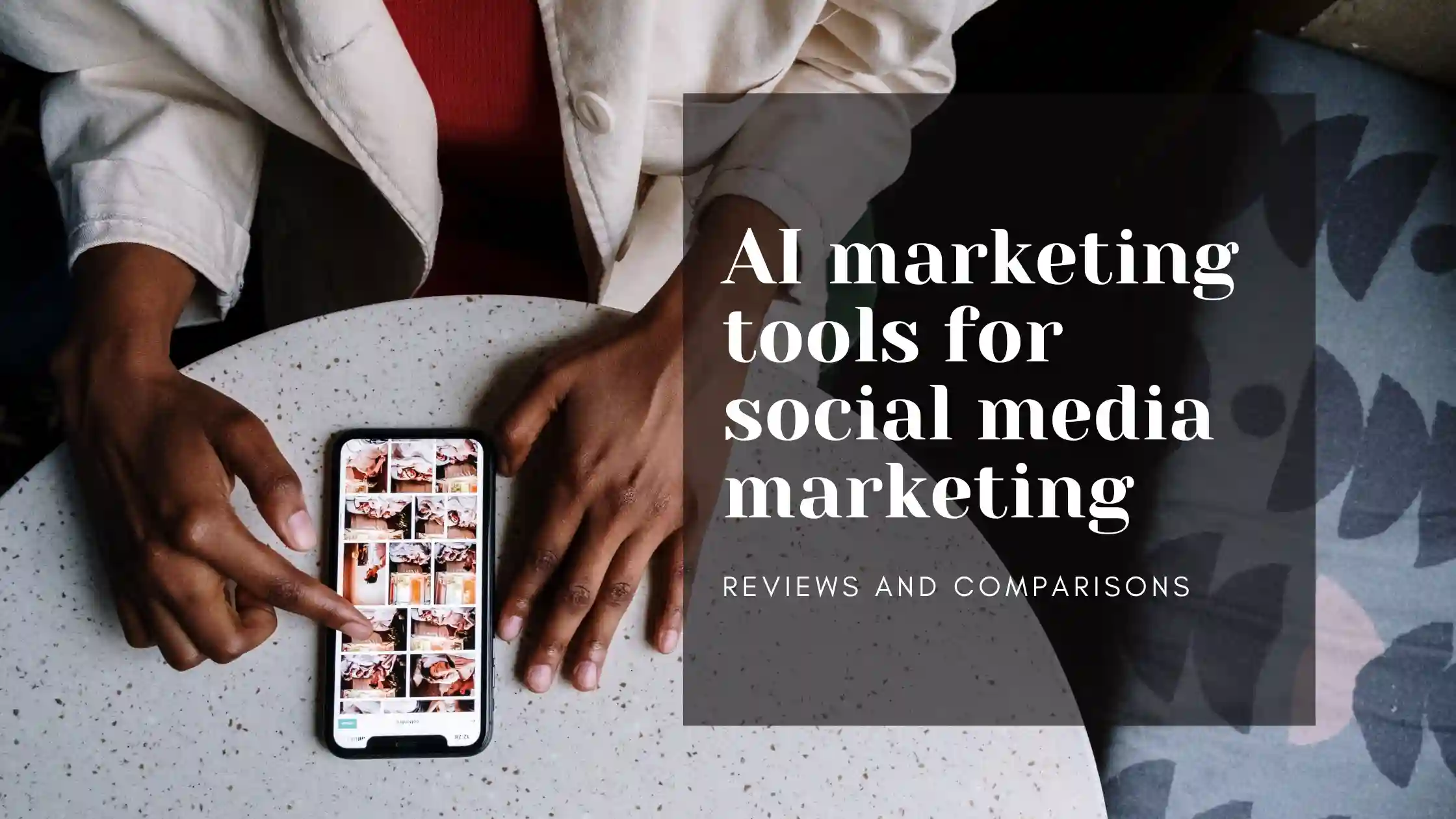
4. AI photo and video editing tools
These tools focus on producing and refining visual content at speed, without heavy production workflows:
- AI image editing, generation, and enhancement
- Video editing, clipping, and scene generation
- Automated resizing and formatting for different platforms
 Patrecia Meliana
5. AI email marketing tools
Focused on lifecycle and retention:
- Personalized email content
- Subject line optimization
- Send-time prediction
 Patrecia Meliana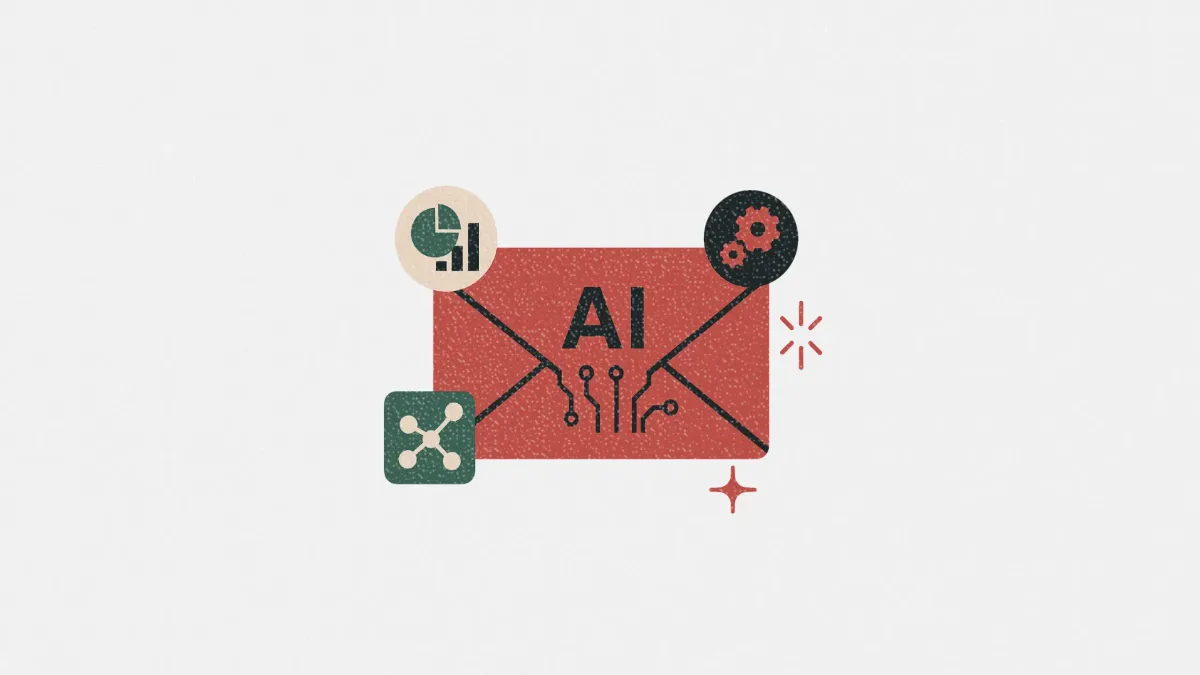
6. AI analytics and data tools
These tools turn raw data into actionable insights:
- Predictive analytics
- Customer segmentation
- Attribution modeling
 Patrecia Meliana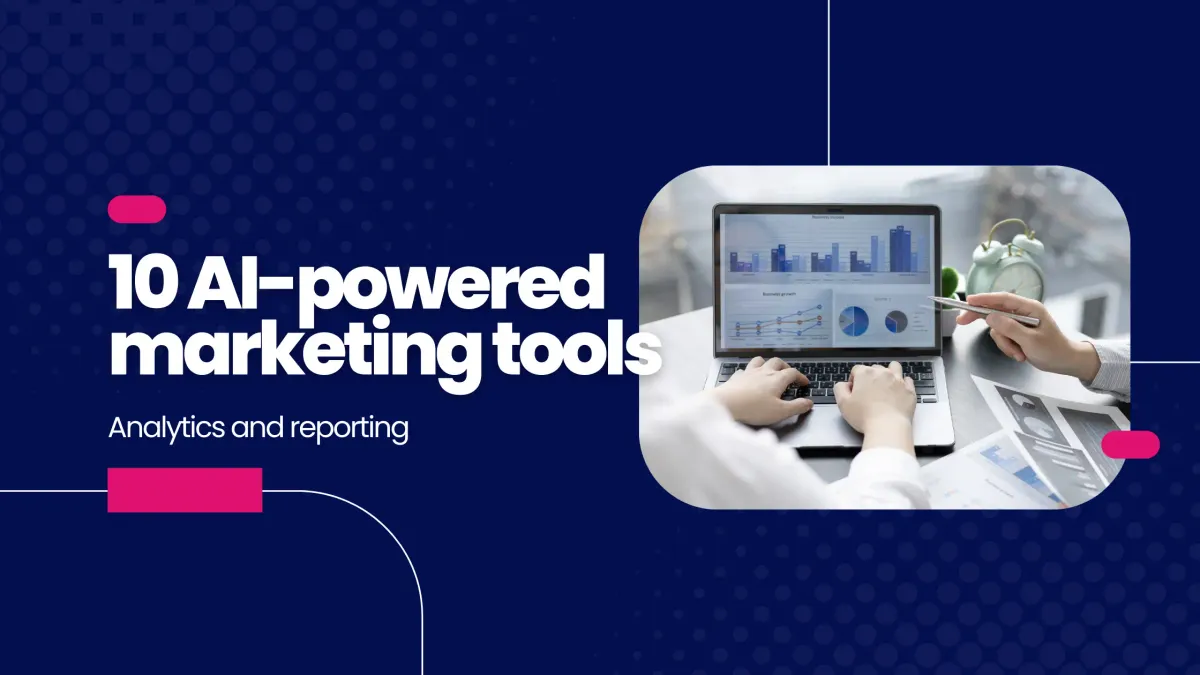
7. AI chatbots and conversational marketing tools
Used for real-time interaction:
- Customer support automation
- Lead qualification
- Conversational AI experiences
 Patrecia Meliana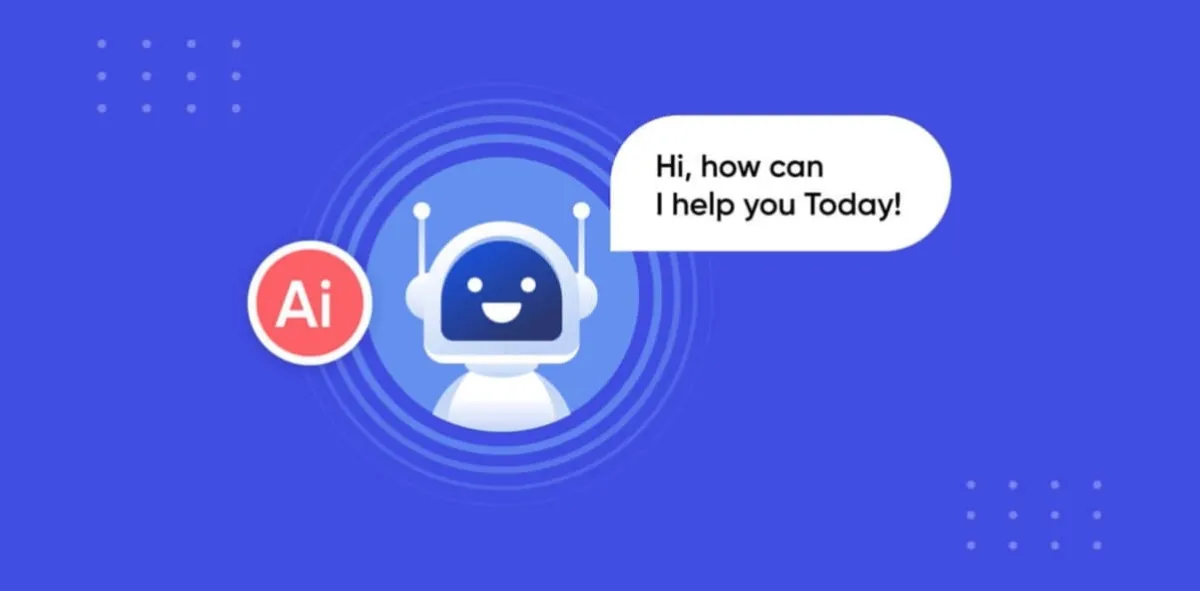
8. AI marketing automation tools
The orchestration layer:
- Workflow automation
- CRM integration
- Lifecycle marketing management
 Valery Moniaga
How to choose the right AI marketing tools
Choosing AI tools is less about features and more about fit.
Focus on:
- Budget: align tools with expected ROI
- Team size: avoid overcomplicating your stack
- Use case: content, analytics, automation, or all three
- Integration: this is often the biggest constraint
62% of teams struggle with data integration across tools. This makes interoperability more important than any single feature.
AI marketing workflows
The real power of AI comes from connecting tools into workflows rather than using them in isolation.
A typical workflow might look like:
- Keyword research: AI SEO tool identifies opportunities
- Content creation: GenAI generates drafts and assets
- Distribution: social AI tools schedule and adapt content
- Optimization: analytics AI tools refine performance
This shift from tools to workflows is where AI starts to drive real business impact.
 Patrecia Meliana
Benefits of AI marketing tools
AI is not just making marketing faster. It is changing how teams operate.
Instead of being limited by bandwidth, smaller teams can now produce, test, and optimize at a scale that used to require large orgs. Content, campaigns, and experiments can run in parallel, not sequentially.
Personalization also shifts from manual segmentation to dynamic adaptation. AI adjusts messaging and timing in real time, making output not just more frequent, but more relevant.
The real gain is not cost savings. It is leverage. Teams spend less time producing and more time making decisions that move the needle.
Patrecia Meliana
Challenges and limitations
Most teams are still scratching the surface of what AI can actually do. The biggest blocker is data. AI depends on connected systems, but many stacks are still fragmented. When tools cannot share data, automation and prediction fall apart.
There is also a capability gap. While adoption is high, meaningful integration into workflows is still low. Many teams default to basic use cases like copy generation without rethinking how work gets done. Over-reliance is another risk. Without strong oversight, AI output can become generic, which undermines differentiation.
In practice, success with AI depends less on the tool and more on how it is governed and integrated.
Patrecia Meliana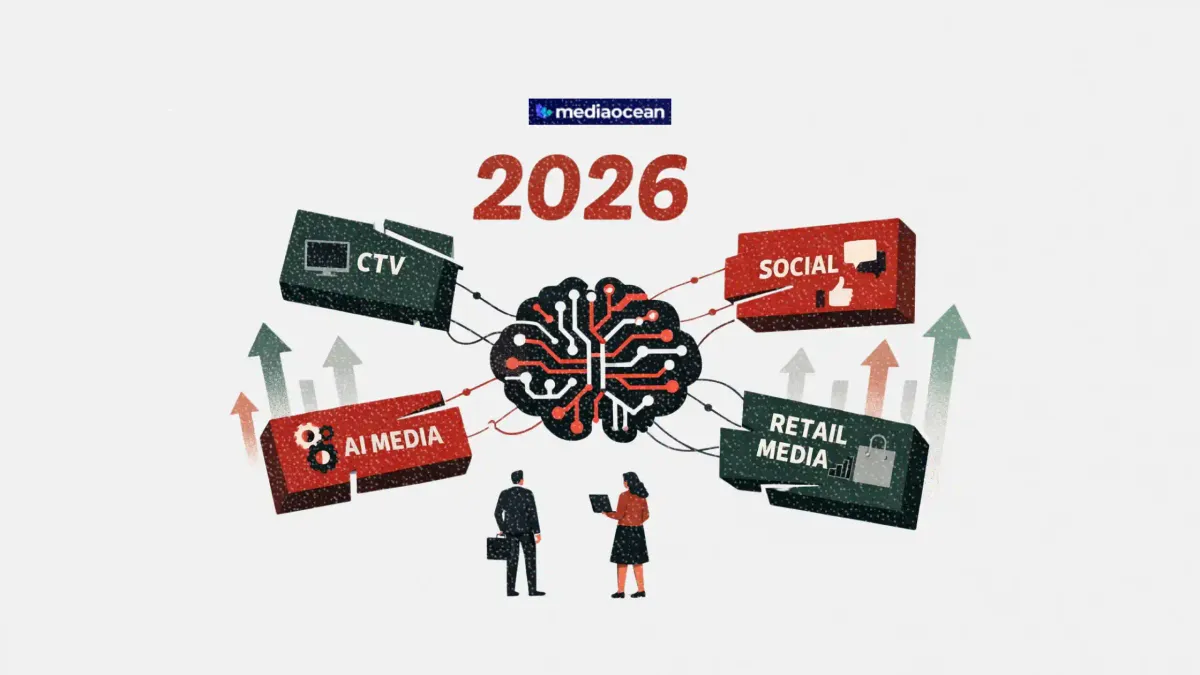
Future of AI marketing tools
The next shift is from tools to agents.
Instead of dashboards and manual optimization, marketers will define goals while AI systems execute and adapt in real time. This moves AI from assistant to operator. At the same time, marketing is becoming fully multimodal. Text, image, and video are created and tested together, shrinking the gap between idea and execution.
Personalization will go deeper, moving from segments to real-time, individual experiences. This creates new opportunities, but also raises questions around data and control. Finally, discovery itself is changing. As AI-driven search evolves, brand signals like PR and authority will matter more, blurring the lines between SEO, content, and communications.
Patrecia Meliana
What marketers should know
If there is one strategic takeaway, it is this: AI is not a tool upgrade. It is a workflow transformation.
To stay competitive:
- Prioritize integration over stacking more tools
- Build repeatable AI workflows, not one-off use cases
- Combine human strategy with AI execution
- Invest in skills, not just software
AI marketing tools are reshaping how marketing gets done, from content creation to campaign optimization. But the real advantage does not come from using AI. It comes from using it well.
Teams that treat AI as infrastructure, not a shortcut, will be the ones that scale faster, adapt quicker, and outperform competitors in the years ahead.


Leave a Reply