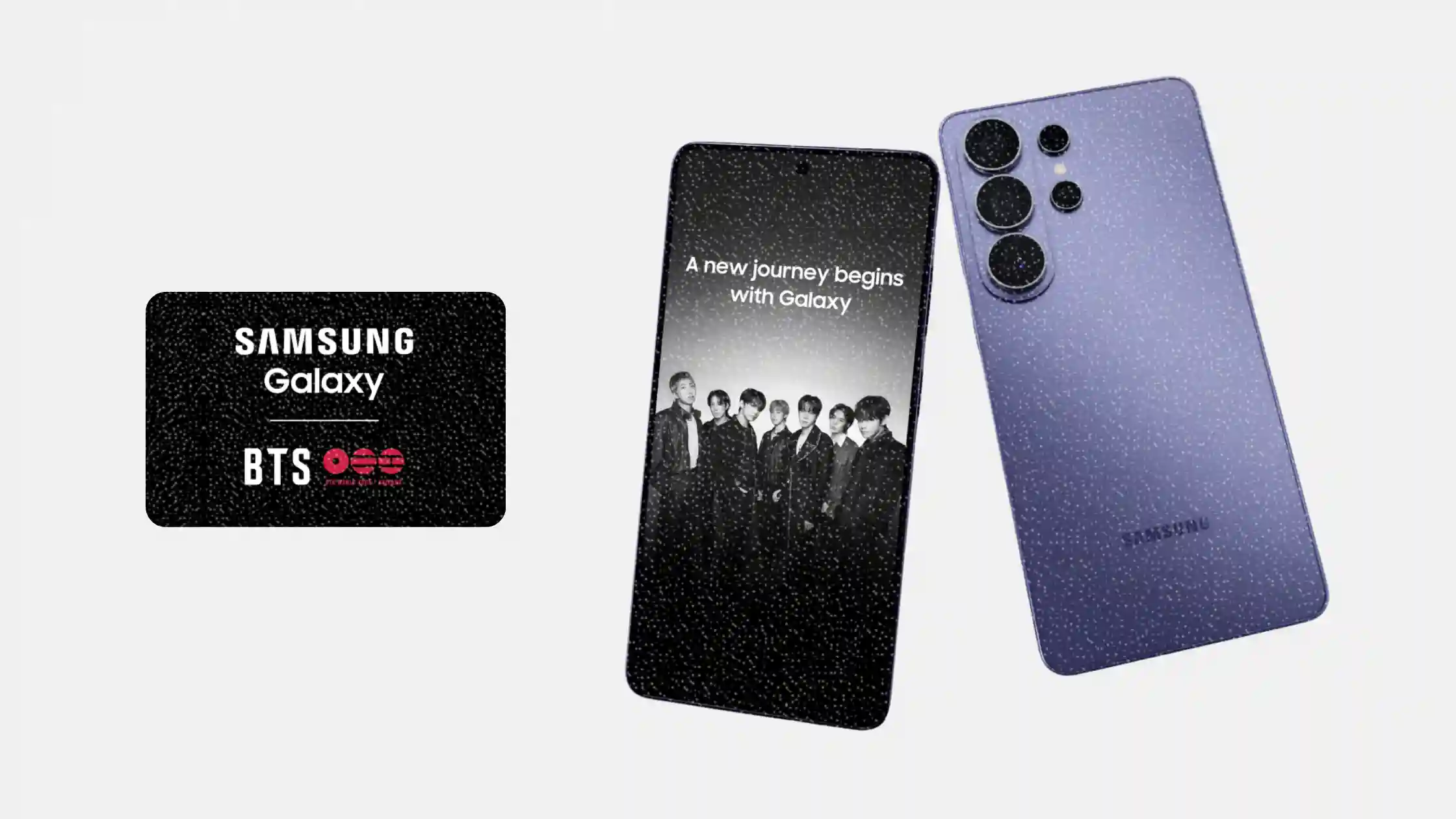
Samsung is doubling down on experiential marketing, this time by embedding its Galaxy ecosystem directly into one of the world’s biggest cultural moments. Its new global partnership with BTS World Tour ARIRANG is not just about sponsorship visibility. It is about turning live entertainment into a product demo at scale.
0:00
This article explores how Samsung is using music, fandom, and mobile technology to reframe the concert experience, and what this signals for marketers looking to bridge digital engagement with real-world moments.
Short on time?
Here’s a table of contents for quick access:
- What Samsung and BTS are launching together
- How Galaxy devices are becoming part of the fan experience
- Why this matters for experiential and fan-first marketing
- What marketers should know about turning events into media channels
 Patrecia Meliana
What Samsung and BTS are launching together
Samsung Electronics has announced a global partnership with BTS World Tour ARIRANG, positioning its Galaxy brand at the center of the tour’s fan experience.
The tour will begin in Goyang, South Korea, before expanding to major cities worldwide through 2027. Alongside the concerts, Samsung is activating BTS The City ARIRANG Seoul, a city-wide program running from March 20 to April 19 that layers branded experiences across key locations.
The partnership is built around shared themes of self-expression and connection, aligning BTS’s fan culture with Samsung’s brand positioning. Samsung executives describe Galaxy as a “bridge” between artists and audiences, while HYBE leadership emphasizes deeper fan immersion and memory-making.
This is not Samsung’s first collaboration with BTS, but it is one of its most integrated efforts, tying product usage directly into live experiences rather than relying on traditional endorsements.
 Patrecia Meliana
How Galaxy devices are becoming part of the fan experience
At the core of the partnership is a shift from passive sponsorship to active participation. Samsung is embedding its devices into how fans experience, capture, and share the event.
Key elements include:
- Galaxy S26 Ultra as a concert tool
The device’s camera is positioned as a way for fans to capture live performances and relive moments beyond the event itself.
- Interactive city-wide activations
Fans can engage with Galaxy-powered experiences across Seoul, including stamp rallies and hands-on product trials at Samsung’s Gangnam store.
- AI-powered creative features
The Galaxy AI Creative Studio allows fans to create personalized stickers, blending user-generated content with brand-led experiences.
- Gamified engagement and rewards
Completing activities unlocks limited-edition merchandise, turning participation into a loyalty loop.
In effect, the smartphone is no longer just a recording device. It becomes part of the narrative, the interaction layer, and the distribution channel.
 Patrecia Meliana
Why this matters for experiential and fan-first marketing
This partnership reflects a broader shift in how brands approach large-scale events.
Instead of treating concerts as media inventory, Samsung is treating them as interactive platforms. The difference is subtle but important:
- Traditional sponsorship focuses on visibility
- Experiential integration focuses on utility and participation
By aligning with BTS, Samsung is also tapping into one of the most engaged global fanbases. The BTS ARMY is not just an audience. It is a community that actively creates, shares, and amplifies content.
That makes this partnership less about reach and more about network effects. Every fan becomes a potential content creator using Samsung’s ecosystem.
There is also a timing factor. With BTS returning to the global stage following hiatus and military service, the tour carries built-in cultural momentum. Netflix recently hosted the live comeback event, BTS THE COMEBACK LIVE | ARIRANG, which drew 18.4 million global viewers, reinforcing the scale of anticipation and fan engagement. Samsung is effectively attaching itself to that resurgence.
What marketers should know about turning events into media channels
For marketers, this move highlights a few practical shifts worth paying attention to:
1. Design for participation, not just exposure
Events should give users something to do, not just something to watch. Interactive layers like gamification, creation tools, and rewards drive deeper engagement.
2. Turn products into experience enablers
Samsung is not just showcasing features. It is embedding them into moments that matter. This makes the product part of the memory, not just the message.
3. Build ecosystems around tentpole moments
The BTS The City concept extends the experience beyond the concert venue into the broader environment. This creates multiple touchpoints and longer engagement windows.
4. Leverage fandom as a distribution engine
Highly engaged communities amplify content organically. The key is giving them tools and incentives to create and share.
5. Connect physical and digital journeys
From live events to shareable content, the entire experience is designed to flow across channels. This is where mobile-first ecosystems have an advantage.
 Patrecia Meliana
Samsung’s BTS partnership shows how brand integrations are evolving from sponsorships into full-fledged experience platforms. By embedding Galaxy devices into the fan journey, the company is turning live events into scalable, content-generating ecosystems.
For marketers, the takeaway is clear. The future of experiential marketing is not just about being present at cultural moments. It is about shaping how those moments are experienced, captured, and shared.


Leave a Reply