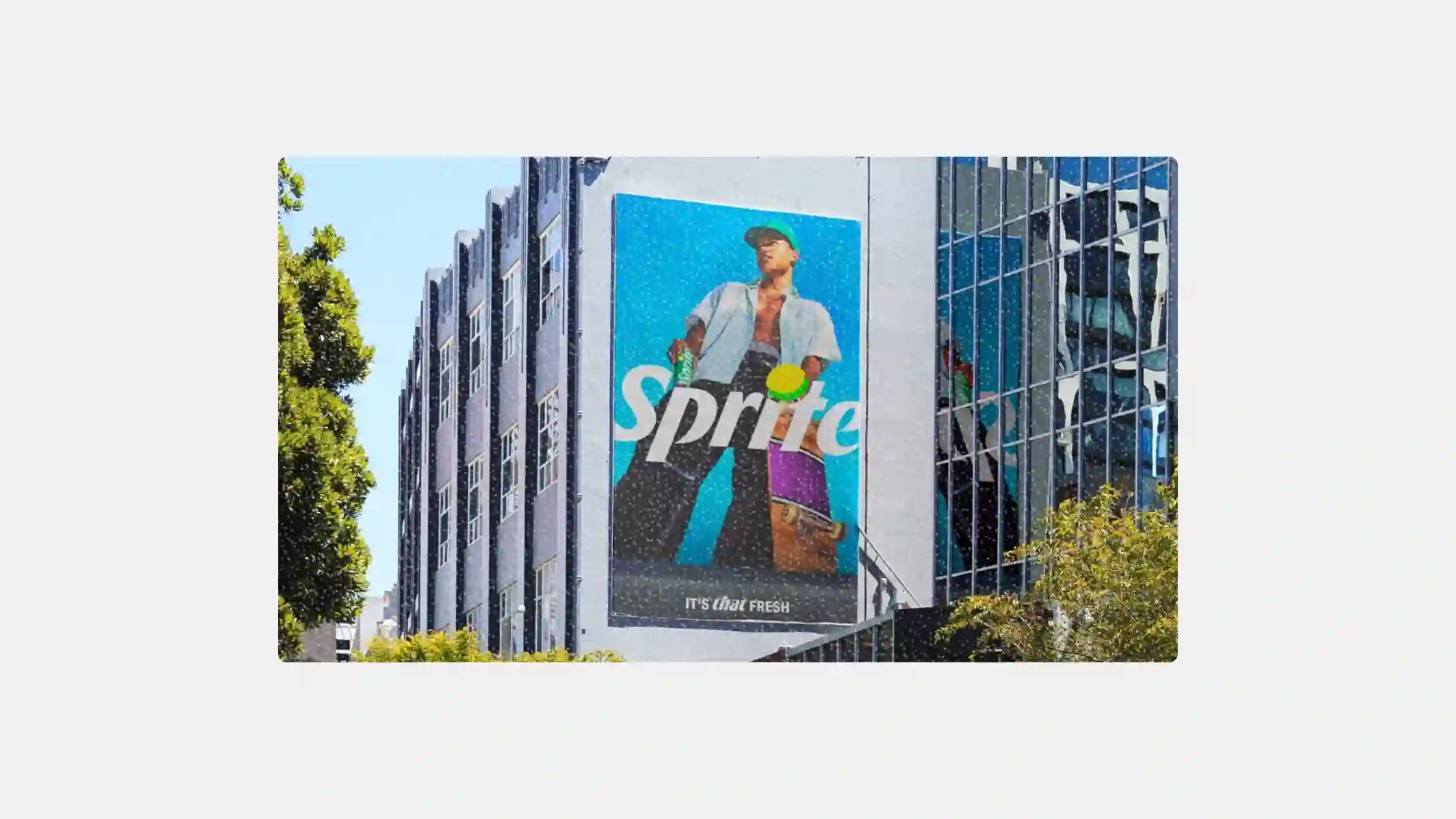
Sprite is making a calculated move to reinforce its cultural relevance with Gen Z. With the launch of its new global platform, It’s That Fresh, the brand is aligning its identity across 180 markets while doubling down on the spaces where younger audiences already spend their time — music, street culture, and food.
This article explores what’s behind Sprite’s latest repositioning, how it blends branding with cultural participation, and what marketers can learn from a campaign that treats culture not as a channel, but as infrastructure.
Short on time?
Here’s a table of contents for quick access:
- Inside Sprite’s fresh global repositioning
- How Sprite is courting Gen Z through culture
- What marketers should know
 Patrecia Meliana
Inside Sprite’s fresh global repositioning
Sprite is turning up the volume on cultural relevance with the launch of its global brand platform, It’s That Fresh. Debuting in March 2026, the initiative spans 180 markets and consolidates Sprite’s long-standing ties to street culture under a unified brand experience.
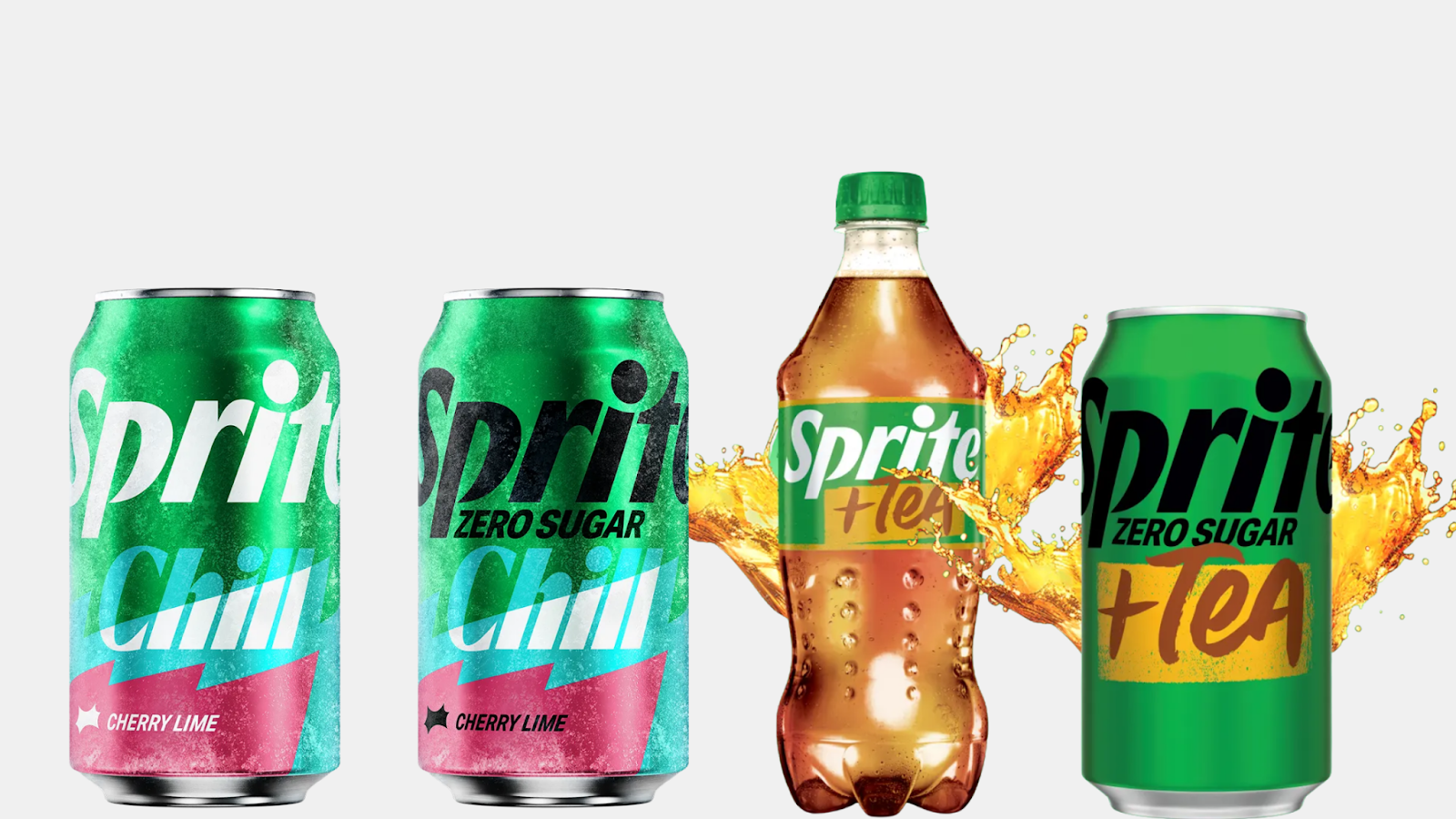
The platform introduces a revamped visual identity (including the return of the Lymon symbol), new packaging designs for Sprite and Sprite Zero Sugar, and a sonic branding system dubbed the “Sprite Sound”, developed with Grammy-winning producer Mustard.
In essence, It’s That Fresh is Sprite’s global refresh — but through a distinctly Gen Z lens. The brand positions it not just as a flavor cue, but a mindset: bold, rule-breaking, and rooted in originality.
 Patrecia Meliana
How Sprite is courting Gen Z through culture
Rather than trying to dictate what’s cool, Sprite is placing bets on the people shaping culture at street level — from up-and-coming music creators to foodies obsessed with spice.
- Music
Beyond the new audio identity, Sprite tapped UK rapper LeoStayTrill to create original content using a custom Ableton-powered device loaded with Sprite product sounds. The goal? Create a recognizable Sprite sound that cuts through both media noise and culture clutter.
@leostaytrill i made a song for @Sprite 🍋#leostaytrill
- Street culture
The brand’s partnership with LA’s Crenshaw Skate Club is central to its community-first push. Expect exclusive drops and experiences throughout 2026 targeting fashion and skate communities.
- Food
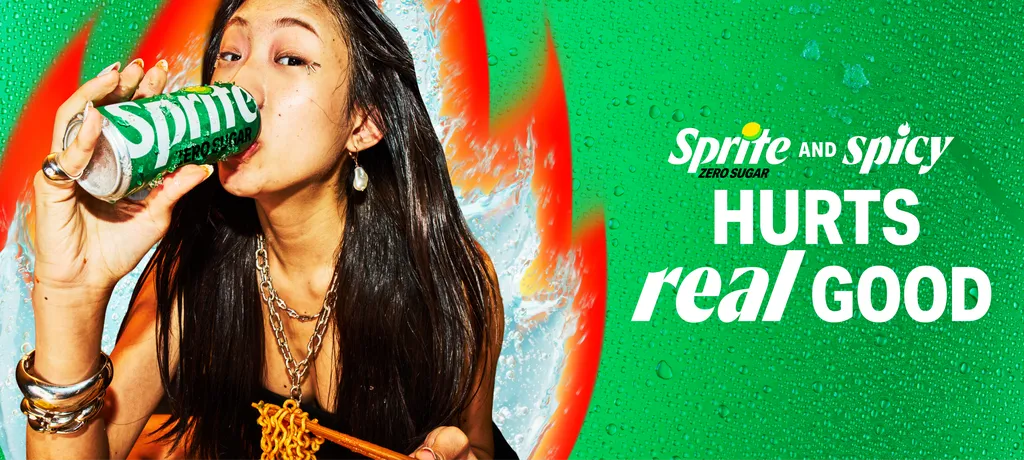
Sprite is deepening its Hurts Real Good spicy food campaign via collabs with Takis, Tabasco, and McDonald’s. It’s designed to tap into Gen Z’s appetite for spice — not just as a flavor, but as a shared social experience.
- Product innovation
Sprite is taking two regional hits global — Sprite Chill, with a built-in cooling sensation, and Sprite + Tea, inspired by a TikTok-born flavor hack. Both lines introduce bold new flavors like Lemon Mint and Black Tea to reframe how Sprite can be consumed.
The launch was kickstarted by Sprite FreshFest in London, an immersive event mixing live music, product tastings, and cultural collabs — signaling that this isn’t just a campaign, but an always-on brand shift.
 Patrecia Meliana
What marketers should know
Sprite’s move offers four takeaways for brand and PR leaders looking to future-proof their youth marketing strategies:
1. Build platforms, not campaigns
Sprite is unifying its brand expression globally instead of launching fragmented regional campaigns. This creates consistency while still allowing local cultural execution.
2. Invest in multisensory branding
The introduction of a sonic identity shows how brands are moving beyond visual assets. Audio is becoming a critical layer, especially in short-form video and creator-led ecosystems.
Patrecia Meliana
3. Co-create with culture, don’t interrupt it
From music tools to food collaborations, Sprite is embedding itself into cultural production rather than advertising around it. This approach aligns with how Gen Z engages with brands.
4. Turn consumer behavior into product innovation
Sprite + Tea is a direct response to a viral trend. Instead of ignoring or borrowing from culture, Sprite is operationalizing it into scalable products.
Sprite’s It’s That Fresh platform reflects a broader shift in how global brands approach youth marketing. Cultural relevance is no longer achieved through one-off campaigns, but through consistent participation across multiple touchpoints.
For marketers, the takeaway is clear: staying relevant with Gen Z requires more than messaging. It demands systems, partnerships, and product strategies that evolve alongside the audience shaping culture in real time.