In the world of Gen Z marketing, language isn’t just how brands communicate—it’s how they earn relevance, trust, and cultural resonance. If you’ve seen the numbers behind Gen Z behavior, you already know this generation isn’t just mobile-first; they’re community-first, irony-laced, and allergic to anything that reeks of corporate speak.
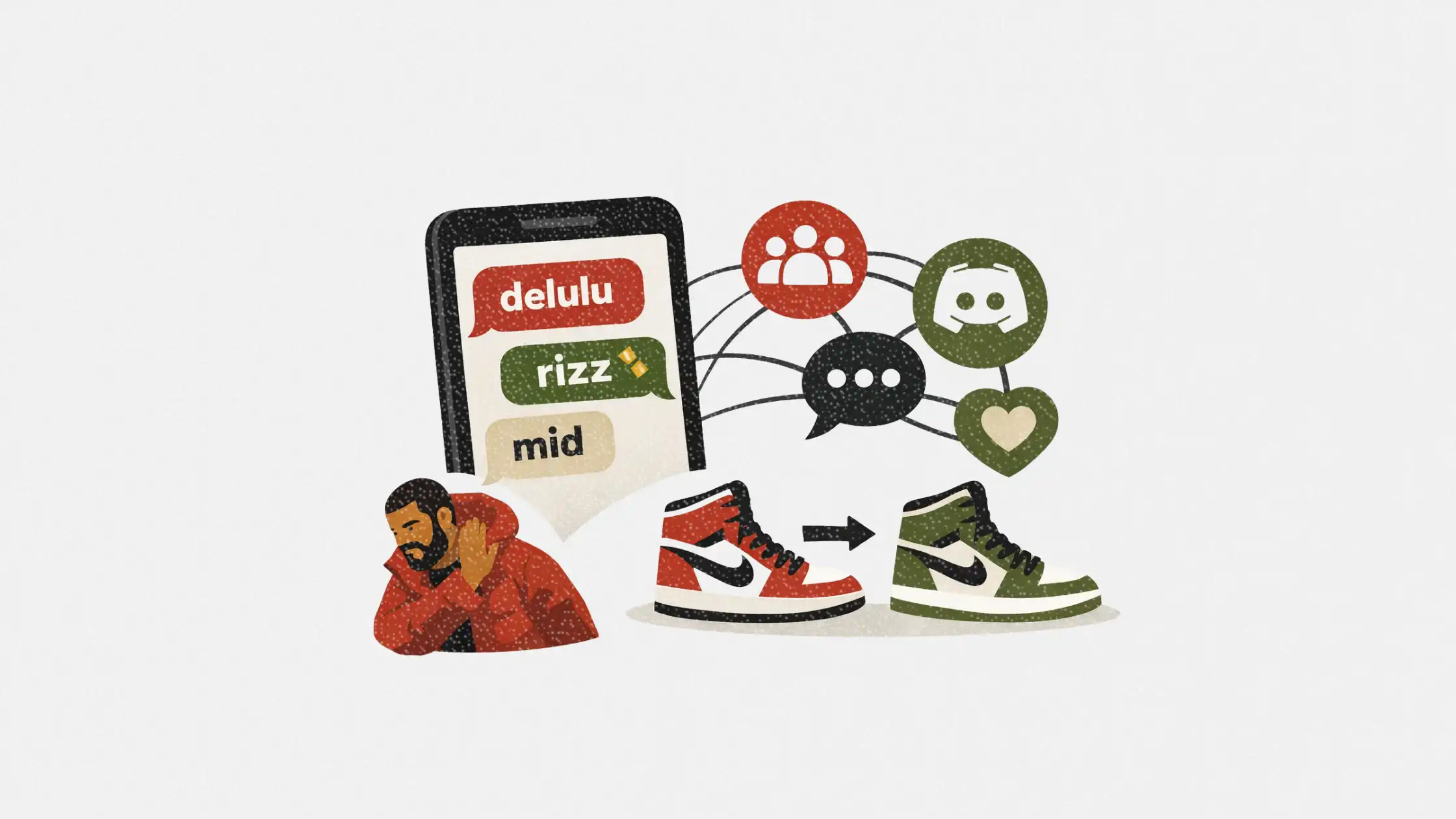
The way Gen Z talks on TikTok, Discord, and even in comment sections is constantly evolving. From slang like “delulu” to strategic terms like “dupe culture” and “comment section marketing,” keeping up isn’t optional—it’s strategic.
This article explores why Gen Z’s language matters, breaks down 40+ essential terms, and shows marketers how to actually use them.
Short on time?
Here’s a table of contents for quick access:
- What is Gen Z marketing (and why its language matters)
- Core Gen Z marketing terms every marketer should know
- Gen Z slang marketers should actually understand
- Emerging Gen Z marketing concepts to watch
- Common mistakes brands make with Gen Z language
- How to actually use this glossary in your strategy
 Patrecia Meliana
What is Gen Z marketing (and why its language matters)
Gen Z marketing refers to brand strategies tailored to those born between the mid-1990s and early 2010s. This generation grew up with the internet, memes, and TikTok—meaning their language is both culturally nuanced and digitally native.
Why does this matter for marketers? Because language reflects values. Gen Z prefers brands that speak with authenticity, embrace irony, and foster real community.
Misunderstanding the language often signals a deeper disconnect with how Gen Z behaves and what they expect from brands.
 Patrecia Meliana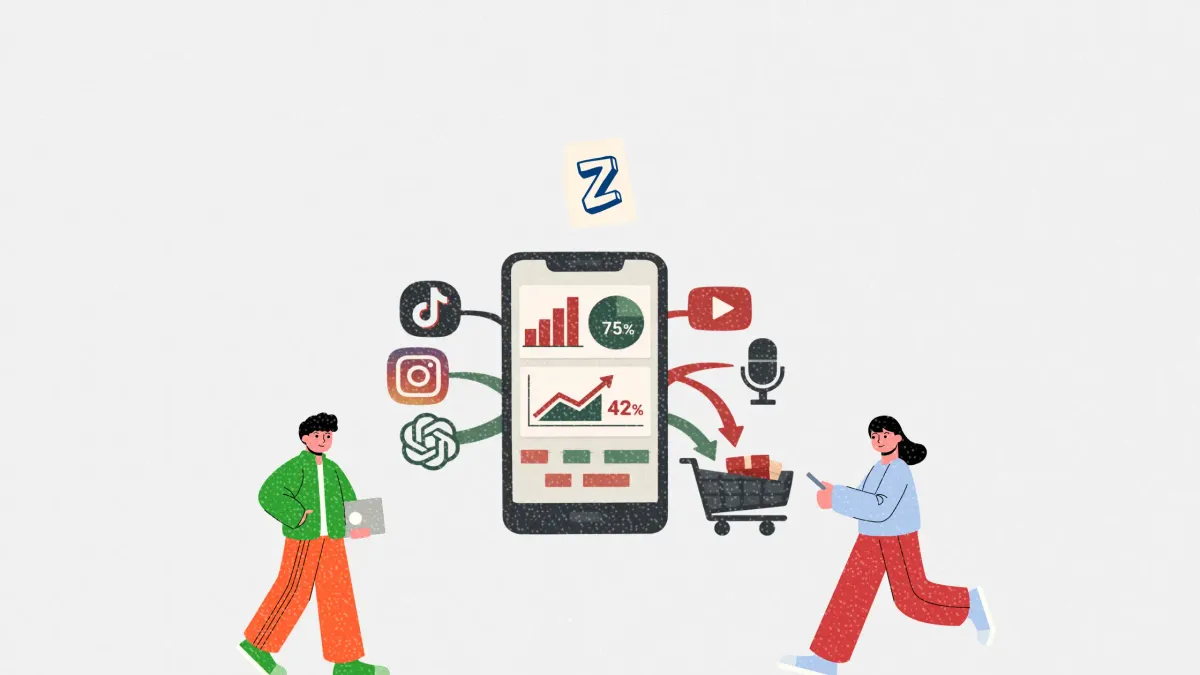
Core Gen Z marketing terms every marketer should know
Culture and behavior terms
- Digital native: Someone who grew up with internet, smartphones, and social media as the norm.
- Authenticity: A brand voice or message that feels real, not manufactured.
- Relatability: Content that feels personal and familiar, not aspirational or distant.
- Community-driven marketing: Strategies that build belonging through shared values, not top-down messaging.
- Identity-first marketing: Campaigns that center race, gender, or cultural identity as primary lenses for engagement.
 Patrecia Meliana
Content and platform terms
- Short-form video: Snackable video content under 60 seconds, optimized for TikTok and Reels.
- Algorithm-friendly content: Posts designed to trigger engagement signals that boost visibility.
- Creator economy: The ecosystem of individuals monetizing audiences through content, products, or collabs.
- UGC (user-generated content): Content created by users, not brands, often used for social proof.
- Dupe culture: Celebrating cheaper alternatives to luxury or trending products.
- Comment section marketing: Building brand personality and engagement via witty or viral comments.
 Patrecia Meliana
Campaign and strategy terms
- Always-on marketing: A continuous content strategy that stays present in real-time cultural convos.
- Trendjacking: Hopping on a viral trend to gain visibility and relevance.
- Meme marketing: Using memes as ad creative or engagement bait.
- Cultural moments: Events or shifts that create shared meaning, often tied to music, TV, or TikTok.
- Niche targeting: Marketing to hyper-specific audience segments based on micro-interests.
- Lo-fi content: Raw, unpolished creative that mimics native user behavior.
 Patrecia Meliana
Gen Z slang marketers should actually understand
- Delulu: Short for “delusional,” used playfully to describe unrealistic hope or belief.
- Main character energy: When someone behaves like the protagonist of life’s story.
- Canon event: A formative life experience you can’t interfere with, often framed ironically.
- Rizz: Charisma or charm, especially in flirting.
- Mid: Mediocre or unimpressive.
- Ate / left no crumbs: Did something exceptionally well.
- Flop: A fail, usually public or dramatic.
Important: Use sparingly and only if it matches your audience’s tone. Forced slang use often backfires.
 Atikah Amalia
Emerging Gen Z marketing concepts to watch
Gen Z behavior continues to evolve alongside platforms, technology, and cultural shifts. These emerging concepts highlight where attention is moving next and what marketers should start preparing for now.
AI-generated content + authenticity paradox
AI is making content production faster and cheaper, but Gen Z still expects a strong sense of originality and voice. The challenge for marketers is not just scale, but maintaining a human feel. Brands that win will use AI as an assistive layer, not a replacement for perspective.
Patrecia Meliana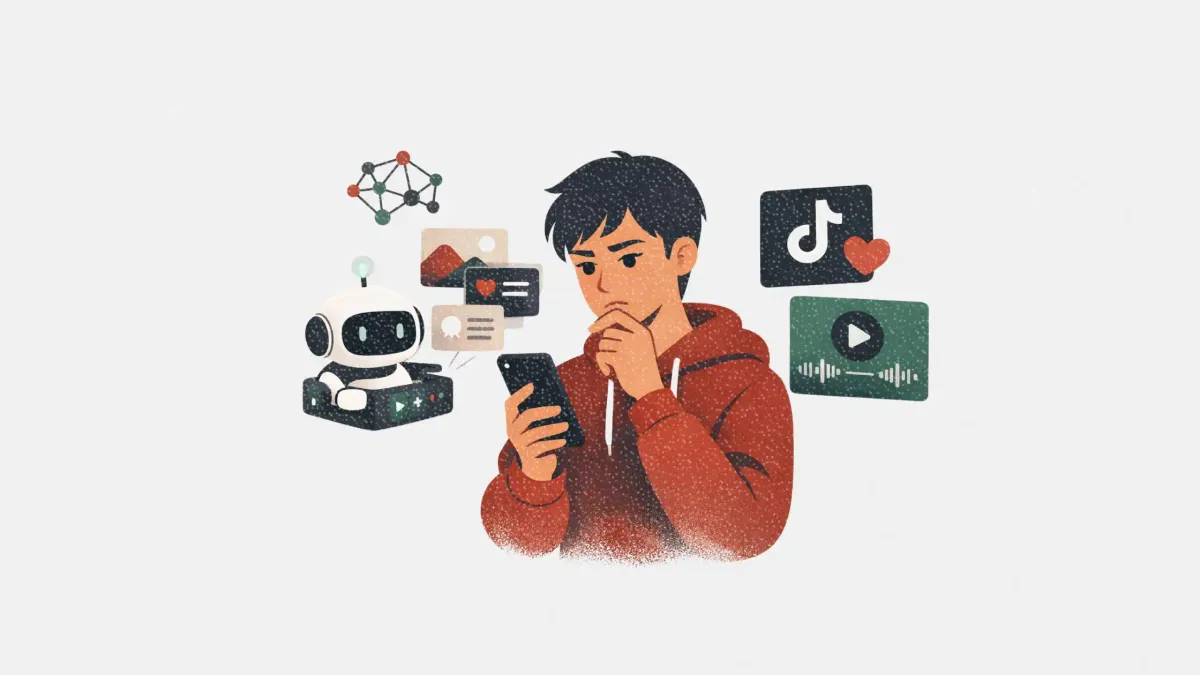
Micro-communities and private spaces
Gen Z is gradually moving away from public feeds toward smaller, more intimate digital spaces like Discord servers, group chats, and niche subreddits. This shifts marketing from broadcast to participation, where brands need to earn access rather than assume attention.
Patrecia Meliana
Anti-influencer movement
There is growing skepticism toward polished influencer content and obvious sponsorships. In its place, niche creators and subject-matter experts are gaining traction because they feel more credible and less scripted.
Search behavior shifting to TikTok and AI
For discovery, Gen Z increasingly turns to TikTok or AI tools instead of traditional search engines. This means content needs to be optimized not just for Google, but for platform-native discovery and conversational queries.
Common mistakes brands make with Gen Z language
Even well-intentioned brands often misread how Gen Z communicates. These common pitfalls usually come from trying to replicate surface-level language without understanding the underlying behavior.
- Trying too hard to sound “young”
When brands force slang or mimic Gen Z tone too aggressively, it often comes across as inauthentic. The result is not relatability but discomfort, especially among audiences who are highly attuned to tone.
- Using slang incorrectly or too late
Gen Z language evolves quickly. By the time a term reaches mainstream marketing, it is often already outdated. Misusing it signals that a brand is out of sync rather than culturally aware.
- Ignoring platform context
Humor, pacing, and format vary significantly across platforms. What works on TikTok, especially chaotic or ironic humor, may fall flat on Instagram or LinkedIn. Context is as important as content.
- Overproduced content
Highly polished creative can feel disconnected from how Gen Z actually creates and consumes content. Lo-fi, spontaneous formats often outperform because they feel native and real.
How to actually use this glossary in your strategy
A glossary is only useful if it translates into action. Here’s how marketing teams can apply these terms in practical, day-to-day workflows.
1. Train internal teams
Use this glossary as a shared reference point across Social Media Managers, Content Leads, and PR teams. A common understanding of language helps ensure consistency across campaigns and channels.
2. Align tone of voice
Instead of copying slang, use these terms to understand how Gen Z communicates. This helps shape a tone that feels natural without being forced or performative.
3. Improve campaign ideation
Many of these concepts, from meme marketing to niche targeting, can serve as creative prompts. They help teams think in terms of cultural relevance, not just messaging.
4. Collaborate with creators
Speaking the same language as creators improves briefs, speeds up alignment, and leads to more authentic output. It also signals respect for their craft and audience.
Understanding Gen Z’s language isn’t about sounding cool—it’s about decoding behavior. From community dynamics to trend adoption, every slang word or content format reveals how this generation engages.
Bookmark this glossary. Use it to train teams, refine your tone, or gut-check your next campaign pitch. Gen Z doesn’t follow scripts—they write new ones.