Connect by Live Nation’s latest Love Song 2026 study offers a sharp look at how Gen Z is navigating culture in an increasingly fragmented digital world.
The headline insight is clear: this generation is pulling back from passive consumption and leaning into experiences that feel real, shared, and emotionally meaningful.
This article explores what the findings mean for marketers and PR professionals trying to reach Gen Z in 2026. From the rise of live music as a social hub to the growing importance of fandom and physical touchpoints, the study signals a shift toward experience-first engagement that brands can no longer ignore.
Short on time?
Here’s a table of contents for quick access:
- What Love Song 2026 reveals about Gen Z attention and connection
- Why live music is becoming Gen Z’s social infrastructure
- The rise of always-on fandom and experiential journeys
- What marketers should know about engaging Gen Z in 2026
 Patrecia Meliana
What Love Song 2026 reveals about Gen Z attention and connection
Connect by Live Nation surveyed 5,692 Australians, including 1,411 Gen Z respondents, making this its largest Love Song study to date. The findings paint a picture of a generation that is highly selective with attention and increasingly driven by meaningful, real-world engagement.
A striking 84% of Gen Z say they are more selective about where they focus their attention. Instead of endless scrolling, they are turning to curated environments such as playlists, creators, and live events to make sense of culture.
At the same time, 86% say they actively seek experiences that make them feel part of something bigger than themselves.
Kristy Rosser, Senior Vice President Marketing Solutions and Client Services at Live Nation Australia and New Zealand, frames fandom as central to this shift. Gen Z is not just consuming culture. They are actively participating in it and using it to shape identity.
Patrecia Meliana
Why live music is becoming Gen Z’s social infrastructure
Live music has emerged as a key social layer for Gen Z. According to the study, 92% believe meeting new people at gigs is “cool,” positioning concerts as more than entertainment. They are now social ecosystems.
This shift reflects a broader change in how younger audiences build relationships and communities. In a world dominated by digital interaction, live events offer a rare space for authentic, shared experiences.
For brands, this changes the role of sponsorship and activation. It is no longer about logo placement or one-off visibility. Instead, the opportunity lies in embedding within these environments in ways that enhance connection, whether through curated experiences or community-driven initiatives.
Patrecia Meliana
The rise of always-on fandom and experiential journeys
One of the most important takeaways from Love Song 2026 is that engagement does not start or end at the event itself. It is continuous.
Nearly all Gen Z respondents, 96%, say that pre and post-event moments are just as important as the event. This creates a multi-touchpoint journey that includes artist-themed parties, fan meet-ups, and exclusive behind-the-scenes access.
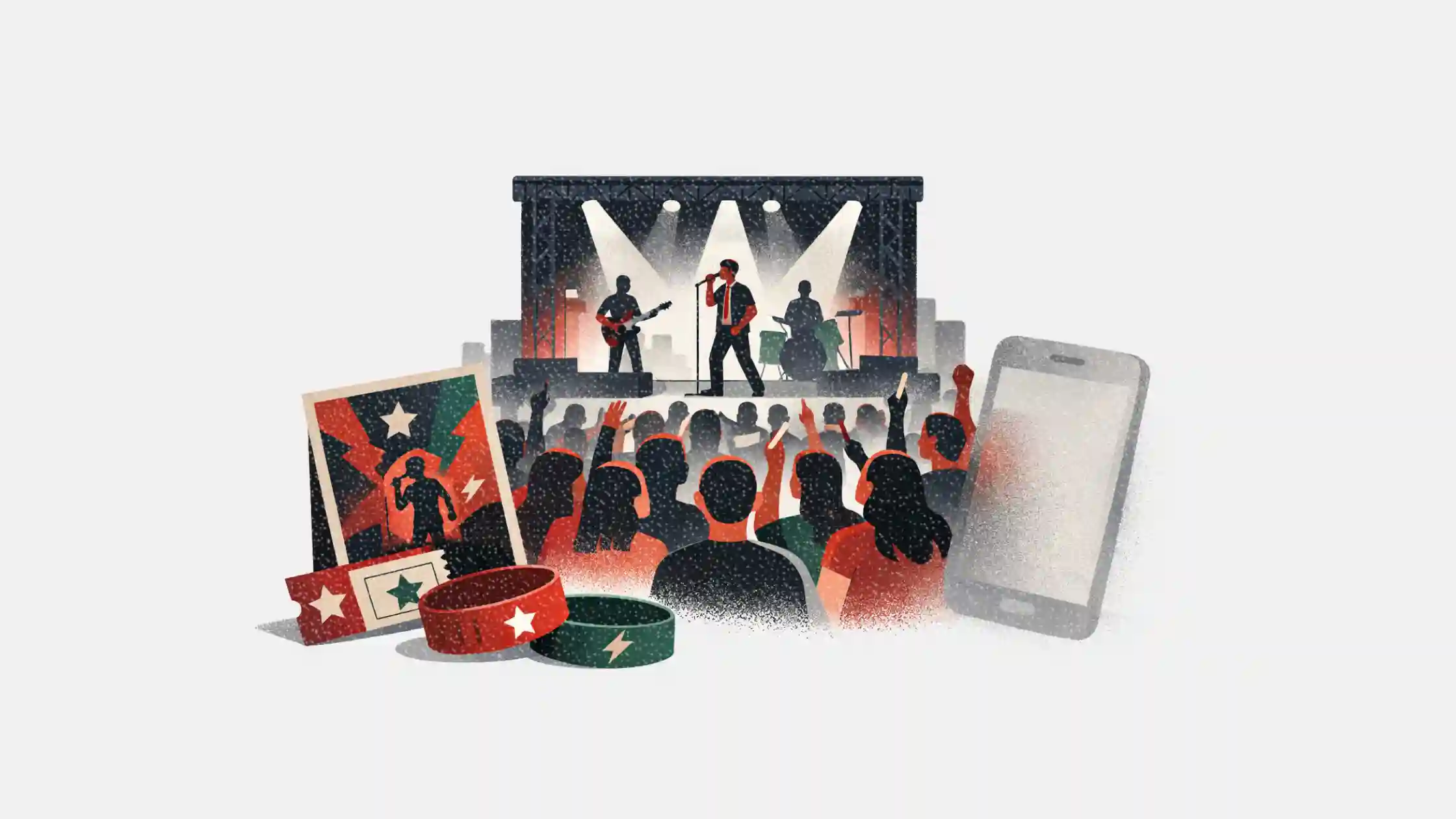
Physical elements are also making a strong comeback. Merchandise, posters, autographs, ticket stubs, and wristbands are increasingly valued as tangible extensions of the experience. Around 87% of Gen Z collect these items, often preserving them in scrapbooks to relive and share memories.
Fashion also plays a central role, with 86% saying that dressing in alignment with an artist is part of the experience. This reinforces the idea that fandom is participatory and expressive, not passive.
Patrecia Meliana
What marketers should know about engaging Gen Z in 2026
For marketers, the implications are practical and immediate:
1. Design for participation, not just exposure
Campaigns need to invite interaction. Think co-created moments, fan-driven content, and experiences that allow audiences to shape the narrative.
2. Build across the full journey
Focus on pre-event anticipation and post-event engagement, not just the main activation. Loyalty is built across the lifecycle, not in a single moment.
3. Invest in physical and tangible touchpoints
Digital alone is not enough. Merchandise, collectibles, and physical artifacts are becoming key memory anchors and brand touchpoints.
4. Leverage curated environments
Gen Z relies on trusted curators to navigate culture. Partnering with creators, communities, and niche platforms can drive more meaningful engagement than broad campaigns.
Patrecia Meliana
5. Tap into identity and self-expression
Fashion, fandom, and personalization are central. Brands that enable self-expression will resonate more than those that simply broadcast messages.
Patrecia Meliana
Love Song 2026 makes one thing clear: Gen Z is not disengaged. They are just more intentional.
They are choosing depth over volume, real-world connection over passive consumption, and identity-driven participation over generic experiences. For marketers, this demands a shift from campaign thinking to ecosystem thinking.
Brands that can authentically show up across the full fan journey, from anticipation to memory-making, will be better positioned to build lasting relevance in 2026 and beyond.