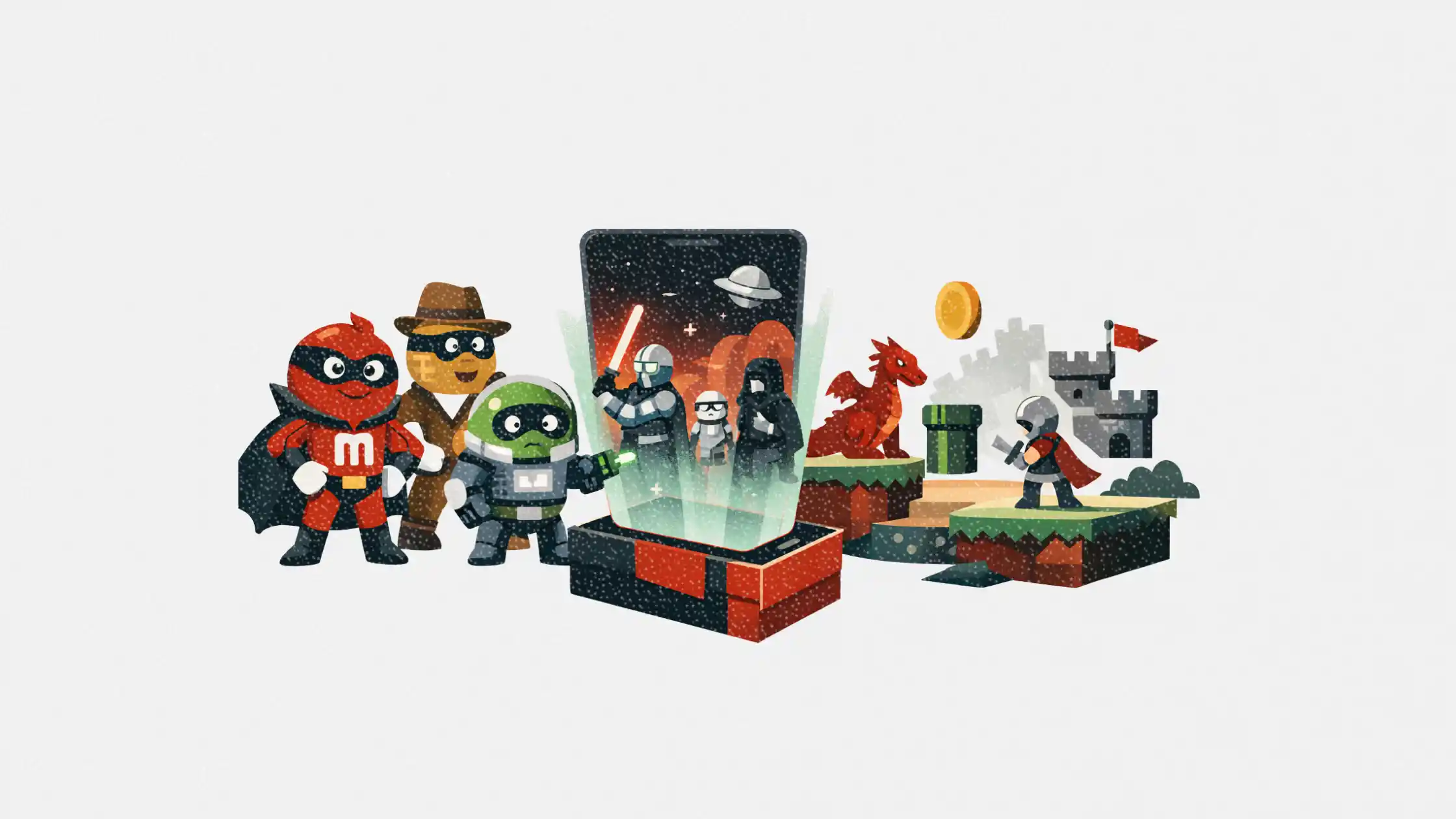
IP collaborations are no longer just co-branded merchandise or logo swaps. The strongest campaigns today treat intellectual property as a platform for storytelling, product design, and even behavior change.
From gaming integrations to physical collectibles and immersive experiences, these examples show how brands are rethinking what it means to “collaborate” in a content-driven economy.
This article explores 12 IP brand campaigns that go beyond surface-level partnerships.
Short on time?
Here’s a table of contents for quick access:
- What defines a modern IP brand campaign
- 12 IP brand campaigns that push beyond traditional collaborations
- What marketers should learn from these IP collaborations
 Patrecia Meliana
What defines a modern IP brand campaign
IP collaborations have evolved from simple licensing deals into multi-layered marketing strategies. The shift is subtle but important. It is no longer about borrowing attention from a popular franchise. It is about integrating into how audiences experience that IP.
The most effective campaigns today tend to follow three patterns:
- They embed the brand inside the IP’s world, not alongside it
- They create participation, not just visibility
- They translate digital or fictional elements into real-world interactions
This shift reflects a broader change in consumer behavior. Audiences expect to engage with brands the same way they engage with content, through interaction, personalization, and immersion.
12 IP brand campaigns that push beyond traditional collaborations
Here is a breakdown of 12 campaigns that highlight different ways brands are using IP more strategically.
1. Mars x Marvel (M&M’s collaboration)
Mars reimagined M&M’s characters as Marvel superheroes, merging two character-driven universes into one cohesive narrative.
Patrecia Meliana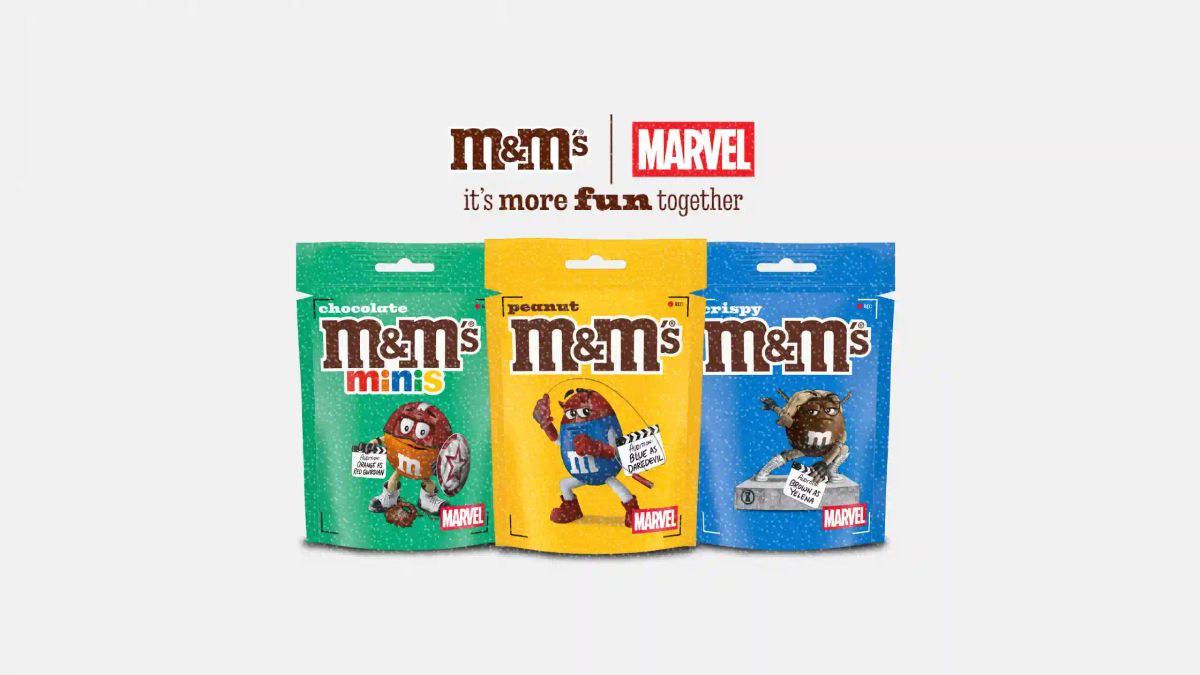
Why it worked: It integrated brand mascots directly into an existing IP ecosystem.
2. Pokémon as Japan’s sleep ambassadors
Pokémon extended its IP into lifestyle by encouraging better sleep habits through local ambassadors.
Patrecia Meliana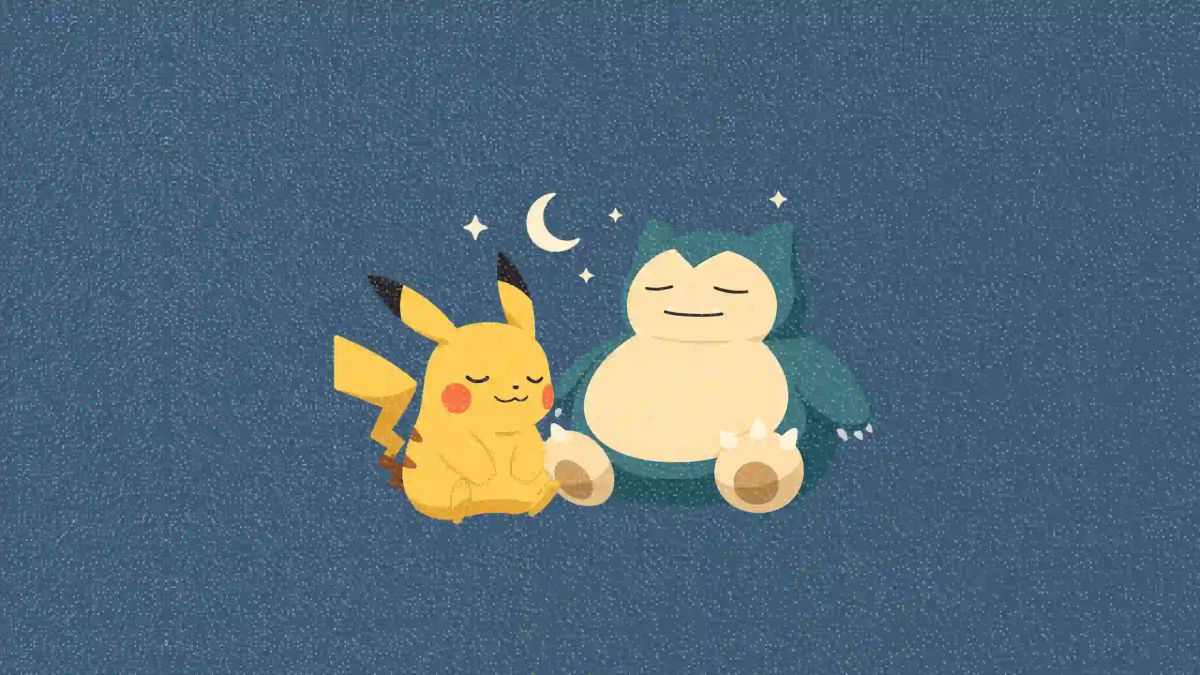
Why it worked: It turned entertainment IP into a behavioral product.
3. LEGO x Peanuts (Snoopy doghouse set)
LEGO translated the Peanuts universe into a physical building experience.
Patrecia Meliana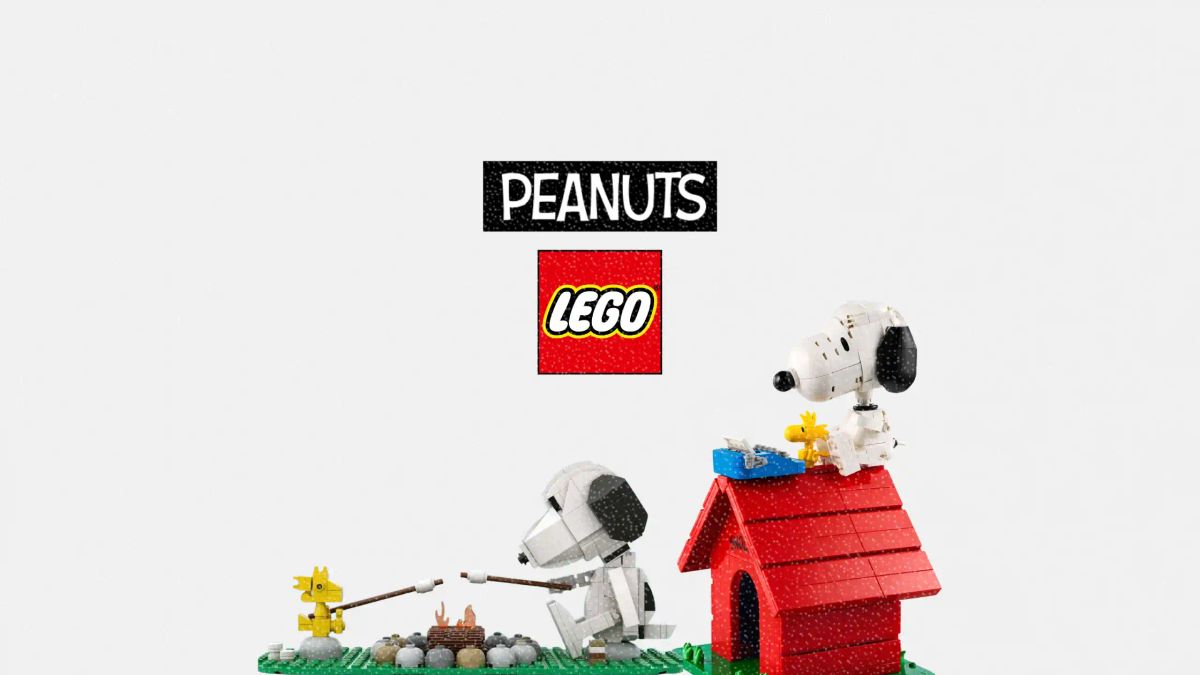
Why it worked: It allowed fans to interact with nostalgic IP in a tangible way.
4. Fortnite x Marvel (Nexus War event)
Marvel characters like Thor and Iron Man became part of Fortnite’s gameplay and evolving storyline.
Why it worked: Users participated in the IP rather than just consuming it.
5. Netflix x Stranger Things cassette campaign
Netflix created cassette tapes inspired by the show’s 1980s setting.
Patrecia Meliana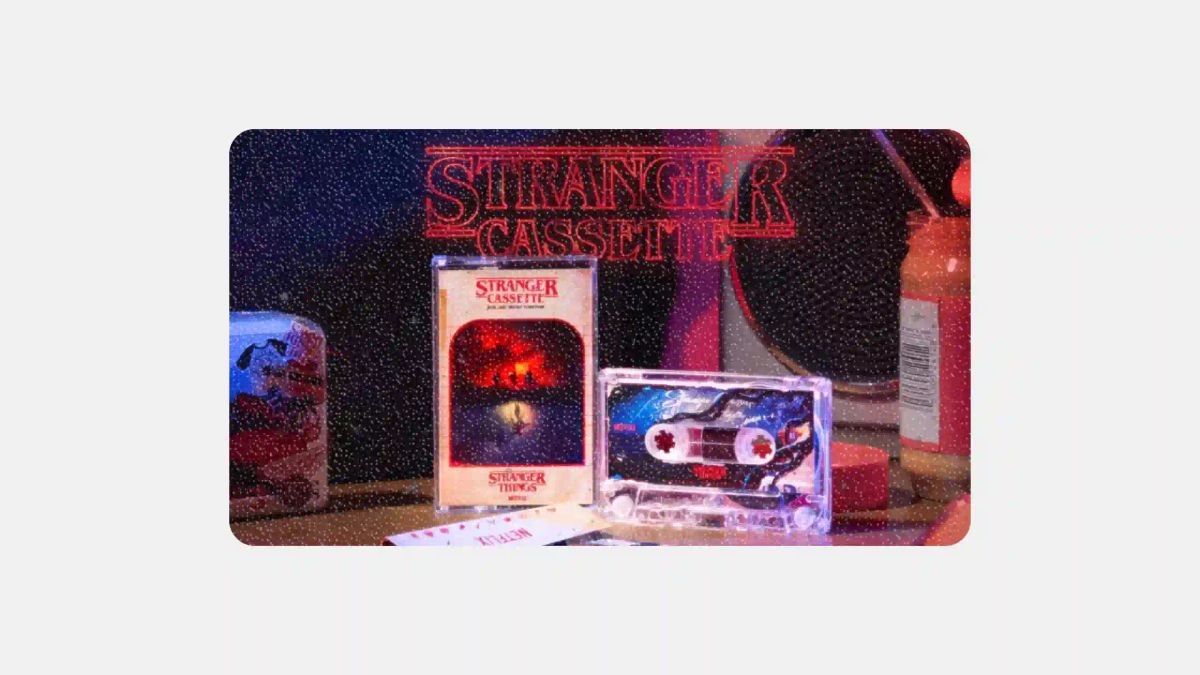
Why it worked: It turned fictional elements into real-world collectibles.
6. Gucci x Doraemon
A luxury fashion crossover with a globally recognized Japanese character.
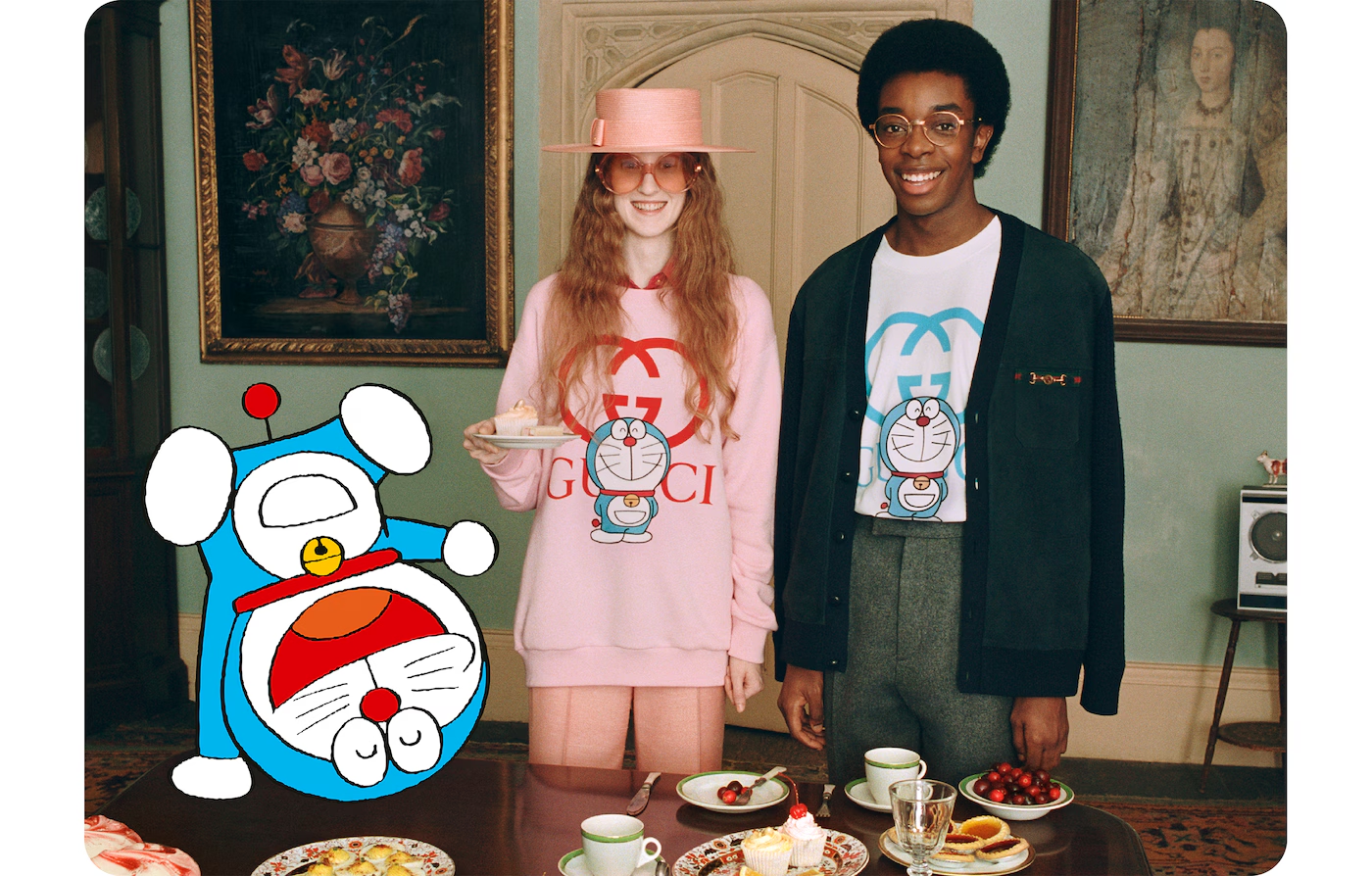
Why it worked: It blended high fashion with nostalgic pop culture.
7. Uniqlo x KAWS
Uniqlo brought KAWS’ signature characters into accessible apparel.
Patrecia Meliana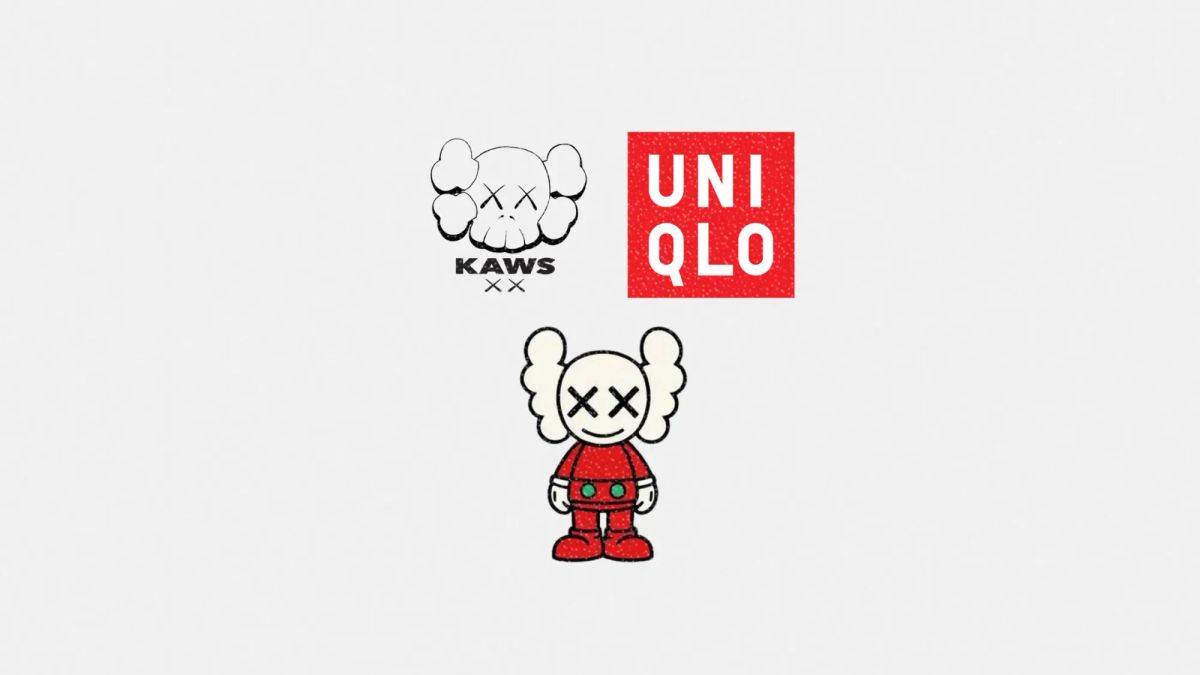
Why it worked: It democratized high-value art IP for mass audiences.
8. Pokémon x McDonald’s (Happy Meal campaign)
A recurring collaboration featuring collectible cards and toys.
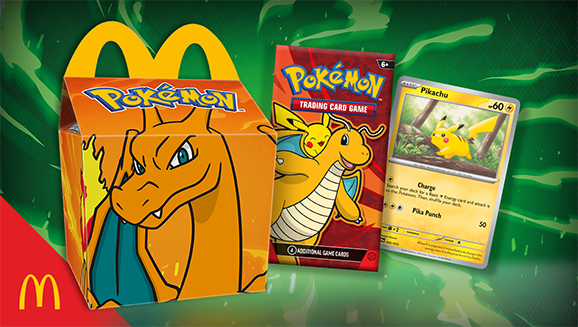
Why it worked: It leveraged nostalgia and collectibility to drive repeat engagement.
9. Balenciaga x The Simpsons
Balenciaga created a full Simpsons episode featuring its collection.
Why it worked: It embedded the brand directly into the IP’s storytelling format.
10. Crocs x Shrek
Crocs released footwear inspired by Shrek’s design and personality.
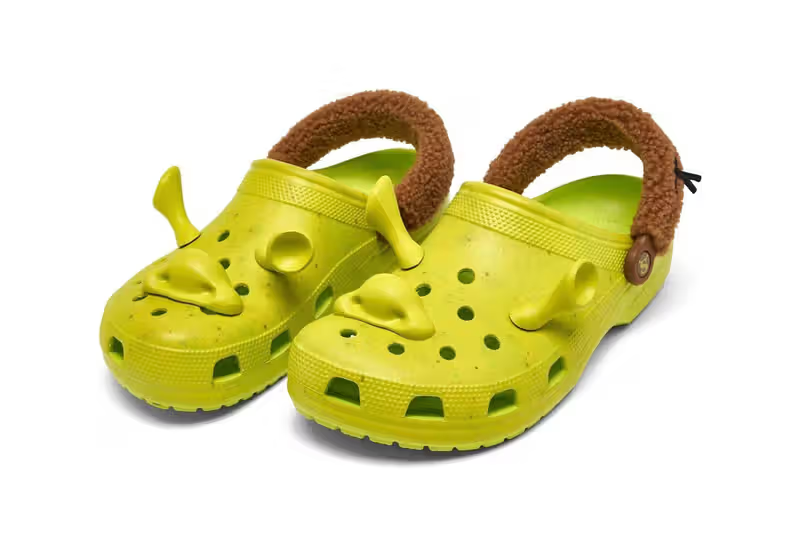
Why it worked: It fully committed to the IP aesthetic instead of subtle branding.
11. Barbie x Airbnb (Malibu DreamHouse)
Airbnb recreated Barbie’s DreamHouse as a real, bookable experience.
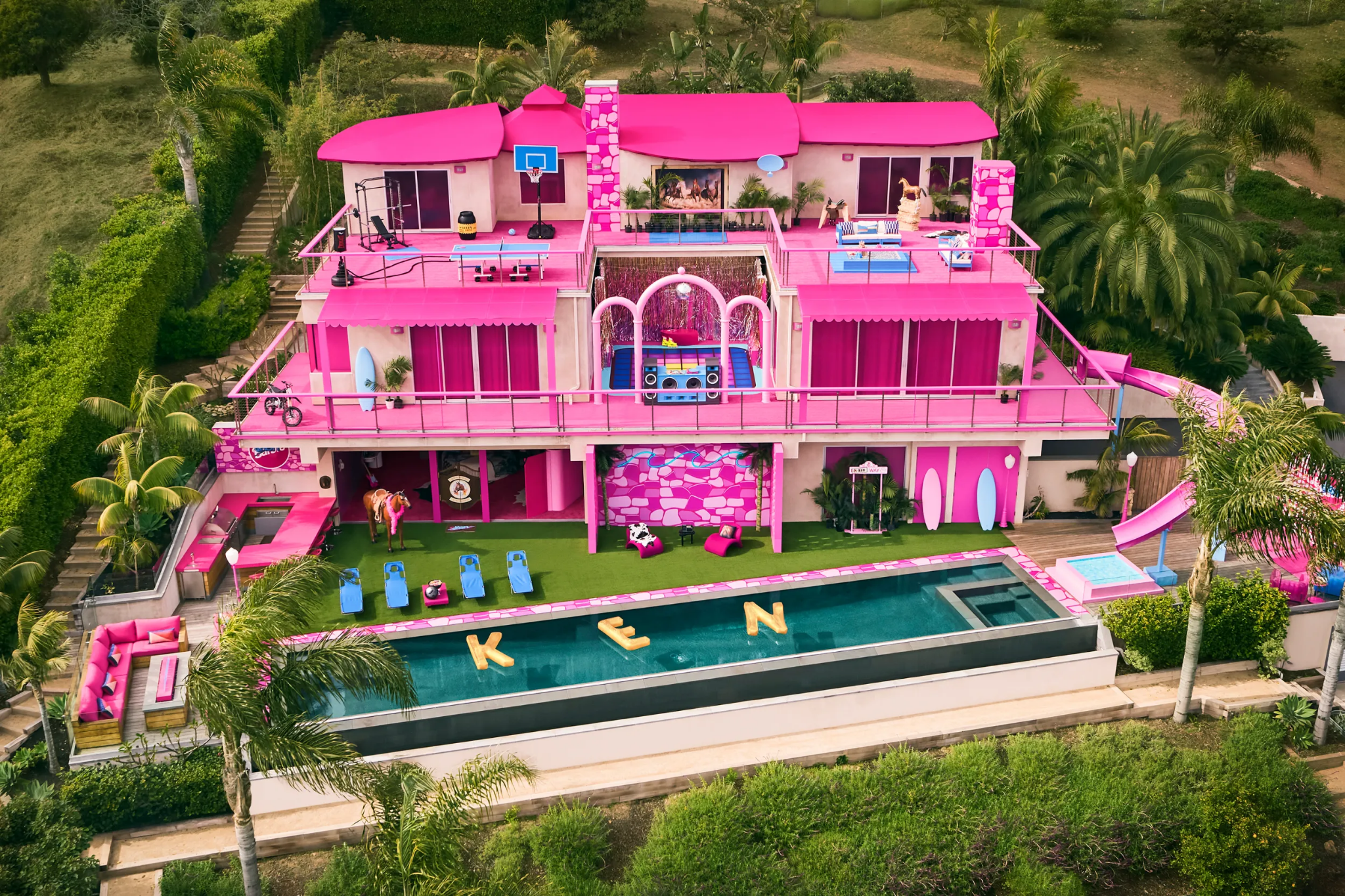
Why it worked: It transformed a fictional world into a physical, immersive stay.
12. Coca-Cola x Star Wars (AR campaign)
Coca-Cola used augmented reality to bring Star Wars characters to life via packaging.
Patrecia Meliana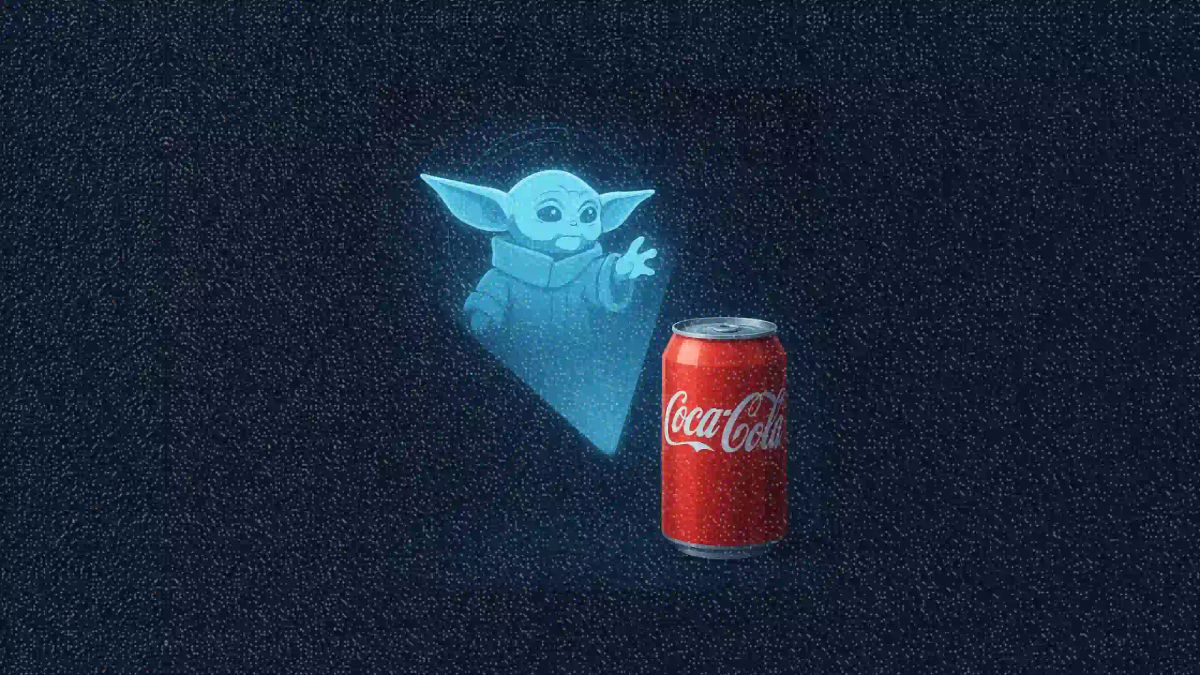
Why it worked: It extended IP into interactive, tech-driven experiences.
What marketers should learn from these IP collaborations
These campaigns point to a broader playbook for IP-driven marketing.
1. Move from exposure to participation
Campaigns like Fortnite x Marvel show that audiences want to engage with IP, not just see it. Interactive formats such as gaming, AR, and live experiences are becoming more valuable than static placements.
2. Translate IP into product experiences
LEGO, Crocs, and McDonald’s demonstrate how physical products can become extensions of an IP universe. This is especially effective for driving repeat purchases and collectibility.
Patrecia Meliana
3. Use IP to influence behavior, not just perception
Pokémon Sleep stands out because it connects IP with habit formation. This opens up new opportunities for brands in wellness, education, and productivity.
4. Commit fully to the IP aesthetic
Half-measures rarely work. Campaigns like Crocs x Shrek succeed because they lean fully into the character identity rather than diluting it for brand safety.
5. Blend digital and physical touchpoints
From AR packaging to real-world stays, the most compelling campaigns bridge online and offline experiences. This creates deeper engagement and longer campaign lifecycles.
IP collaborations are becoming more sophisticated and more demanding. It is no longer enough to attach a logo to a popular franchise. Brands need to think like content creators, product designers, and experience builders.
The campaigns highlighted here show that the real value of IP lies in how it is activated. For marketers, the opportunity is clear: treat IP not as borrowed attention, but as a system you can build into, extend, and make your own.