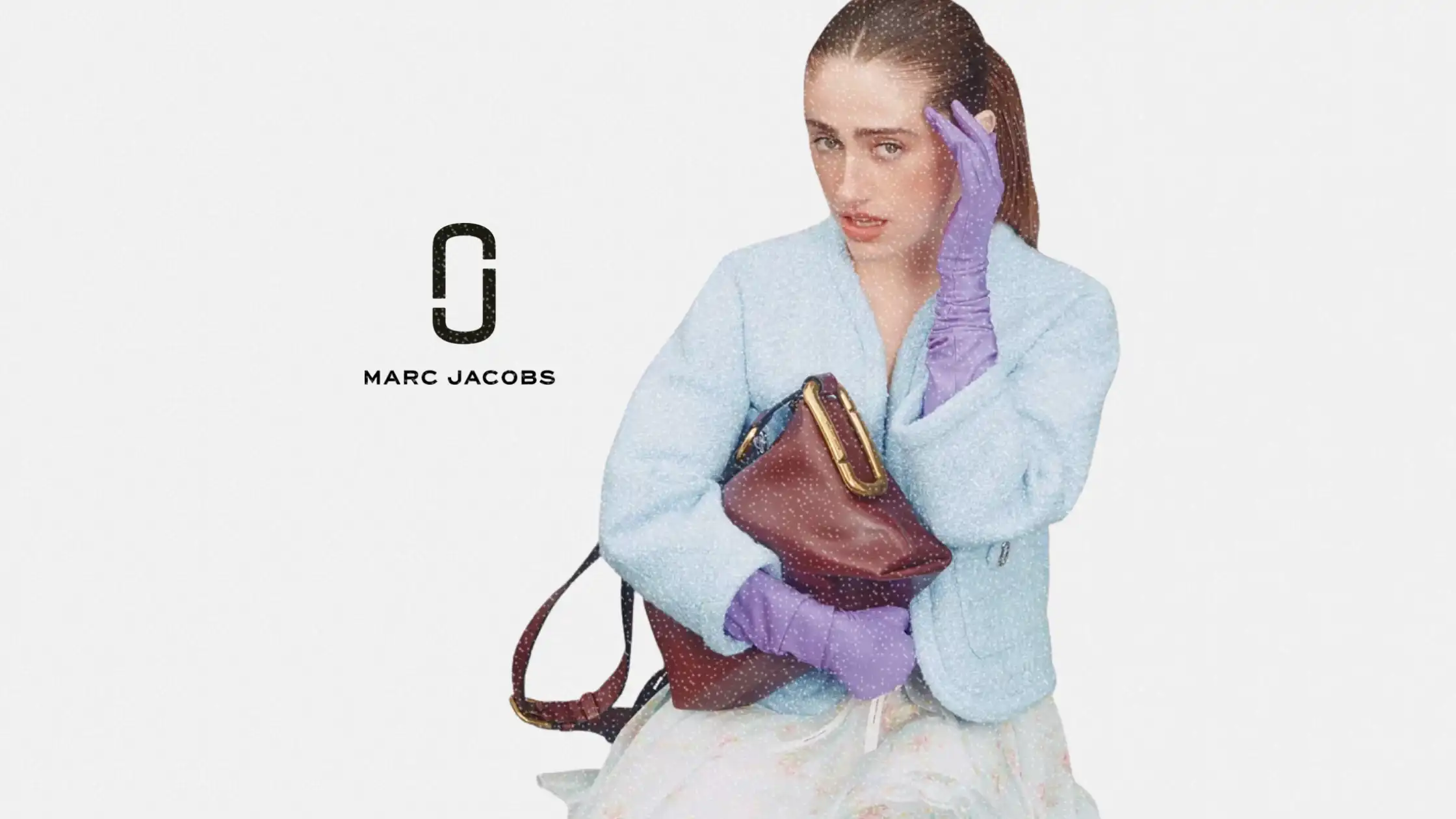
Marc Jacobs is experimenting with a format that is quickly becoming a favorite among social-first marketers: microdramas. Instead of a traditional campaign drop, the brand is rolling out a scripted, episodic-style video featuring Actor Rachel Sennott, designed to blur the line between entertainment and product storytelling.
This article explores how “The Scene” reflects a broader shift toward serialized branded content, why luxury brands are leaning into narrative-driven formats, and what marketers can learn from the growing microdrama trend.
Table of contents
Jump to each section:
- What Marc Jacobs launched with “The Scene”
- Why microdramas are gaining traction in marketing
- How storytelling and product placement are blending
- What marketers should know about microdrama strategy
 Patrecia Meliana
What Marc Jacobs launched with “The Scene”
Marc Jacobs has introduced “The Scene,” a microdrama-style social video starring and written by Actor Rachel Sennott. The storyline follows Sennott racing across Manhattan trying to secure an invite to the Met Gala, weaving in humor, celebrity cameos, and cultural references.
The campaign prominently features the Scene Bag from the brand’s pre-fall 2026 collection. The product is integrated directly into the narrative, including point-of-view shots from inside the bag, making it a constant presence rather than a secondary prop.
The video includes appearances from Francesca Scorsese, Morgan Maher, True Whitaker, and Sandra Bernhard, while also referencing popular social formats like “SubwayTakes.” According to the brand, this is the first installment in an ongoing microdrama series, signaling a longer-term content play rather than a one-off campaign.
Patrecia Meliana
Why microdramas are gaining traction in marketing
Microdramas are short, serialized video stories designed for mobile consumption. They often lean into exaggerated, soap-like narratives that keep viewers engaged across episodes.
For marketers, the appeal is straightforward. These formats combine the retention mechanics of entertainment with the distribution power of social platforms. Instead of interrupting users with ads, brands are building content that audiences choose to follow.
Marc Jacobs is not alone in testing this format. Brands like Native and Maybelline have already launched multi-part microdrama campaigns, signaling a broader shift toward episodic branded content.
This resurgence also reflects a wider return to branded entertainment, where campaigns are designed less like ads and more like shows. The difference now is that distribution is native to platforms like TikTok and Instagram, not traditional media.
Atikah Amalia
How storytelling and product placement are blending
“The Scene” leans heavily into narrative-first storytelling, but the product remains central. The Scene Bag is not just featured. It is embedded into the story mechanics.
This approach reflects a more advanced version of product placement. Instead of inserting products into content, brands are building stories around them. The result is a more seamless integration that feels less transactional and more experiential.
The campaign also plays with cultural context. The Met Gala backdrop, the Manhattan setting, and the inclusion of recognizable personalities all contribute to a sense of relevance and immediacy.
At the same time, the storyline ends with a twist. Sennott misses the invitation entirely, which adds a layer of relatability and humor while subtly reinforcing the campaign’s theme around visibility and social status.
What marketers should know about microdrama strategy
Microdramas are not just a creative experiment. They represent a shift in how brands think about content, attention, and storytelling.
Here are a few takeaways for marketers:
1. Think in episodes, not assets
Campaigns are moving toward serialized formats. Instead of a single hero video, brands should plan for ongoing narratives that build over time.
2. Design for platform behavior
Microdramas work because they match how people consume content on mobile. Short, engaging, and easy to follow in bursts.
3. Integrate products into the story, not around it
The most effective executions make the product part of the narrative logic, not just a visual element.
4. Leverage cultural moments
Tying content to events like the Met Gala creates built-in relevance and increases shareability.
5. Balance entertainment with brand message
While storytelling is key, the brand still needs to remain visible and memorable. Marc Jacobs achieves this by keeping the Scene Bag central throughout.
Marc Jacobs’ “The Scene” highlights how luxury brands are adapting to a content landscape dominated by social platforms and short-form video. By investing in microdrama storytelling, the brand is not just promoting a product. It is building an entertainment format that can evolve over time.
For marketers, the takeaway is clear. Attention is increasingly earned through narrative, not interruption. Brands that can create content people want to follow, not just watch, will have a stronger foothold in the next phase of digital marketing.