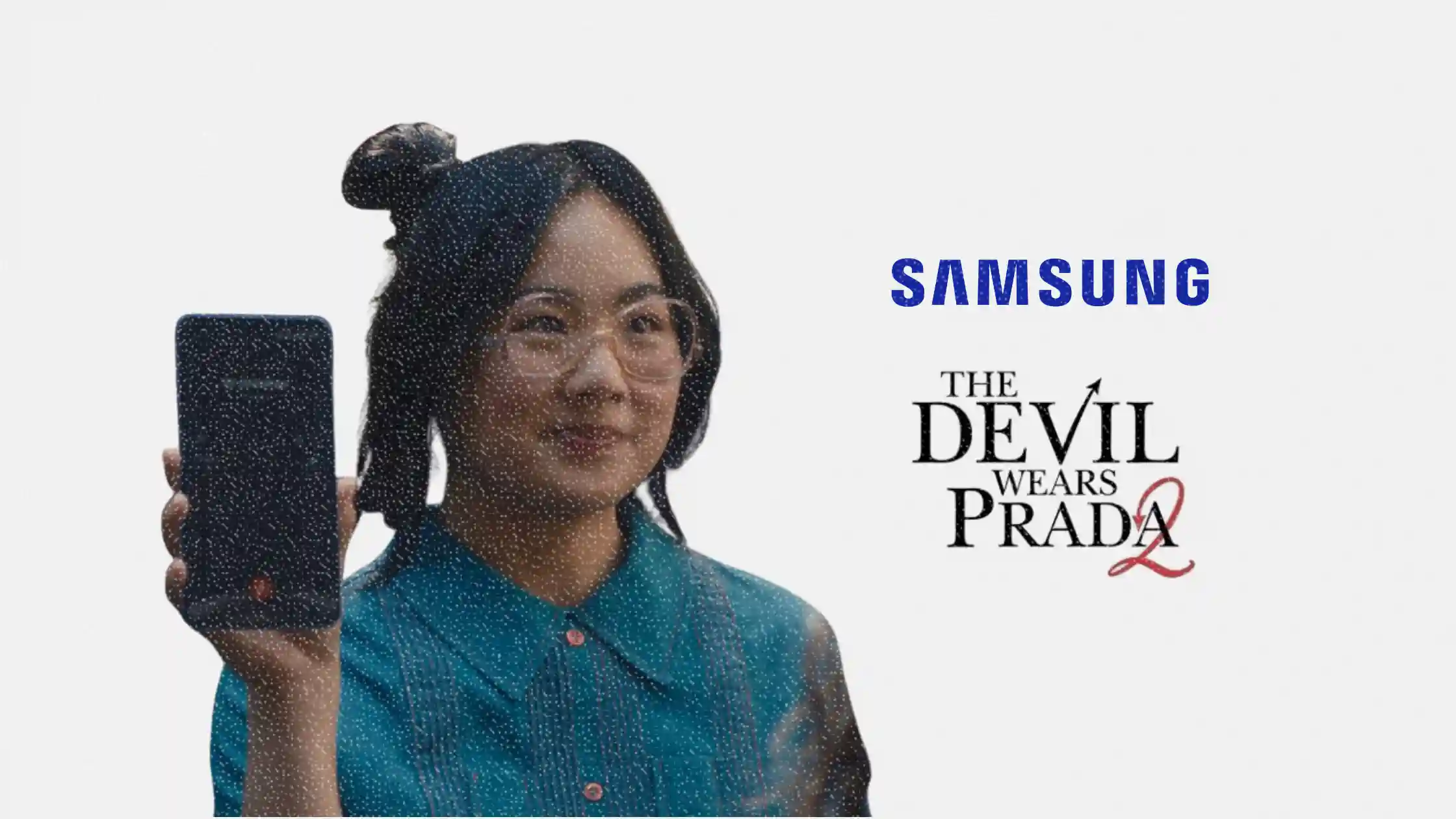
Samsung is blending entertainment IP, influencer culture, and AI product storytelling into a single global campaign tied to The Devil Wears Prada 2. At the center is the Galaxy S26 Ultra and its “Circle to Search” feature, positioned as a real-time problem-solving tool in high-pressure fashion scenarios.
This is not just another co-marketing stunt. It is a clear signal of how brands are evolving product marketing into cultural participation. For B2B marketers and PR teams, the campaign offers a practical blueprint for integrating AI features into narrative-driven, social-first activations.
Table of contents
Jump to each section:
- What happened in Samsung’s “The Devil Wears Prada 2” campaign
- Why Samsung is merging fashion film and AI product storytelling
- What marketers should know about culture-led AI campaigns
 Patrecia Meliana
What happened in Samsung’s “The Devil Wears Prada 2” campaign
Samsung launched a global collaboration with 20th Century Studios to promote the upcoming release of The Devil Wears Prada 2, using the Galaxy S26 Ultra as the hero product.
The campaign includes:
- A custom content spot featuring actress Helen J. Shen in character, using “Circle to Search” to solve a last-minute fashion request
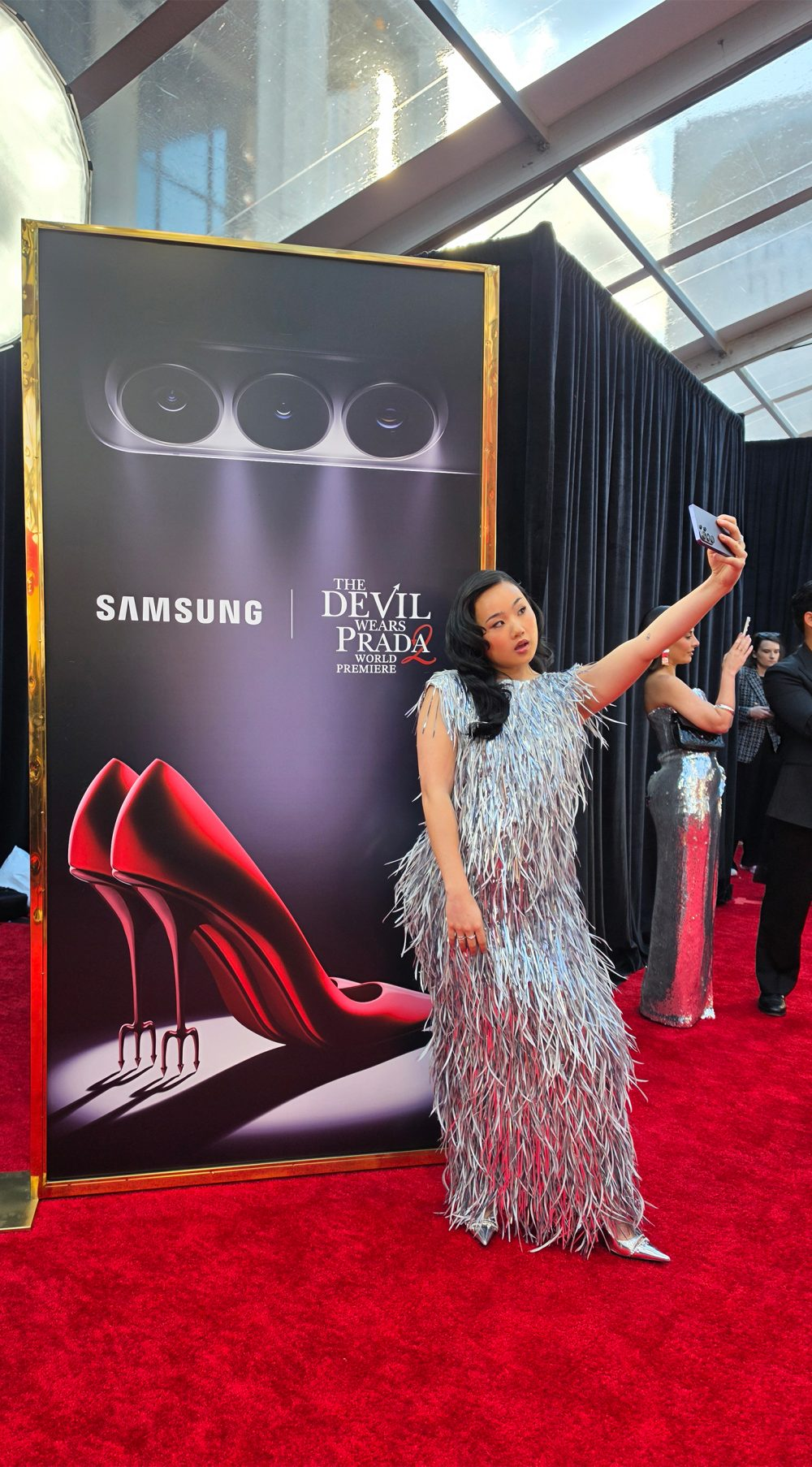
- A red carpet activation dubbed “Runway Cam #withGalaxy,” capturing cinematic, social-ready footage using the device
- Influencer amplification, including creator Haley Kalil sharing the experience with her audience
- Integration with Google’s AI feature to demonstrate real-world utility in high-pressure scenarios
The narrative is simple but effective. Instead of listing features, Samsung shows the product in action within a culturally relevant storyline where speed and precision matter.
Why Samsung is merging fashion film and AI product storytelling
This campaign sits at the intersection of three ongoing shifts:
1. Entertainment IP as a distribution channel
Brands are no longer just sponsoring content. They are embedding themselves into the narrative. Samsung is effectively turning a film universe into a product demo environment.
2. AI features need context to resonate
“Circle to Search” is not new as a capability, but placing it inside a fashion crisis scenario reframes it as a “cheat code” for real life. That framing is what drives memorability.
3. Social-first production is now the default
The “Runway Cam” concept is built for Instagram and short-form video, not traditional ads. The output is designed to be reposted, not just watched.
From the studio side, the goal is similar. Extend storytelling beyond the screen and into everyday cultural touchpoints.
This alignment is what makes the partnership work. Both sides gain distribution and relevance.
What marketers should know about culture-led AI campaigns
This campaign offers several practical takeaways for B2B marketers and PR teams:
1. Product demos need narrative tension
AI features are often abstract. Embedding them into high-stakes scenarios makes them tangible.
- Show the problem first
- Let the product resolve it
- Keep the story grounded in reality
2. Cultural timing matters more than scale
Samsung is tapping into a known franchise with built-in audience attention.
Marketers should:
- Align launches with cultural moments or releases
- Identify IP that matches brand positioning
- Prioritize relevance over reach
3. Influencers are now part of the product story
The inclusion of creators like Haley Kalil is not just amplification. It is validation.
- Influencers act as real-world use cases
- Their content extends campaign lifespan
- They bridge brand messaging and audience trust
Patrecia Meliana
4. AI positioning should feel assistive, not complex
“Circle to Search” is framed as intuitive and immediate.
That positioning is critical:
- Avoid technical explanations
- Focus on outcomes and speed
- Highlight everyday use cases
5. Offline activations must feed digital content
The red carpet activation is not the endpoint. It is the content engine.
- Design events for capture, not just attendance
- Ensure outputs are platform-native
- Think in terms of content loops, not one-off moments
Patrecia Meliana
Samsung’s campaign shows how AI marketing is evolving. It is no longer about explaining what a feature does. It is about demonstrating how it fits into culture, behavior, and everyday decisions.
For marketers, the takeaway is clear. If your product cannot live inside a story, it will struggle to stand out. The brands winning attention are the ones turning features into moments people want to watch, share, and talk about.