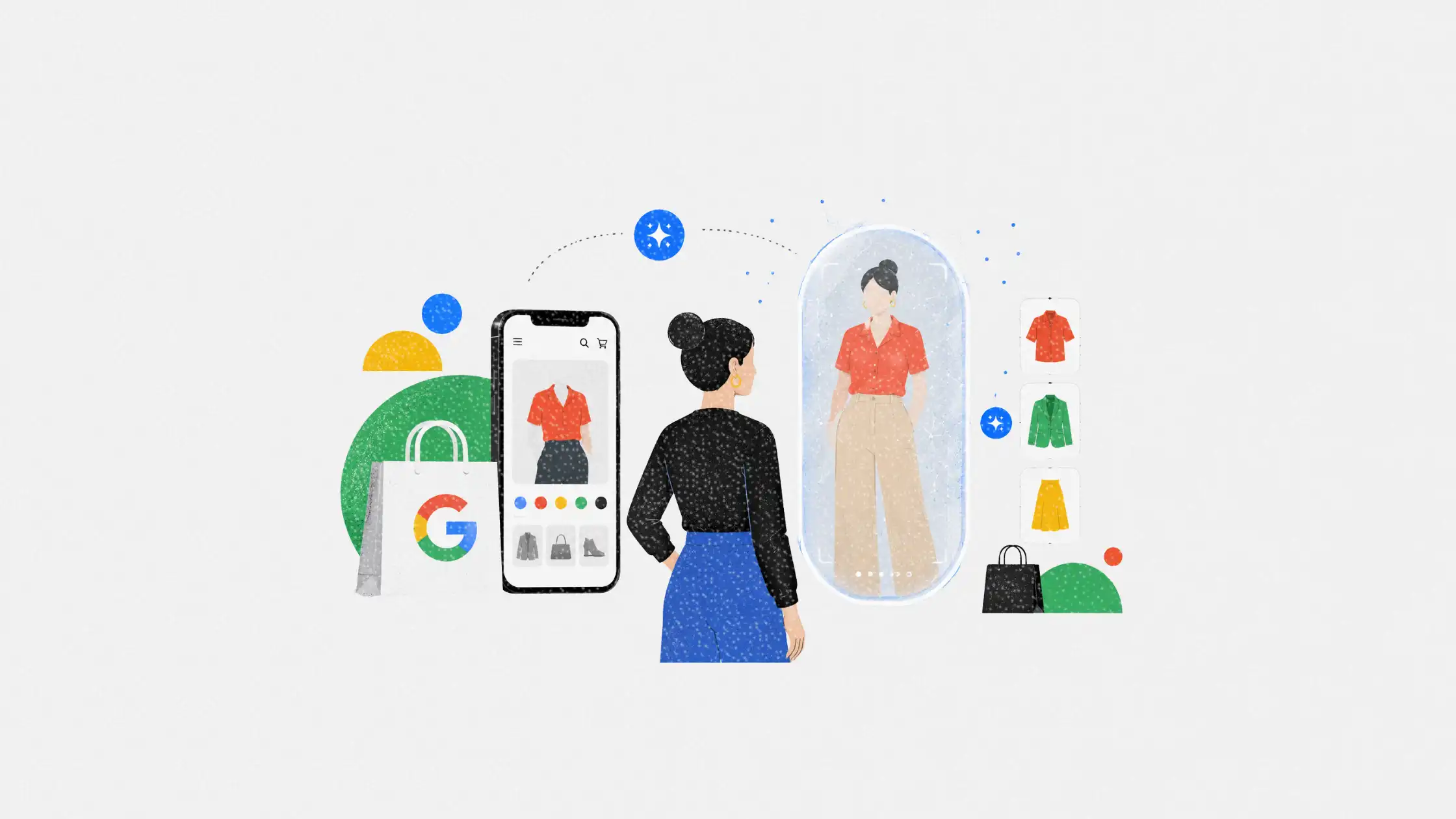
Google is rolling out its AI-powered “Try on” feature in Singapore, adding a virtual try-on button to eligible apparel and shoe listings across Search, Shopping, and Images.
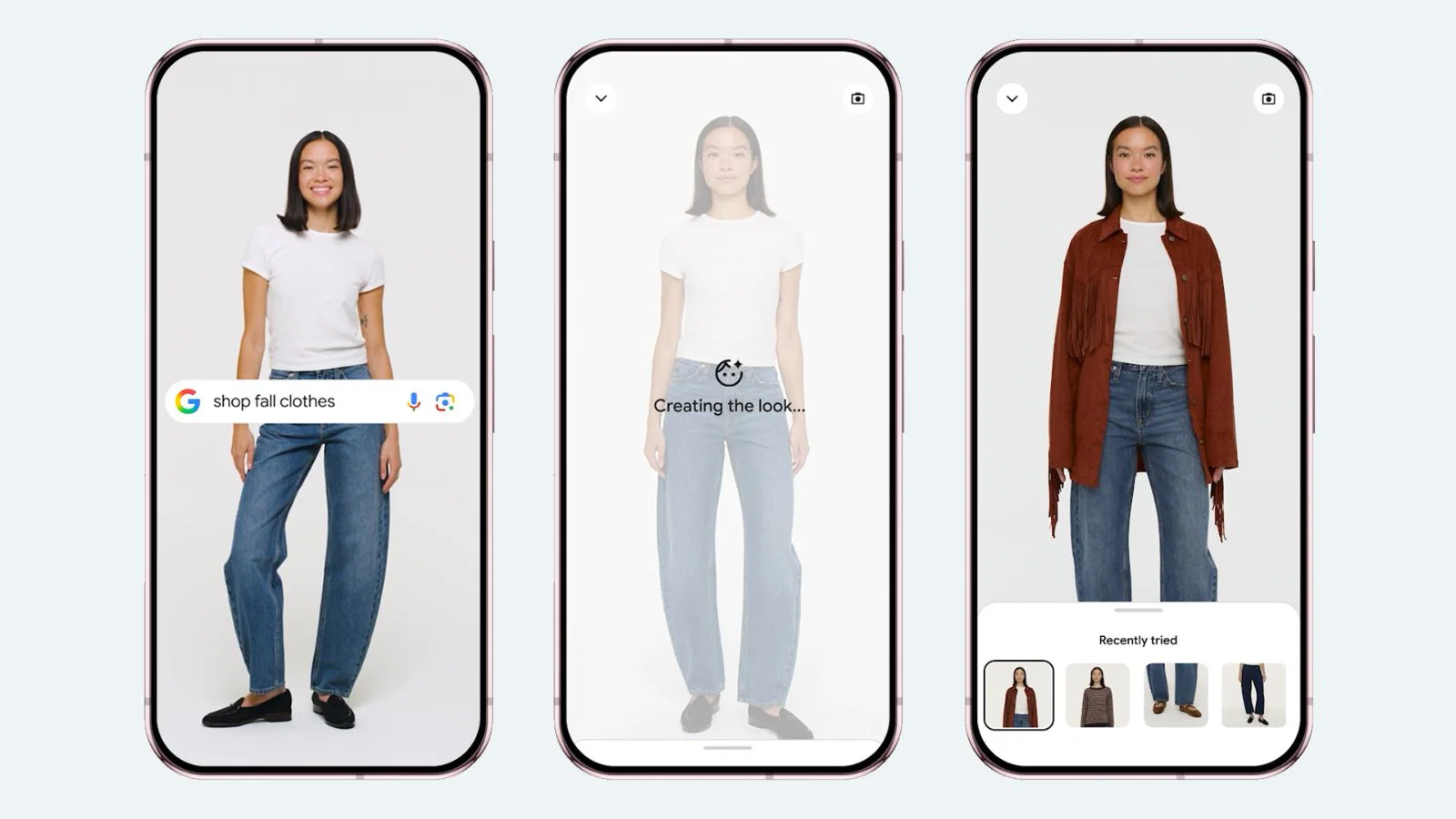
The update signals a continued push to make product discovery more visual and lower-friction, while keeping the transaction on the retailer’s site after a shopper previews a look, saves it, or shares it.
Table of contents
Jump to each section:
- What Google’s “Try on” rollout changes in the shopping journey
- How the feature works across Search, Shopping, and Images
- Implications for retailers and product feed operations
- What it means for ads and product visibility
- Why virtual try-on is becoming table stakes for AI shopping
 Patrecia Meliana
What Google’s “Try on” rollout changes in the shopping journey
The core shift is that the “evaluation” step happens earlier, inside Google’s shopping surface. Instead of clicking through to a product page to imagine fit and silhouette, shoppers can generate a visualization before visiting a retailer.
For marketers, this is less about a new ad unit and more about a new pre-click decision layer. If shoppers can quickly rule items in or out based on the generated preview, it can change which products earn the click even when rankings stay the same.
 Patrecia Meliana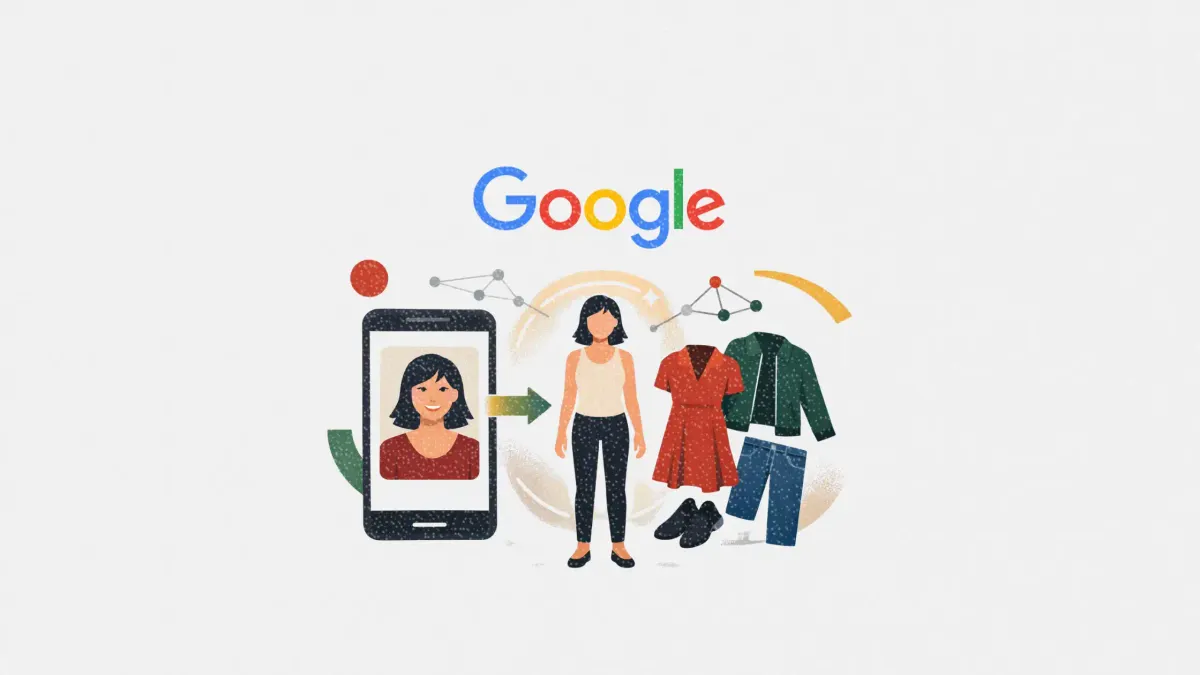
How the feature works across Search, Shopping, and Images
“Try on” is designed to be lightweight from a user perspective: shoppers upload a full-length photo, then Google generates a visualization of how an item may look on their body.
The feature applies to eligible listings across Google’s Shopping graph and supports multiple categories, including tops, bottoms, dresses, and shoes. Users can also save and share looks, then click through to a retailer’s website to complete the purchase, keeping checkout and customer ownership with the merchant.
Implications for retailers and product feed operations
When a shopping platform introduces an on-platform visualization step, feed quality and catalog readiness tend to matter more, not less. Eligibility is tied to product listings, so retailers should assume that incomplete or inconsistent catalog data can reduce how often their inventory surfaces with richer experiences.
Operationally, teams may need tighter coordination between merchandising and performance marketing. If certain categories (for example, dresses or shoes) see higher “try-on” engagement, it can influence which SKUs are prioritized in assortments, creative refresh cycles, and landing page testing, even if the click still lands on the retailer site.
What it means for ads and product visibility
Google’s stated position is that “Try on” is not a paid offering and does not affect advertising pricing, rankings, or product visibility. In other words, it is presented as an experience layer rather than an auction lever.
That said, marketers should still watch for second-order effects in performance reporting. If the preview experience changes shoppers’ willingness to click, conversion rates and click-through rates can move without any direct change to bids, budgets, or rank. The practical impact may show up as shifting product-level efficiency rather than obvious platform policy changes.
Why virtual try-on is becoming table stakes for AI shopping
The rollout fits a broader platform trend: AI-assisted discovery is moving from text recommendations to visual decision support. Virtual try-on aims to bridge a long-standing gap between online shopping and the confidence shoppers get from in-store fitting.
It also sits alongside a parallel direction in AI commerce: reducing steps between discovery and purchase. For example, OpenAI has described “Instant checkout” in ChatGPT as a step toward “agentic commerce,” where the interface can help complete purchases without leaving the chat, while merchants retain control over payments, fulfillment, and customer relationships.
Even when approaches differ, the common theme is compression of the customer journey, with more evaluation and action happening inside the interface where discovery starts.