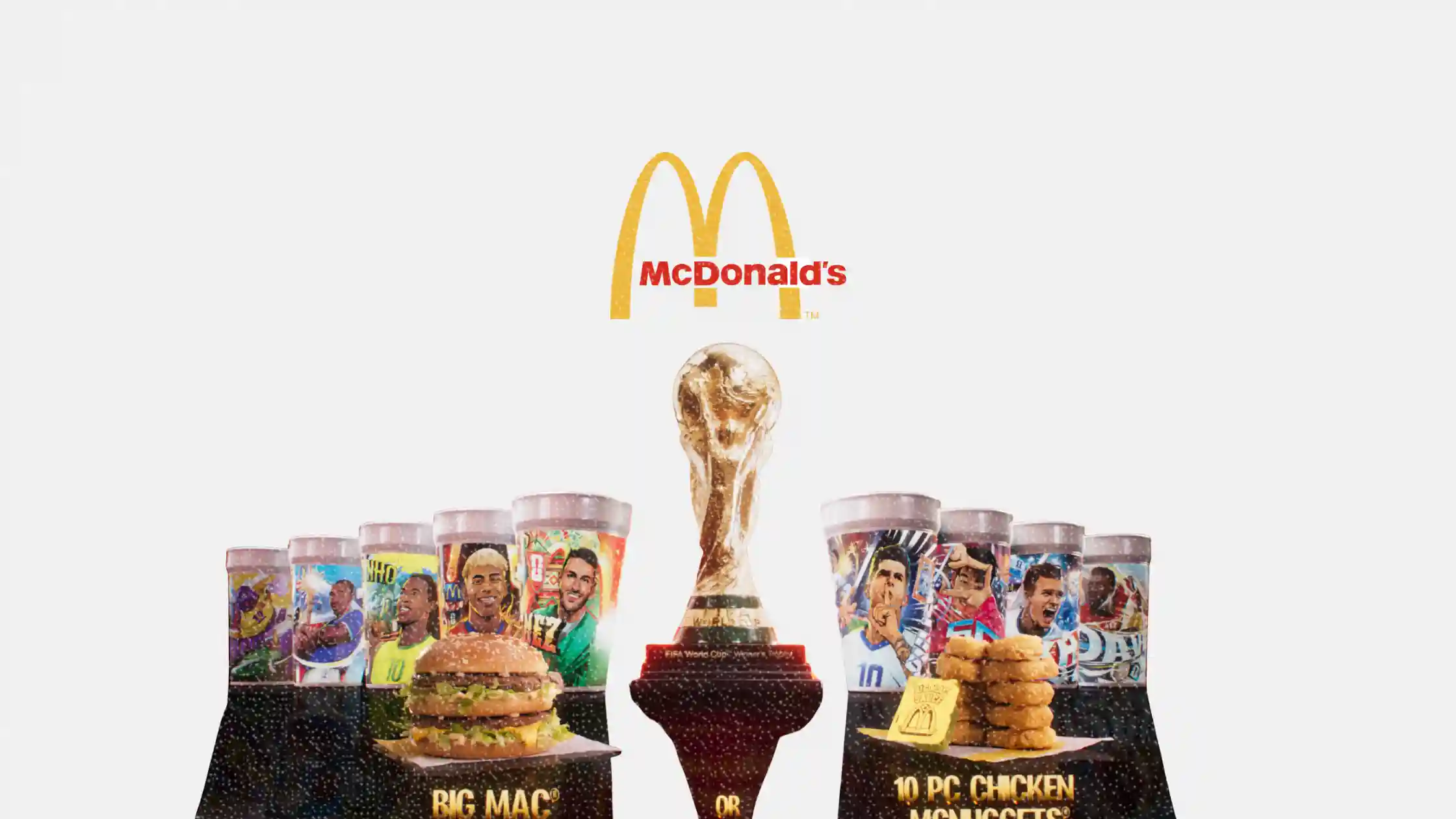
McDonald’s is going all-in on FIFA World Cup 26™, launching a global campaign that combines limited-time meals, collectible merchandise, digital experiences, and community activations across participating markets.
The campaign highlights how major brands are increasingly treating global sporting events as year-long engagement ecosystems rather than short-term sponsorship opportunities.
For marketers, McDonald’s latest FIFA partnership offers a case study in how collectibles, loyalty programs, experiential marketing, and fandom-driven storytelling can work together to create sustained audience engagement before, during, and after the tournament.
Table of contents
Jump to each section:
- How McDonald’s is celebrating FIFA World Cup 26™ worldwide
- Why collectibles and nostalgia are central to the campaign
- What marketers should know about fandom-led marketing
- What this means for sports and brand marketing
How McDonald’s is celebrating FIFA World Cup 26™ worldwide
Starting in June, McDonald’s is launching limited-time FIFA World Cup 26™ meals and Happy Meals across participating markets worldwide.
In the United States, fans can choose between a Big Mac® or 10-piece Chicken McNuggets® meal paired with a limited-edition gold-packaged Big Mac Sauce. Breakfast options are also part of the promotion, including the Sausage McMuffin® with Egg and Sausage Egg Biscuit with Hash Browns.
Each FIFA World Cup 26™ Meal includes one of nine collectible cups featuring football stars Christian Pulisic, David Beckham, Ronaldinho Gaúcho, Thierry Henry, Son Heung-Min, Lamine Yamal, Alphonso Davies, Santiago Gimenez, and McDonald’s mascot Grimace.
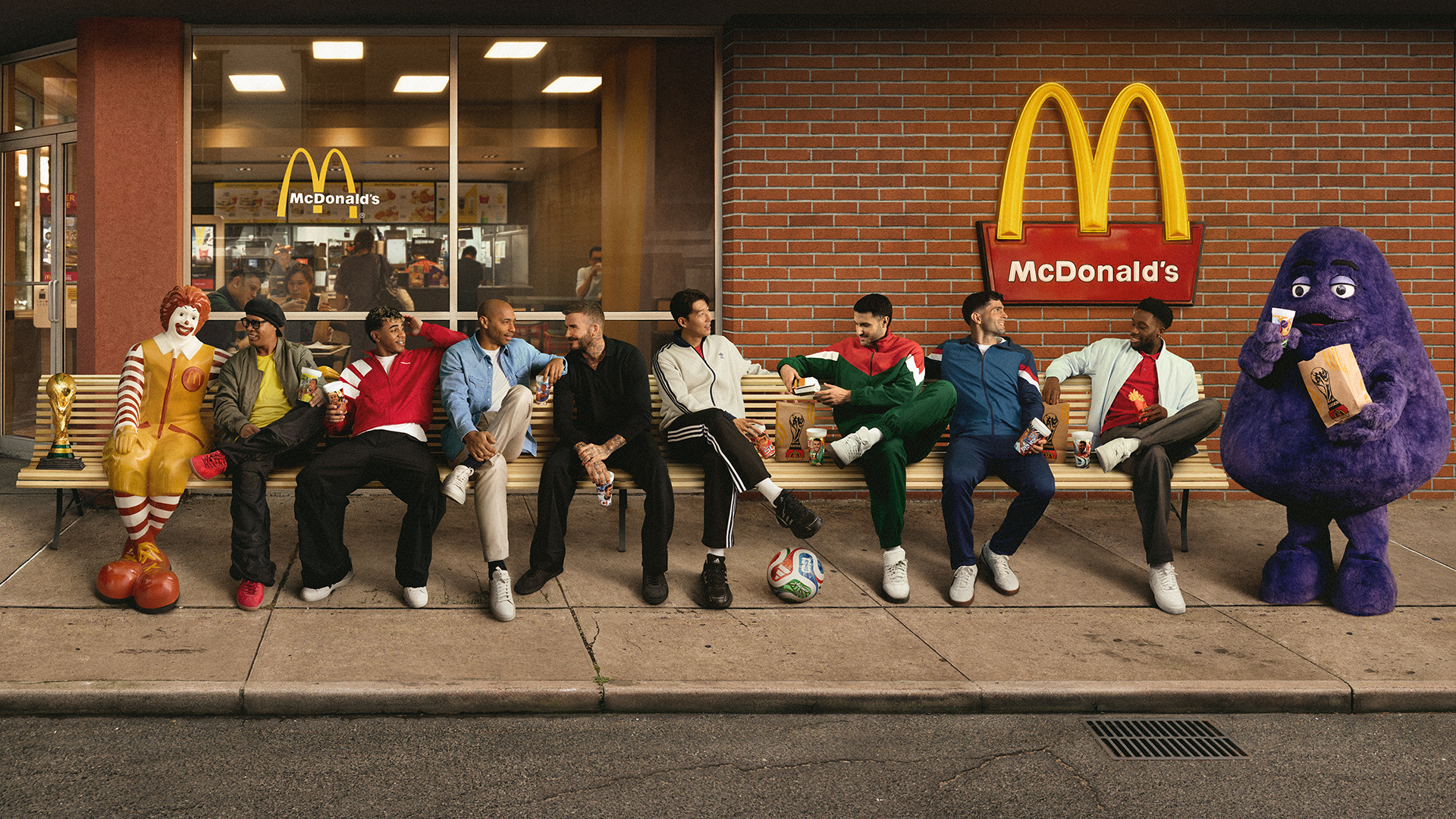
The company is also extending the campaign into digital experiences through the McDonald’s app, offering exclusive rewards, bonus points, promotions, and tournament-related experiences for customers who engage through its loyalty ecosystem.
Beyond food and rewards, McDonald’s is introducing fan experiences, community activations, and employee-focused initiatives through McDonald’s FC (Fan Crew), giving selected restaurant crew members opportunities to attend matches and participate in FIFA World Cup-related events.
Why collectibles and nostalgia are central to the campaign
One of the strongest themes throughout McDonald’s FIFA World Cup 26™ campaign is nostalgia.
U.S. Men’s National Team star Christian Pulisic shared that visiting McDonald’s after youth football tournaments was a recurring childhood ritual. That personal story aligns closely with McDonald’s broader strategy: connecting football fandom with personal memories and family traditions.
The collectible cups serve a similar purpose. Rather than acting purely as promotional merchandise, they transform meal purchases into keepsakes tied to football culture and celebrity fandom.
The Happy Meal strategy follows the same playbook.
Beginning in June, FIFA World Cup 26™ Happy Meals will include limited-edition Squishmallows™ plush toys inspired by the tournament. The collection features official tournament mascots representing Canada, Mexico, and the United States, alongside football-themed character designs. Each Happy Meal also includes access to an exclusive digital game through a scannable code.
In Singapore, McDonald’s is localising the campaign with exclusive menu items such as Honey Soy Chicken McCrispy, Jalapeño Chicken McNuggets, pistachio desserts, collectible cups, football merchandise, and a FIFA World Cup finals watch party that includes unlimited Chicken McNuggets and fries for attendees.
The localized execution demonstrates how global sponsorship campaigns can maintain a consistent brand platform while adapting experiences to regional audiences.
What marketers should know about fandom-led marketing
McDonald’s FIFA World Cup 26™ activation highlights several strategies marketers can apply beyond sports sponsorships:
- Build participation, not just awareness
The campaign goes beyond advertising by encouraging customers to collect cups, redeem rewards, unlock digital experiences, attend events, and engage through the app.
- Turn merchandise into media
Collectibles often generate organic sharing, user-generated content, and repeat purchases. The cups and Squishmallows create reasons for fans to continue interacting with the brand throughout the tournament.
- Connect global platforms with local execution
While the FIFA World Cup serves as the global anchor, McDonald’s adapts menu items, promotions, and experiences for different markets. This helps maintain relevance while preserving campaign consistency.
- Use loyalty ecosystems to extend engagement
The McDonald’s app acts as a central engagement hub, allowing the brand to reward customers, distribute offers, and maintain direct relationships beyond restaurant visits.
- Leverage cultural moments early
Rather than waiting for kickoff, McDonald’s is launching months of activations ahead of key tournament moments. This creates longer engagement windows and increases opportunities for audience participation.
What this means for sports and brand marketing
The FIFA World Cup 26™ is increasingly becoming a battleground for brand storytelling rather than a traditional sponsorship showcase.
Across industries, brands are using football culture to create experiences that blend physical products, digital engagement, creator partnerships, loyalty programs, and community participation. Similar approaches can be seen across recent FIFA World Cup-related campaigns from TikTok, LEGO, adidas, Coca-Cola, Hyundai, and FOX Sports.
For McDonald’s, the opportunity is not simply selling meals during the tournament. It is about embedding the brand into the rituals, memories, and social experiences that surround football fandom.
As global sporting events continue to evolve into multi-platform entertainment ecosystems, marketers should pay close attention to how brands create participation loops that extend well beyond the match itself.
By combining limited-time products, collectibles, digital rewards, local activations, and community experiences, the company is creating multiple ways for fans to engage throughout the tournament journey. For marketers, the lesson is clear: fandom is most powerful when audiences have something to collect, share, experience, and remember.