
If you have ever watched a conversation spiral because everyone is being polite instead of honest, you already get the appeal of a “translator” who says the quiet part out loud. That tension between what people mean and what they actually say is basically the internet’s favorite genre, from dating app screenshots to group chat drama.
In that cultural lane, Zevia has built a whole campaign around Cardi B’s unfiltered persona. Zevia outlined the push in an official campaign announcement, positioning “Real Talk Interpreter” as its biggest marketing campaign to date, spanning streaming TV, social, retail displays, and a sweepstakes.
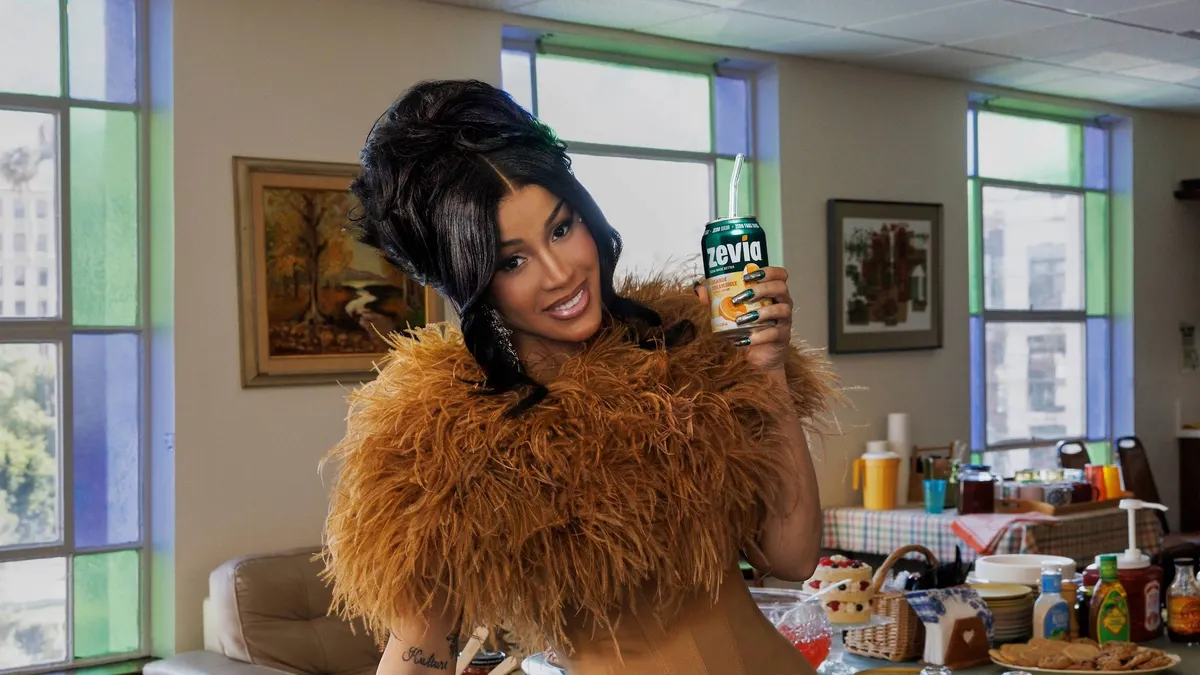
Table of contents
Jump to each section:
- Why “real talk” works as a cultural hook right now
- What Zevia actually launched with Cardi B
- How the campaign ties celebrity energy to product claims
- What this means for better-for-you soda marketing
- What marketers should know about building “authentic” brand voice
Why “real talk” works as a cultural hook right now
“Real talk” is not just a personality trait online. It is a social currency. People share content that feels like it cuts through corporate speak, dating app vagueness, and the passive-aggressive etiquette of everyday life. The joke lands because it is relatable: you can recognize the coded language immediately, and you want someone to translate it.
That is why Cardi B is a particularly legible choice here. Her brand is built on being loud, direct, and funny without sounding like she is performing “relatability.” For audiences that spend time in comment sections, that kind of voice reads as an identity, not just a celebrity endorsement.
What Zevia actually launched with Cardi B
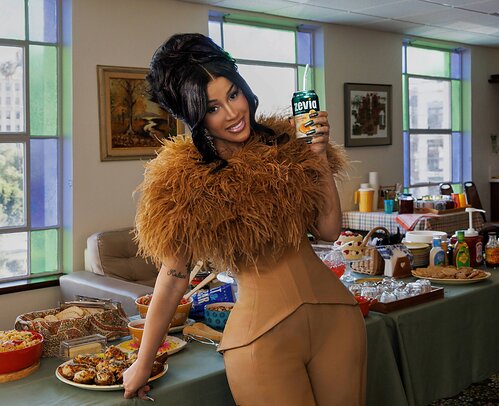
Zevia’s national campaign is titled “Real Talk Interpreter,” and it includes two humor-led hero spots: “Guidance Counselor” and “Potluck.” The ads show everyday conversations where people dance around what they mean, until Cardi B jumps in to interpret the subtext.
The campaign also invites people to submit their own “what did they really mean?” moments, including group chat drama and confusing dating app conversations. Select submissions are set to be amplified on Zevia’s and Cardi B’s social channels.
On top of that social layer, Zevia is extending the campaign into stores with retail displays featuring Cardi B and running a sweepstakes with prizes like autographed merchandise.
How the campaign ties celebrity energy to product claims
The creative linkage is straightforward: Cardi B equals “no filter,” and Zevia wants to be “refreshingly real” in a category full of competing health claims. The ads specifically feature Zevia’s Orange Creamsicle and Creamy Root Beer flavors, while underscoring the brand’s use of “real ingredients” and stevia as a sweetener.
This is also not framed as a one-off cameo. Zevia previously named Cardi B a shareholder and ambassador and described the deal as a two-year partnership. That longer horizon matters because it gives the brand more chances to make the association feel consistent, especially if the campaign’s fan-submission format becomes a recurring content engine.
What this means for better-for-you soda marketing
Better-for-you soda is not a “one brand teaches the category” market anymore. Zevia was early to the trend, but it now competes against newer names that have built serious momentum with younger audiences, including Poppi and Olipop.
Zevia reported net sales up 21.2% year over year to $46.1 million for the quarterly period ended March 31, with momentum partially tied to reinvestments in marketing and distribution changes. The Cardi B campaign fits that pattern: it is a signal that Zevia is trying to win attention not only with functional benefits (zero sugar, stevia) but with culture-forward brand voice.
It also follows earlier creative that poked fun at the artificial intelligence craze via a “creepy robot coworker” concept, reinforcing a broader “real vs fake” positioning.
What marketers should know about building “authentic” brand voice
Authenticity is not a tagline anymore. It is judged in seconds by whether the content sounds like how people actually talk.
- Start with a behavior people already share
“Real Talk Interpreter” is built on a familiar behavior: reading between the lines. When the premise is already something people joke about, the brand does not have to force participation. - Make the celebrity role functional, not decorative
Cardi B is not just holding product and smiling. She is cast as the mechanic of the joke: the interpreter who says what everyone is thinking. That clarity helps the campaign travel across TV, social, and retail without losing meaning. - Use participation formats that mirror real platform habits
Asking for group chat drama and dating app confusion is basically inviting the kind of content people already screenshot and send to friends. The campaign format fits existing sharing instincts rather than inventing new ones. - Treat “brand voice” like a long-term asset
Zevia has been building “real” as a consistent theme, from anti-AI creative earlier in the year to this partnership. The two-year structure also suggests they want repetition and familiarity, not a single viral spike. - Connect product truth to the tone, not just the script
The brand wants “real ingredients” to feel emotionally consistent with “real talk.” The more those two things feel like the same value expressed differently, the less the campaign feels like a personality bolt-on.
What is interesting about this campaign is that it is selling a feeling first: relief. Relief that someone finally said it plainly. If Zevia can make that feeling stick to the product in a crowded “better-for-you” aisle, it gives the brand a differentiator that is not just another nutrition claim.
It also reflects a wider shift in consumer expectations: people do not just want brands to be healthier. They want brands to sound human, pick a side in the “real vs fake” conversation, and show up with a voice that can survive the comment section.