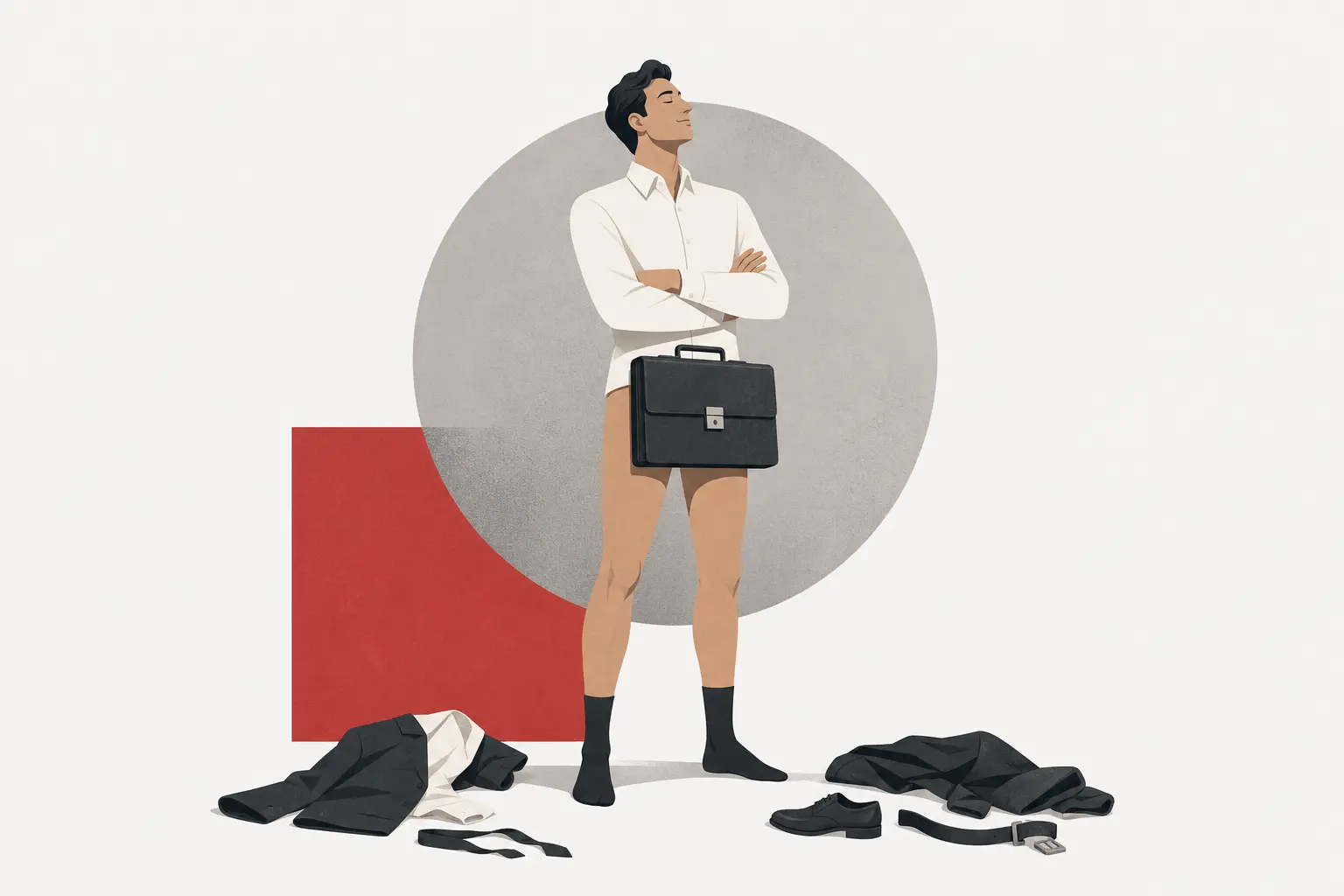
Wearing basics is usually a private thing, until a brand makes it feel like part of your personality. Hanes is betting that the most relatable confidence fantasy is staying unfazed in the exact moments people normally dread.
In its new “Get Comfortable” creative direction, Hanes positions comfort as an ego boost in taboo or awkward scenarios, and it shared the details in an official announcement.
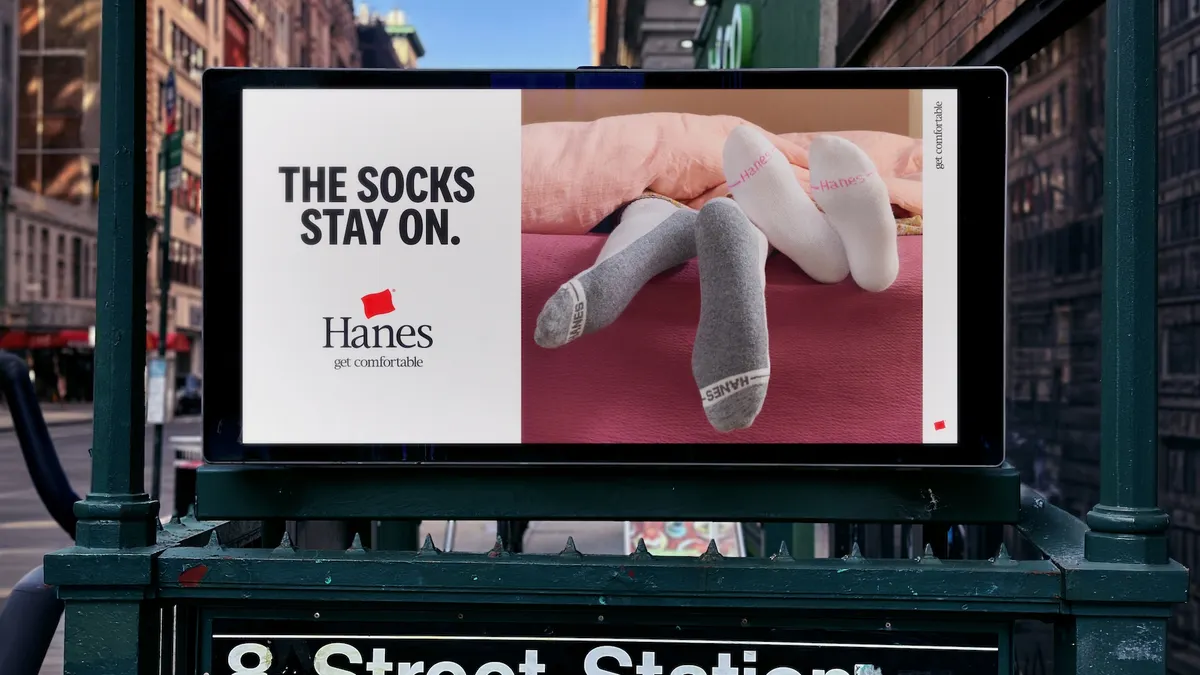
Table of contents
Jump to each section:
- Why Hanes is making basics feel bolder
- What “Get Comfortable” includes
- Why awkward-situation storytelling works for a basics brand
- What this means for marketers
Why Hanes is making basics feel bolder
Hanes has been around for more than 125 years, which is both an asset and a trap. People know the name, but “reliable basics” can slide into “background noise” fast, especially when shoppers are constantly being sold a vibe, not just a product.
“Get Comfortable” reads like an attempt to give basics a more entertaining, more human identity: not aspirational in a glossy way, but aspirational in a social-survival way. The idea is simple: if your clothes feel good, you act like you have nothing to prove, even when you probably should be embarrassed.
There’s also a corporate context to the timing. HanesBrands was acquired by Gildan Activewear for $2.2 billion late last year, and this campaign is framed as a deliberate break from past messaging.
What “Get Comfortable” includes
The campaign is built around four spots that drop characters into scenarios that usually feel like anxiety nightmares: a man gets his pants pulled down at a bar as a prank, and a woman grocery shops in her underwear. In each case, the character stays calm and confident, with Hanes positioned as the quiet reason they can brush it off.
One spot, “Keep Em On,” tracks across an apartment floor scattered with discarded clothes before landing on a couple in bed, with only their Hanes socks visible under the comforter. The videos were directed by Nick Ball and shot on film.
Hanes is running the campaign nationally across social, online video, retail, display, and owned channels, alongside out-of-home placements around New York City. The OOH creative includes lines like “Très Cheek” alongside a close-up of a woman wearing red Hanes underwear.
The company also refreshed its logo, keeping its signature red flag icon but floating it above the wordmark. Special U.S., which Hanes appointed in 2024, handled the campaign and the logo update.
Why awkward-situation storytelling works for a basics brand
This kind of humour works because it’s not really about underwear or socks. It’s about the emotional micro-moments people recognise instantly: being perceived, being exposed, and having to decide whether to crumble or play it cool.
For a basics brand, that’s a useful reframing. Basics are not purchased for status in the same way sneakers or handbags are, but they are purchased for how they make you feel in your own body. “Get Comfortable” turns that private comfort into a public persona, confidence you can “wear” even when your situation is objectively chaotic.
It also creates a clearer entertainment value in channels where basics can struggle. A plain “soft fabric” message competes poorly in feeds. A scenario people can imagine themselves in, and laugh about, has a better chance of being remembered, rewatched, and quoted, even if the product itself stays simple.
What this means for marketers
The campaign is a reminder that “brand personality” does not have to mean luxury aesthetics or influencer gloss. Sometimes it just means giving people a script for how they want to feel in public.
1. Sell the social feeling, not the fabric claim
Hanes is tying comfort to the moment after something awkward happens: the part where you decide how to react. That is a more distinctive promise than generic softness language.
2. Use taboo carefully to make the brand feel alive
The scenarios are risqué, but they’re not built on shock for its own sake. They sit in the “everyone gets the joke” zone, which helps a mass brand stay broad while still feeling bold.
3. Make basics culturally legible through storytelling
Basics are hard to “discover” because people assume they already know them. Narrative ads, especially ones with a clear comedic premise, can reintroduce familiar products without pretending they’re new.
4. Pair a creative shift with identity signals people can spot fast
The refreshed logo and the OOH presence in New York help the new tone feel official, not like a one-off joke. When creative changes, consistent visual cues help audiences update their mental model of the brand.
5. Design for feeds and streets at the same time
The same cheeky premise can live as video, social cuts, and transit ads, which matters when attention is fragmented. The idea is recognisable whether someone is scrolling or commuting.
Ultimately, “Get Comfortable” is less about trying to make underwear edgy and more about making a legacy basics brand feel current in how people actually talk and laugh about everyday embarrassment. If Hanes can own that emotional territory, it gives the brand a clearer role in culture: not the loudest label in the room, but the one that helps you act like you belong there.
That is also the more durable kind of brand repositioning. It does not rely on a specific platform trend or a single celebrity face. It relies on a repeatable human truth: comfort changes behaviour, and behaviour is what people remember.