If you have ever tried keeping a Duolingo streak alive during a big match, you know the feeling: the game starts, the group chat is popping off, and suddenly “one quick lesson” becomes tomorrow’s problem.
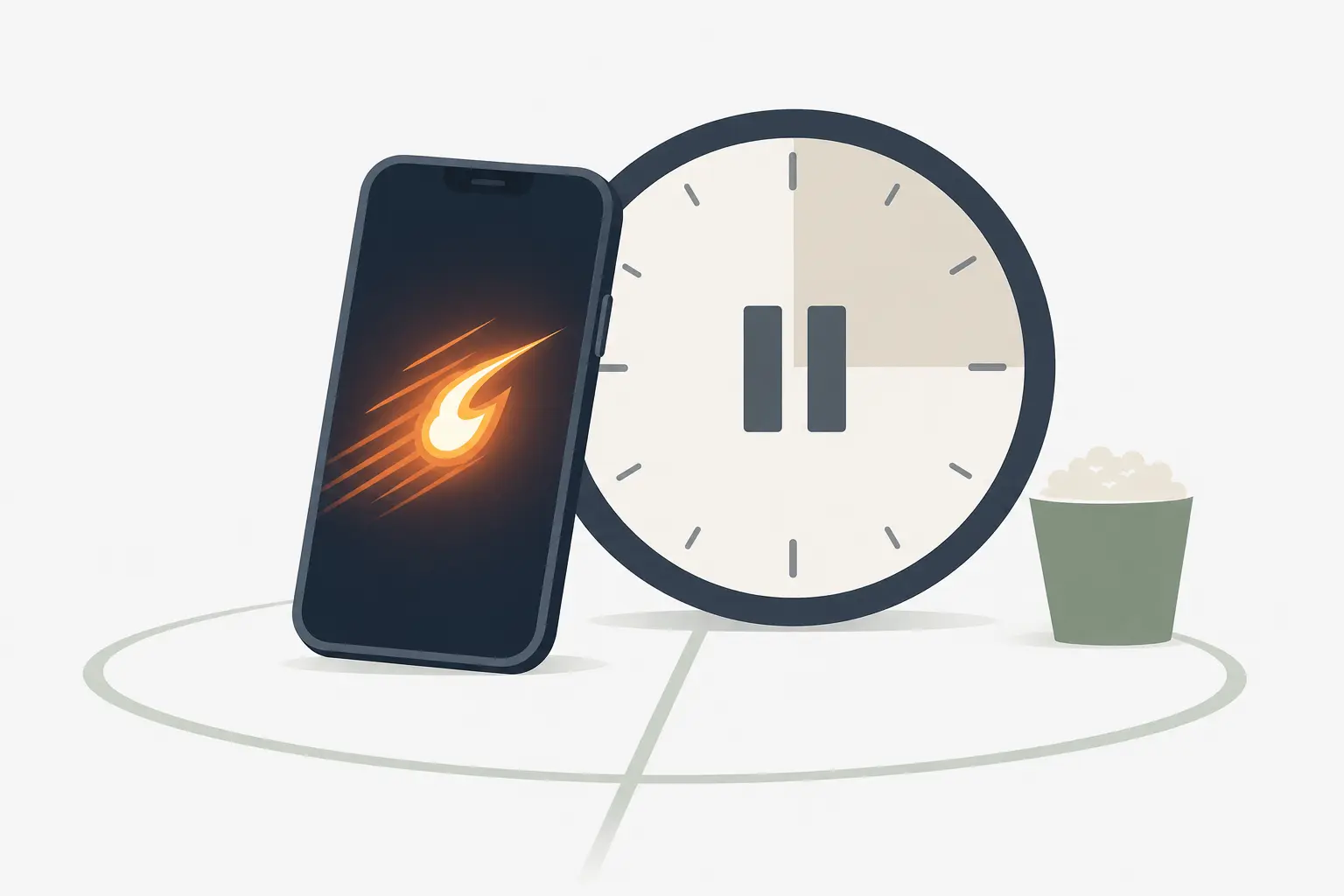
That is the behavioural truth Duolingo leaned into in Indonesia, turning halftime, not kickoff, into the moment to bring people back. The company shared the details in an official announcement.
Rather than trying to compete with live play, Duolingo built a watch-party surprise designed for football-first attention spans: its green owl mascot Duo appeared during the interval with a theatrical song-and-dance reminder not to drop daily learning streaks.

Table of contents
Jump to each section:
- Why halftime is a cheat code for attention in watch-party culture
- What Duolingo actually did at the Indonesian watch party
- Why the streak mechanic works better as a social moment than a push notification
- What this means for marketers
Why halftime is a cheat code for attention in watch-party culture
In Indonesia’s watch-party scene, the match is the main character, but the event is bigger than the match. People show up to hang out, snack, play games, and create moments worth filming.
That matters because it changes what “marketing interruption” looks like. When everyone is locked into the same rhythm (first half, break, second half), halftime becomes the one window where a brand can show up without being the villain who talked over the action.
Duolingo and agency partner Innocean Indonesia built the idea around that exact rhythm: let the fans watch in peace, then make the reminder feel like part of the entertainment people already expect during the interval.
What Duolingo actually did at the Indonesian watch party
Duolingo staged a surprise appearance by Duo at a football watch party organised for its gaming and sports community. During halftime, the mascot performed a theatrical song-and-dance bit, including the line “Finally… it’s time you come back to me,” to nudge people to complete a lesson before the second half.
The tone matched the brand’s existing mascot personality: persistent, but played for laughs. Importantly, the reminder was time-boxed to the break, so it fit into what attendees were already doing (checking phones, grabbing food, posting Stories) instead of asking them to choose learning over football.
The activation also tied streak consistency to immediate, in-room rewards. Learners who maintained their Duolingo streaks through the tournament received complimentary Duolingo-branded snacks and drinks, and Duolingo said more than 200 attendees completed lessons on the spot and received rewards.
Why the streak mechanic works better as a social moment than a push notification
Streaks are usually private pressure. Your phone buzzes, you feel guilty, you do the minimum lesson to keep the counter alive.
This approach flips the same mechanic into something performative and social. In a watch-party environment, people are already filming, laughing, and narrating the night in real time. Duo’s interruption becomes content, not just a nag. The article notes attendees filmed and shared the performance on social media before the match resumed, which turns “I should do my lesson” into “this is funny, you have to see this.”
It also reframes the brand’s persistence as a community in-joke rather than a retention tactic. When the mascot shows up in person, the reminder lands like a shared bit: yes, the owl is still watching, but now everyone gets to laugh about it together.
What this means for marketers
Duolingo’s halftime stunt is a useful reminder that behaviour beats messaging, especially inside cultural moments where attention is already spoken for.
1. Design around the audience’s “non-negotiables”
Duolingo openly accepted that nobody was choosing language lessons over an important match. For marketers, the win is in building around that reality rather than fighting it with louder media.
2. Use the natural break, not the peak moment
Halftime is an attention reset. People are already switching contexts, opening their phones, and looking for something to do. Placing the brand moment there makes it feel helpful (or at least harmless) instead of intrusive.
3. Make retention feel like entertainment, not compliance
The streak reminder worked because it arrived as a performance that matched Duo’s established persona. The lesson is not “be funny,” it is “show up in a way the community recognises as true to you.”
4. Reward behaviour in the same moment it happens
Complimentary branded snacks and drinks for maintaining streaks, plus on-the-spot rewards for completing lessons, turns motivation from abstract to immediate. People do not have to imagine the benefit, they receive it right then.
5. Build something people want to record
The campaign benefited from the watch-party habit of filming and sharing. When a brand moment is naturally “clip-worthy,” distribution becomes a byproduct of the experience.
Zooming out, this activation is less about a mascot cameo and more about understanding where a brand can “belong” in a cultural routine. Football watch parties have their own etiquette, and Duolingo respected it.
For marketing teams, the broader signal is that cultural participation is increasingly about timing and social dynamics, not takeover energy. The more a brand behaves like it understands the room, the more people will treat it like part of the night, not an ad trying to borrow it.