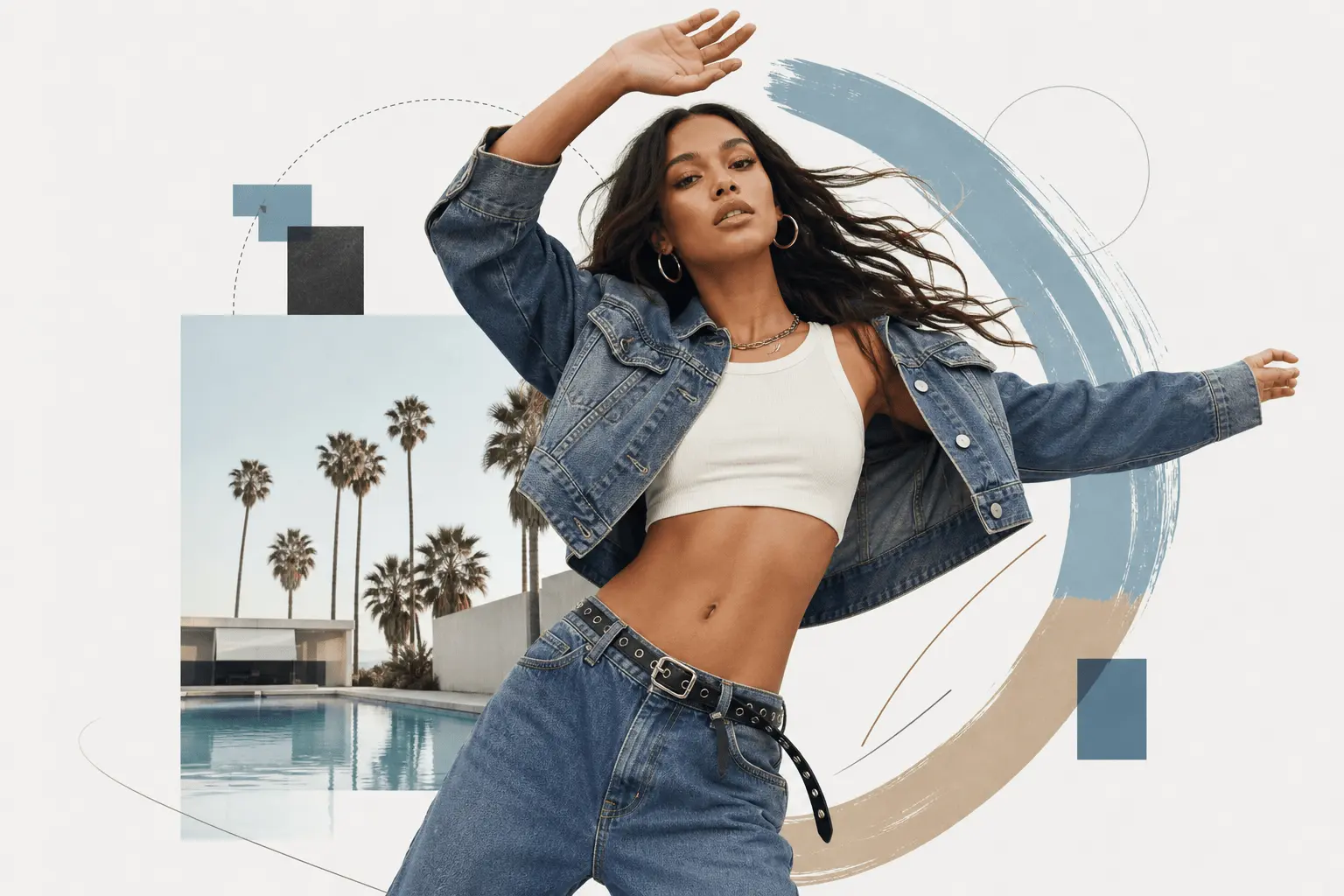
Nostalgia for late-’90s and early-2000s style is not just “back” in a trend-cycle way. It’s become a full aesthetic language online, where denim silhouettes, going-out tops, and music-video energy signal confidence, playfulness, and main-character swagger.
Express is leaning into that exact feeling with its Fall 2026 push, tying the collection to a music-video-style campaign built around movement, styling, and the kind of aspirational night-out imagery that originally made Y2K fashion so sticky. The company outlined the concept in an official announcement.
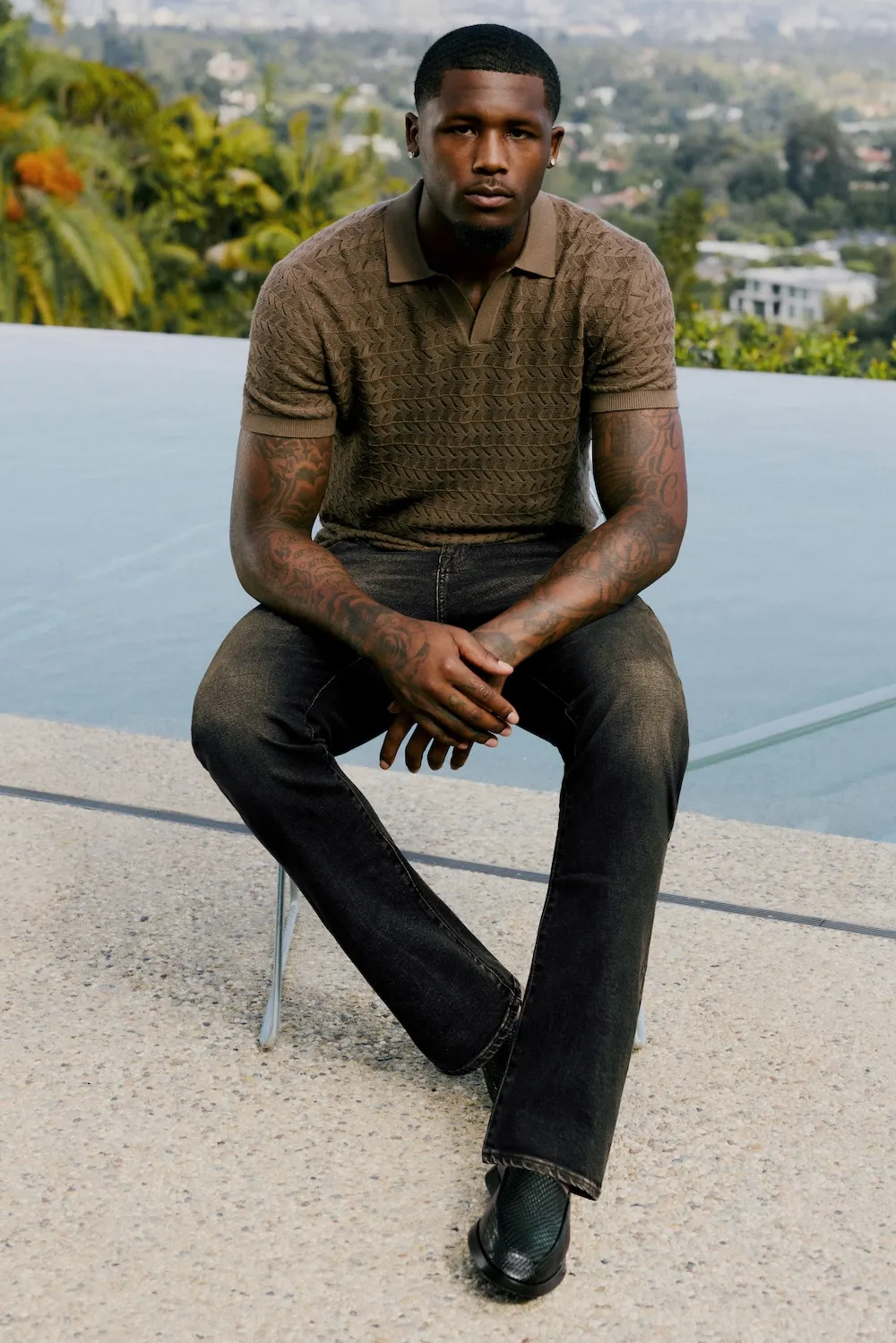
In the hero film, musician Tinashe and NFL player Tee Higgins appear in a pool-party-to-house-party setting at the John Lautner-designed Goldstein House in Beverly Hills, set to Tinashe’s track “Too Easy.” The spot was directed by Colin Tilley and choreographed by JaQuel Knight.
Table of contents
Jump to each section:
- Why Y2K is still a conversion engine, not just a vibe
- What Express is actually selling in “Too Easy to Look This Good”
- The Expressionists and why social-first community matters here
- What brand teams can learn from Express’ fashion-and-music play
Why Y2K is still a conversion engine, not just a vibe
Y2K works because it’s visual and instantly readable on a scroll. Bootcut shapes, overdye washes, satin and lace details, and “going-out” styling cues communicate a whole mood in one frame, which is exactly what short-form video and social discovery reward.
For Express specifically, the era carries extra weight. The brand was part of that original mall-fashion moment, so it can reference it without feeling like it is borrowing someone else’s identity. That matters when audiences have a finely tuned radar for forced nostalgia.
The campaign also frames Y2K less as costume and more as a “modern interpretation” for fall, which helps it land as wearable, not just referential.
What Express is actually selling in “Too Easy to Look This Good”
Under the music-video styling, Express is pushing a clear product story for fall, anchored in denim and familiar franchise items.
For women, the fall lineup includes the return of the Hyper Stretch Bootcut Jean and the Editor Pant, which Express says has sold more than 32 million pairs. The styling callouts in the campaign world include going-out tops like satin and lace camis, Portofino shirts, and body contour tops.
For men, Express highlights the debut of a Y2K Wash Jean with overdye finishes, plus the 24/7 Comfort-Waist Chino in Hyper Stretch, alongside Modern Tech Suiting and elevated casual pieces.
The creative choice to show clothing in motion (DJing, dancing, moving between day and night scenes) is doing practical work: it demonstrates fit and vibe at the same time, in the format social platforms prioritize.
The Expressionists and why social-first community matters here
A music-video hero asset creates the “world,” but communities create the repetition that keeps a campaign alive. Express is extending the work through The Expressionists, its social-first community of creators, associates, and brand ambassadors launched earlier this year.
This is a smart match for a confidence and self-expression platform (“Dress to Express”) because the whole point is personal translation. The brand sets the aesthetic and the emotional cue, then real people interpret it through their own styling and point of view.
Express has previously used a mix of talent levels, from nano-creators to celebrities and athletes, to carry that “style as identity” story. In this campaign, the celebrity and sports casting provides cultural recognition, while The Expressionists are positioned to make it feel lived-in and repeatable across social.
What brand teams can learn from Express’ fashion-and-music play
A Y2K campaign works best when it feels like a scene people want to step into, not a reference they are asked to recognize.
- Treat nostalgia as a setting, not a slogan
Express built a campaign world (pool party, house party, Goldstein House location, dance, DJ booth) that visually communicates the era without needing to explain it. - Use movement to sell fit and confidence in the same moment
Fashion “in motion” is not just creative flavor. It helps consumers imagine how denim and going-out pieces look when you actually live in them. - Cast for cultural credibility, then scale with community
Big names like Tinashe and Tee Higgins can pull attention, but a social-first creator/associate community can multiply interpretations and keep the aesthetic circulating. - Anchor the creative in product franchises people already trust
Calling out specific items (like the Hyper Stretch Bootcut and Editor Pant) links the cinematic vibe back to recognizable purchase decisions. - Match the campaign to seasonal behavior, not just seasonal calendars
Express tied this to back-to-school and fall mall traffic dynamics, with plans for in-store and digital visibility and a later focus on denim.
The bigger signal is that “brand heat” is being rebuilt through culture-native formats: music-video storytelling, choreography, and social-first remixing. For apparel brands, especially those with real heritage in a specific era, the opportunity is to turn nostalgia into a modern identity cue, then let communities do the translating in public.
When that works, the marketing does not feel like persuasion. It feels like an invitation to join a scene, wear the uniform, and bring your own personality to it.
This article is created by humans with AI assistance, powered by ContentGrow. Ready to automate your content marketing?