
Milk tea regulars in New York do not usually expect their favourite shop to suddenly turn into punctuation. But in early June, Molly Tea customers started noticing a quiet, surreal shift: the familiar logo replaced with question marks, down to packaging and menu visuals.
In the background, Molly Tea Global said it had cut ties with several New York locations over repeated contract violations and unauthorised use of its brand, sharing the update on Xiaohongshu. The change now playing out on the street is not just a name swap. It is a live test of how much a brand identity matters when the product habit and location convenience are still doing the heavy lifting.
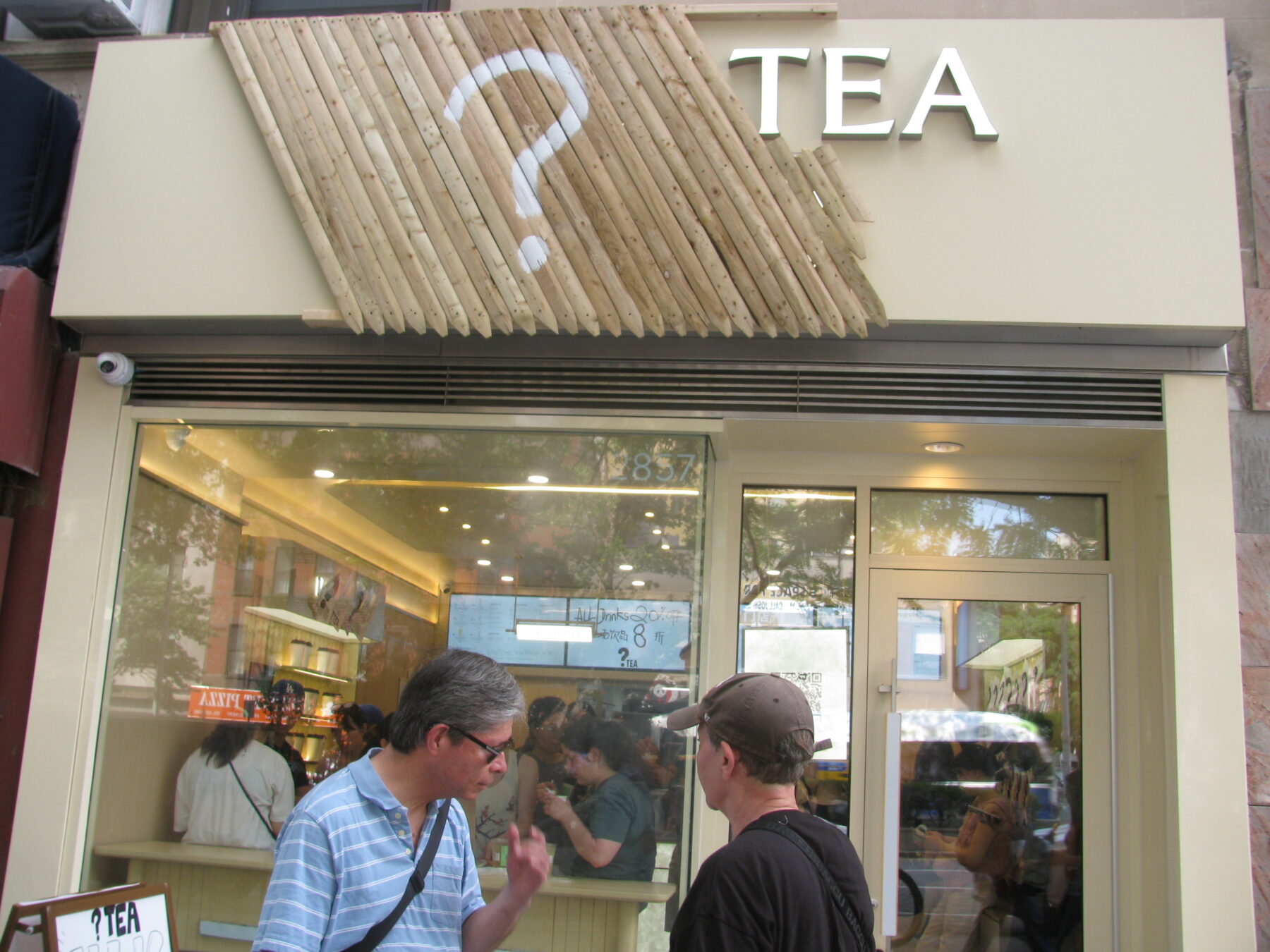
Table of contents
Jump to each section:
- What happened with Molly Tea’s New York locations
- Why the “?” rebrand is a consumer behaviour signal
- What the dispute shows about overseas expansion and brand control
- What this means for marketers
What happened with Molly Tea’s New York locations
Molly Tea, founded in Shenzhen, has said it grew to more than 2,000 stores worldwide by November 2025, with a growing presence in markets including the US, Canada, Australia, and the UK. In New York, a partnership with MHL NY LLC helped open four stores in late 2023, but the relationship later deteriorated amid disagreements that included ownership, lease arrangements, operational control, and a proposed restructuring.
Molly Tea’s headquarters has accused local operators of opening and controlling stores outside the agreed joint-venture structure and continuing to use the brand after authorisation was terminated. The local operators denied wrongdoing and alleged the parent company attempted to seize control by cutting off supplies, closing operating systems, and removing stores from delivery platforms.
The dispute escalated into a lawsuit in the US District Court for the Southern District of New York. Molly Tea is seeking more than US$5 million in damages, with claims including trademark infringement and breach of contract. On June 8, the court issued a preliminary injunction temporarily barring the stores from using Molly Tea’s trademarks, branding, online accounts, and delivery-platform listings. The underlying case remains ongoing.
On the ground, at least some locations have kept operating by changing visible branding. The Columbia University-area shop shifted to “?” Tea, with question marks replacing brand visuals across signage and packaging.

Why the “?” rebrand is a consumer behaviour signal
A forced rebrand usually reads like a shutdown in progress. Here, it reads more like a continuation with a wink, the same queue, the same drinks, and the same store routine, but stripped of the recognisable brand markers customers are used to.
That mismatch is the point marketers should notice. For many consumers, especially in habitual categories like beverages, brand loyalty can look less like deep emotional attachment and more like a personal pattern: “this place is on my route,” “I know what to order,” “my friends meet here,” “it tastes the way I want.” When a store can swap its identity overnight and still see customers lining up, it suggests the buying behaviour is anchored as much in convenience and product preference as in logo-level brand meaning.
At the same time, the change creates friction for a different type of customer: the one who cares about legitimacy, consistency, and the reassurance that their favourite chain is still their favourite chain. Some customers expressed uncertainty about how long the store would remain open and hesitancy about continuing to support it, even while admitting they still like the drinks.
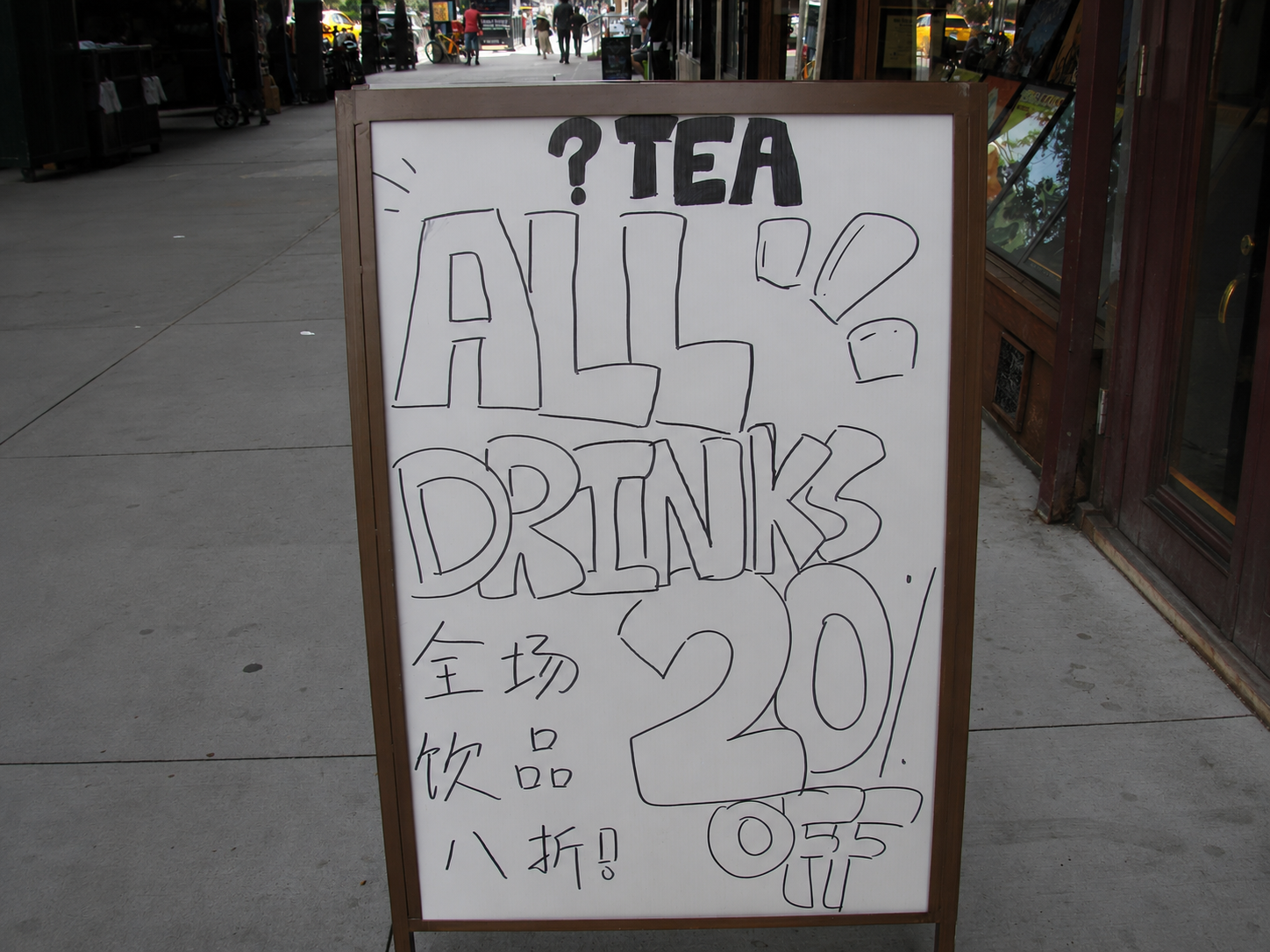
Pricing and promo cues also shape the moment. The New York menu ranged from US$5.59 for brewed teas to US$8.99 for specialty topped or layered beverages, with many signature fresh milk teas priced between US$7.59 and US$7.99. During the period described, stores ran a “20% off” promotion and pushed new membership benefits, signalling an attempt to keep foot traffic steady while the brand identity is in flux.
What the dispute shows about overseas expansion and brand control
The conflict is not only about a name and logo. Molly Tea has also alleged the New York operators continued using confidential recipes, training materials, and other proprietary information, with the court not yet making a final ruling on those claims.
For consumer chains expanding internationally, this is the uncomfortable part of scaling: once stores are running, the brand is no longer only a set of assets owned by headquarters. It becomes a set of lived customer expectations maintained by local operators, staff, supply chains, delivery platform presence, membership systems, and daily operations. If the relationship breaks, disentangling those pieces quickly becomes messy and public.
The court’s preliminary injunction highlights how seriously US courts can treat potential consumer confusion and brand harm when former franchisees or partners continue operating. The dispute has been compared to other trademark cases involving former franchisees, where courts have stepped in to stop ongoing use of trademarks after agreements ended.
The “?” Tea workaround also shows how brand enforcement can push behaviour into adjacent territory: if the trademark is protected, operators may attempt to preserve demand by creating a lookalike customer experience without the protected identity. That can keep revenue flowing, but it can also create longer-term confusion, especially if customers assume “?” Tea is an official sub-brand, a temporary campaign, or a sanctioned rename.
What this means for marketers
This situation reads like legal news, but it is also a sharp reminder that brand is both an asset and a dependency. When a brand relationship breaks, customers do not automatically follow the corporate storyline. They follow what they can still access.
- Brand equity is real, but habit is often stronger than messaging
Customers kept showing up even as signage changed, suggesting convenience and product preference can outweigh brand clarity in the short term. Marketers should separate “brand love” from “repeat behaviour” when measuring loyalty. - If your brand lives inside local operations, governance is part of marketing
Agreements, training, proprietary recipes, and system access are not just legal levers. They are the infrastructure that protects brand consistency, especially across borders and partners. - Membership and delivery presence are part of the brand surface area
The injunction referenced not just trademarks but also online accounts and delivery-platform listings. For modern QSR and beverage brands, your “brand” includes search results, delivery menus, and membership policies, not only storefront signage. - Discounting during uncertainty can keep traffic, but it can also signal exit
A visible “20% off” offer can read as generosity, but it can also read as liquidation. Marketers should think about what a promotion communicates emotionally when customers already suspect a closure. - Consumers will fill in ambiguity with their own story
A question-mark identity invites interpretation. Some customers found it impressive, others felt hesitant. When brand clarity collapses, community chatter and assumptions become the de facto narrative.
In the near term, the future of these locations depends on the legal outcome, potential settlement, a permanent rebrand, renewed cooperation, or a prolonged fight over damages and intellectual property. But the more lasting lesson for brand teams is cultural: customers are not simply buying a logo. They are buying a routine, a taste, and a place in their day.
When that routine remains intact, many people will keep ordering, even if the sign above the door turns into a question.