
If you have ever watched a fandom treat a cup sleeve like a concert ticket, this one makes perfect sense. In late June 2026, singer Wang Sulong teamed up with Molly Tea (茉莉奶白) for a co-branded drop that quickly turned into a check-in ritual: buy, photograph, post, collect, repeat.
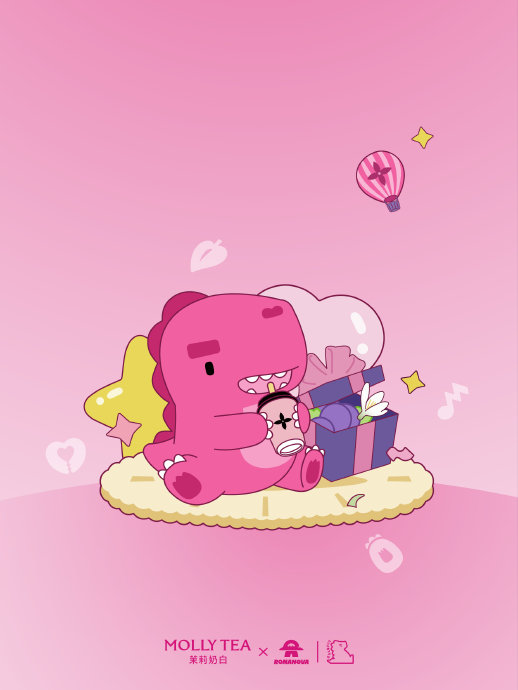
Molly Tea shared campaign details through its official channels, and the momentum moved fast. By July 2, 2026, co-branded freebies had sold out at multiple stores across cities, while the sudden scarcity also triggered a familiar side effect in fan commerce: third-party purchasing and resale drama.
Table of contents
Jump to each section:
- Why this collab clicked with fans so quickly
- What Molly Tea and Wang Sulong actually offered
- How the “159 RMB top-up” mechanic turns hype into stored value
- Scarcity, resellers, and the brand’s public response
- What this means for marketers
Why this collab clicked with fans so quickly
This campaign leaned into a dynamic fandoms already understand: limited goods are not just “merch,” they are proof you were there. Wang Sulong is a long-running pop singer with a stable fan base, and the campaign used a fan-recognizable nickname, “Su Long,” as part of the official naming. That matters because it signals the collab is speaking in-fandom, not just borrowing a famous face.
It also turned buying tea into a social activity. Fan check-ins suggested people were visiting themed stores, traveling between cities to complete sets, and treating the purchase like a mini event rather than a routine drink run.
What Molly Tea and Wang Sulong actually offered
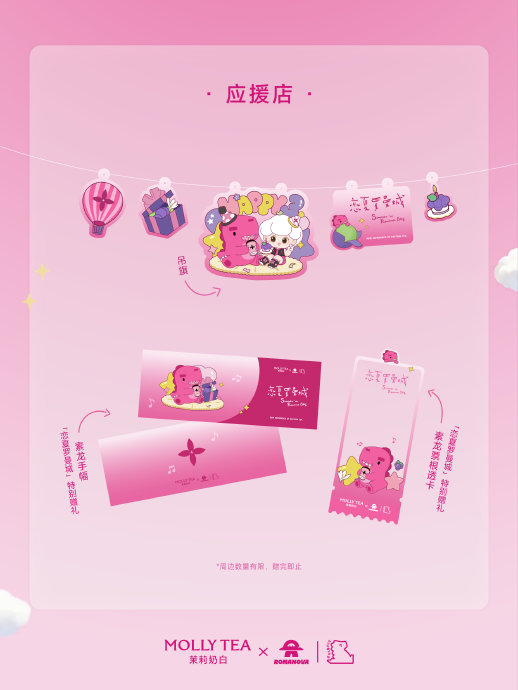
The collab ran across offline stores nationwide and also supported ordering via delivery platforms and the brand’s mini program. The offer was not just a drink. It was a bundle of small items fans can collect and show: co-branded cups, bags, cup sleeves, stickers, planners or notebooks, tape, and other giveaways depending on store supply.
The flagship item was the “Su Long co-branded ice-cream cone,” which became the obvious “must-buy” check-in product because it is easy to photograph and easy to share.
In some core cities, the campaign also included themed stores with extra limited items tied to posting a photo check-in on social platforms.
How the “159 RMB top-up” mechanic turns hype into stored value
One of the most important details here is the stored-value promotion: top up 159 RMB (about $22) and receive an additional exclusive gift pack, while keeping the 159 RMB balance for future purchases. That framing matters because to a fan it can feel like “I’m not paying for merch, I’m prepaying drinks and getting the extras.”
Operationally, it also removes friction for fans who cannot easily get to the right store at the right time. The campaign flow described includes automatic voucher issuance after top-up, address submission, and shipping of the merchandise, without requiring in-store pickup.
This is a classic new-style tea playbook: fandom demand creates urgency, and the brand converts part of that urgency into stored value that can extend beyond the one-week collab window.
Scarcity, resellers, and the brand’s public response
Scarcity did what scarcity usually does. As popular items sold out in days at many stores, a resale chain emerged: purchasing agents and resellers listing freebies (like photo cards and planners) for marked-up prices, with some fan discussions claiming markups could exceed 300% in extreme cases.
The controversy was not only about price. It also included scams (taking money and blocking buyers) and counterfeit goods. Molly Tea publicly stated that co-branded merchandise is only provided through official Molly Tea stores and that it has not authorized any individual or third party to sell or resell.
Fan reactions described around the campaign split into predictable camps:
- Fans who supported the brand’s anti-resale stance and encouraged official-only purchasing.
- Fans in remote areas frustrated that they could not directly purchase merch-only online and felt pushed toward agents.
- General observers framing it as a typical celebrity co-branding cycle and urging rational spending.
What this means for marketers
This collab is less about “a singer endorsement” and more about how fandom already behaves when you give it something to collect, display, and trade stories about.
- If the item photographs well, it becomes the marketing
The ice-cream cone and limited packaging were built for check-ins. When the product is inherently postable, the “ad” becomes the fan’s own documentation of participating.
- Nicknames and in-community language can signal authenticity
Using “Su Long” (a fan-used nickname) in the campaign identity is a small choice with outsized meaning. It tells the community the collab was designed with fandom context in mind.
- Stored value is a business lever, but fans experience it as a workaround
The 159 RMB (about $22) top-up mechanic turns scarcity into prepaid revenue, but it is also framed as a fair path for fans who miss in-store drops. That dual perception is exactly why it works.
- Scarcity is a growth tactic that also creates a trust problem
Limited freebies drive urgency, then resellers and scams follow. The brand response (clear “official only” guidance) is necessary, but it does not remove the underlying demand that scarcity creates.
- Themed stores turn a beverage run into an offline fandom ritualFans queuing early for “dozens per day” style check-in gifts is not just retail traffic. It is community behavior, similar to concert-day routines, just mapped onto tea.
The broader signal is that beverage brands in fast-moving categories are competing on moments, not just menus. When fandom is involved, the “moment” becomes something people can collect and prove, which is why the same mechanics also create resale markets.
For marketers, the lesson is not “do scarcity.” It is to understand what scarcity does to community behavior, and to plan for the full lifecycle: supply expectations, fulfillment, verification at pickup, and the inevitable secondary-market attempts that come with highly emotional demand.