
There’s a very specific kind of sports culture flex happening right now: the “tournament fit check,” where every on-camera detail becomes part of an athlete’s public persona, from tunnel looks to accessories that signal status.
Hublot is leaning into that energy by spotlighting multiple athletes, coaches, and football figures wearing specific watch models during a World Cup period, with the details outlined in an official announcement.
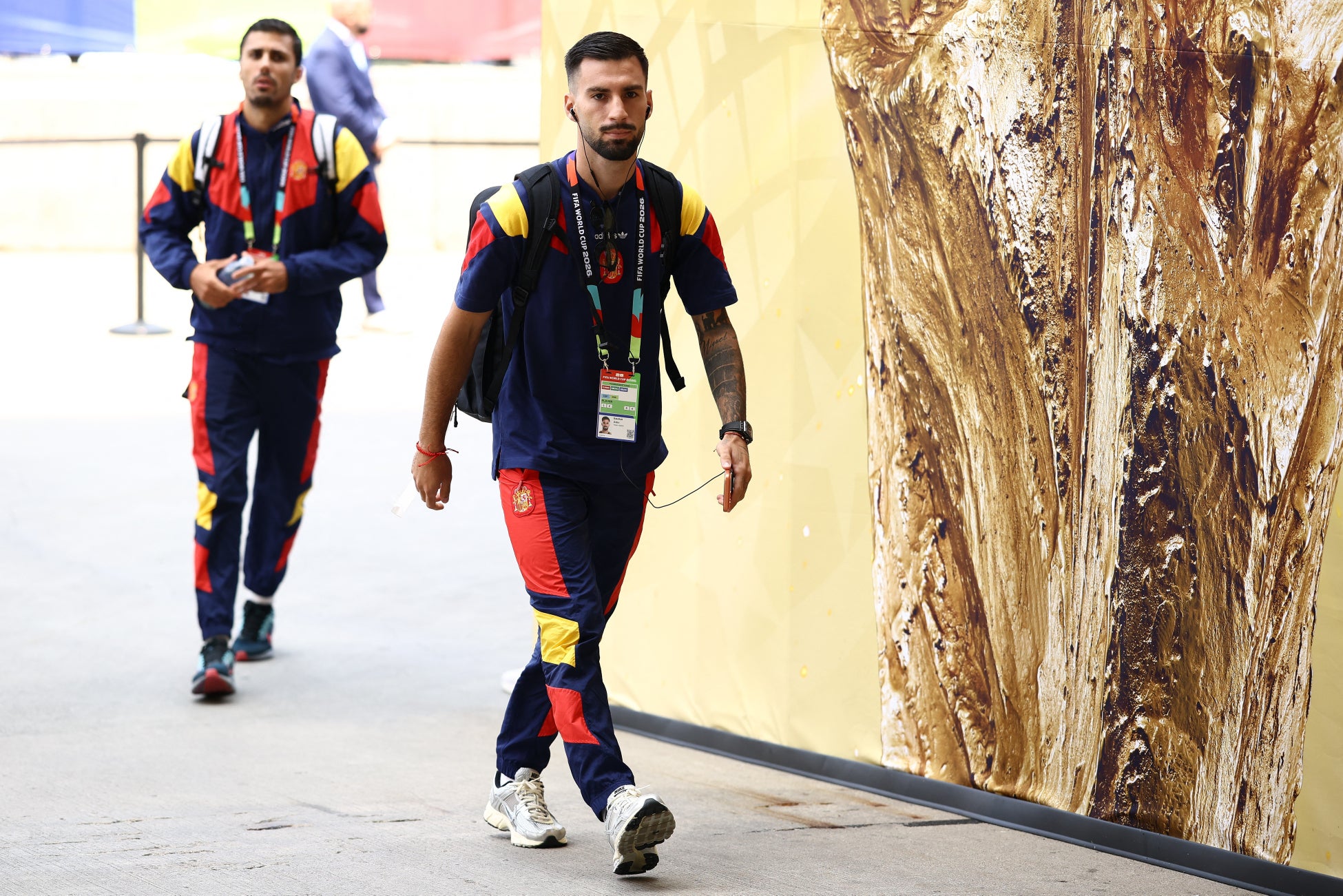
Table of contents
Jump to each section:
- Why sports audiences notice watches in the first place
- What Hublot is signalling with its athlete and coach mix
- How product storytelling shows up through specific models
- What this means for marketers
Why sports audiences notice watches in the first place
In major tournaments, cameras linger. Fans catch tiny details because the broadcast experience is built on close-ups: celebrations, bench reactions, walkouts, post-match interviews. That makes a watch one of the few “quiet” style objects that still reads loudly on screen.
The other reason this works is identity. When an athlete becomes a global character, the accessories become shorthand for who they are, not just what they wear. Hublot explicitly plays into that with its Kylian Mbappé collaboration piece, described as symbolising the French star’s identity.
What Hublot is signalling with its athlete and coach mix
Instead of spotlighting only one face, Hublot’s lineup spans players, coaches, and cross-sport celebrities:
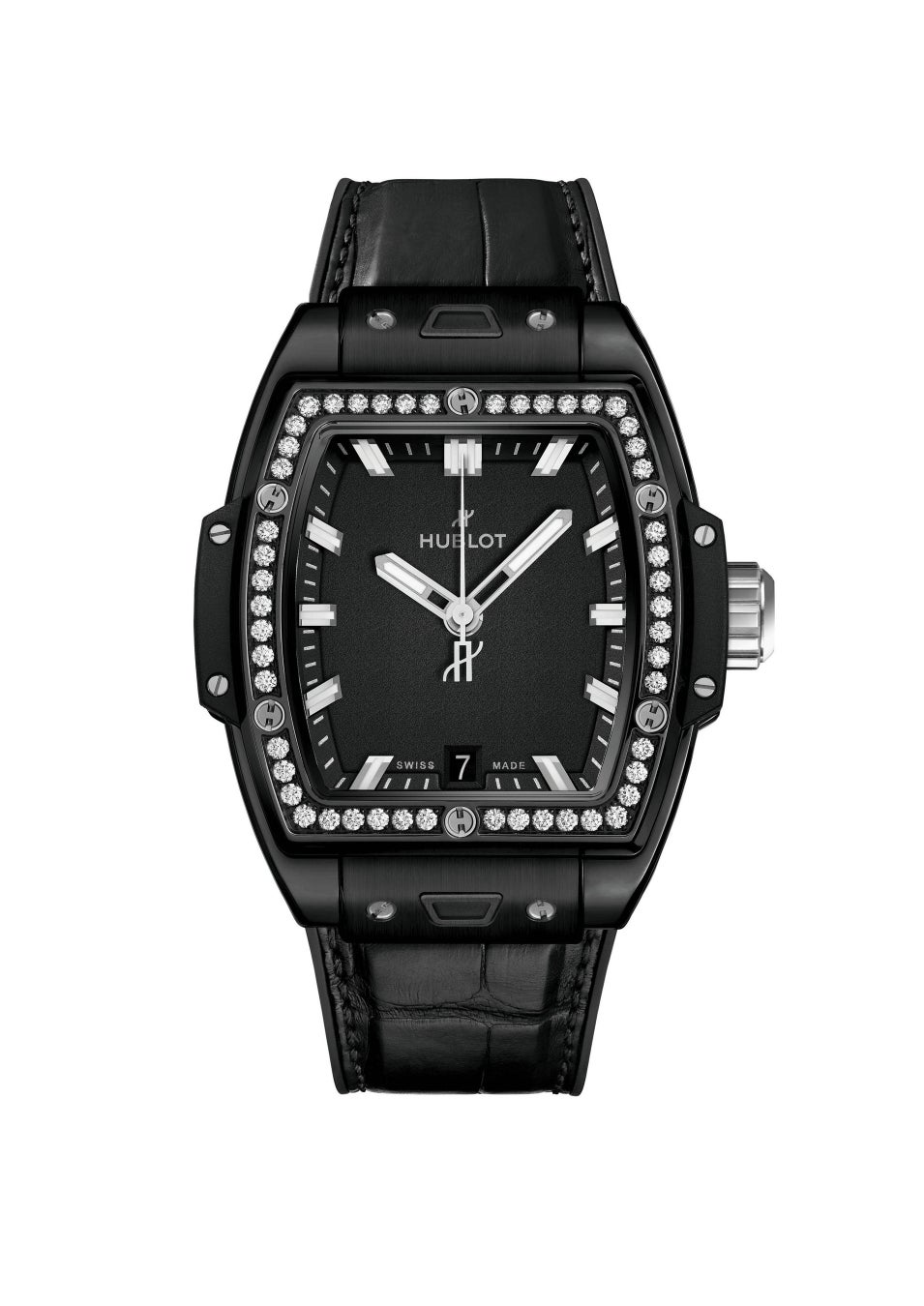
- Spain midfielder Alex Baena wearing a “Spirit of Big Bang Black Magic Diamonds”
- Ambassador Kylian Mbappé wearing the “Big Bang Reloaded Kylian Mbappé White Ceramic”
- Ambassador Patrick Mahomes wearing the “Big Bang 20th Red Magic”
- Luís Figo wearing a “Spirit of Big Bang Tourbillon 5-Day Power Reserve Sky Blue Ceramic”
- Didier Deschamps wearing a “Big Bang Reloaded Blue Ceramic”
- Coach Roberto Martínez wearing an “Aero Fusion Moonphase King Gold”
- Guillermo Ochoa wearing a “Classic Fusion FMF Titanium,” tied to the Mexico national team partnership
That mix matters because it frames the brand less as a single-athlete endorsement and more as a “seen in the inner circle” signal across the ecosystem of the sport: talent, leadership, and legacy figures.
How product storytelling shows up through specific models
The product naming here is doing a lot of work. Each mention anchors a specific watch to a recognizable person and moment, which is a useful shortcut when the product category is high-consideration and design-driven.
For example, the release positions Mbappé’s collaboration watch as a personal symbol, while other picks are framed through aesthetic cues (like “Sky Blue Ceramic” or “King Gold”) and technical status markers (like a tourbillon and multi-day power reserve). Even without pricing or specs, the narrative is clear: the watches are meant to be collectible signals, not generic accessories.
What this means for marketers
Sports marketing works best when it respects how fans actually consume the moment: through screenshots, close-ups, commentary clips, and hyper-specific details that become part of the story people retell.
- Build for the close-up, not just the logo
In tournament broadcasts, a watch is naturally framed in celebration shots and interviews. Products that “read” visually in tight shots can become recurring characters without heavy-handed branding. - Let talent carry meaning, but keep the product specific
Naming the exact model (and tying it to the person) turns an endorsement into a collectible narrative. It gives fans something concrete to look up, discuss, and remember. - Use multiple archetypes to widen credibility
Mixing players, coaches, and legends creates a “this is part of the world” feeling. It signals that the brand is present across roles, not only attached to one star. - Make identity the bridge between culture and commerce
The strongest line in this story is the idea that a timepiece can symbolise an athlete’s identity. That is the type of framing that makes luxury feel like culture, not just product.
When sports moments become global content cycles, brands do not have to force virality. They have to show up in the frame in a way that feels native to how fans watch, pause, replay, and obsess. The more the product can be read as part of an athlete’s “character,” the less it feels like an ad and the more it feels like canon.
Over time, this approach also turns sponsorship into an archive. Fans do not just remember who won. They remember the details that kept appearing when the stakes were highest, and that is where luxury positioning can quietly compound.