
Luxury fandoms do not just follow products, they follow people as signals. When a brand picks a global ambassador, fans read it like casting: what does this person represent, and what kind of story is the brand trying to step into?
In that context, FRED has named BTS’ Jin as its new global brand ambassador, describing him as a generational symbol whose personality aligns with the maison’s spirit. The company shared the update in an official brand announcement.
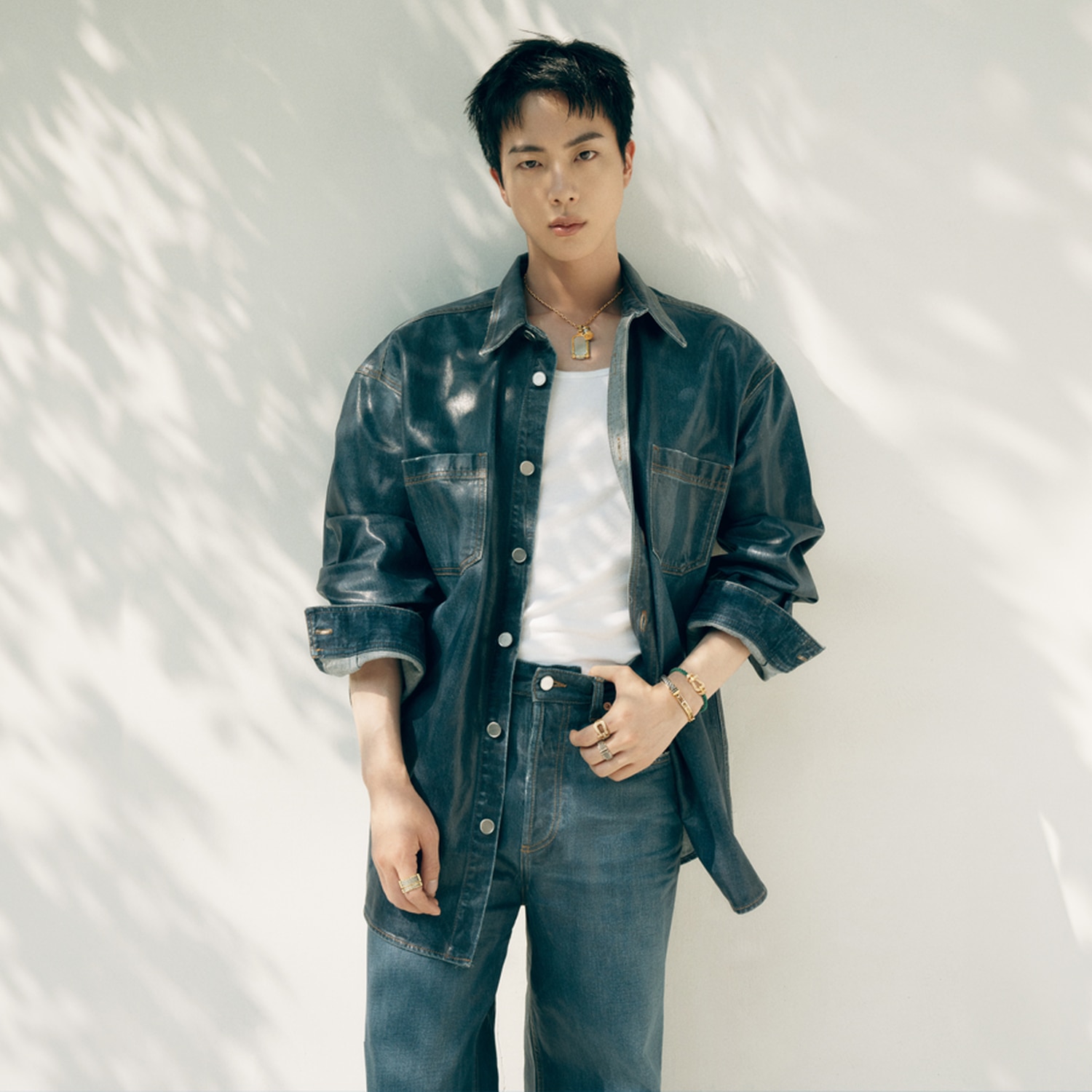
Table of contents
Jump to each section:
- Why ambassador announcements matter more in fandom-driven luxury
- What FRED is signalling with Jin as a “global” face
- How Force 10 storytelling fits the ambassador narrative
- What this means for marketers
Why ambassador announcements matter more in fandom-driven luxury
For fans, an ambassador title can feel like a long-term relationship, not a one-off ad. It suggests continuity: more appearances, more campaigns, and more “this person belongs in this brand world” moments.
That emotional reading is why ambassador news travels quickly. Even without a detailed campaign breakdown, the association itself becomes content, because people share what it “means” for the artist and the brand’s identity.
What FRED is signalling with Jin as a “global” face
FRED’s announcement frames Jin as an emblematic pop icon and a “generational symbol,” emphasizing personality traits like humor and positivity, plus a “casual chic” style that fits the brand’s modern and individual positioning.
For marketing readers, the notable move here is the direction of fit: the copy leans more on character and spirit than on status cues. That is a signal about the kind of luxury image being prioritized, where relatability and warmth can sit alongside heritage and craftsmanship.
How Force 10 storytelling fits the ambassador narrative
A related campaign context appears around FRED’s Force 10 line, which has been positioned as a signature collection (with origins tied to 1966) and symbolism around freedom and challenge, with design inspiration from nautical shackles. The same framing makes Jin’s ambassador role easier to extend into product storytelling: the person is not just “wearing jewelry,” but embodying a set of themes the brand repeats.
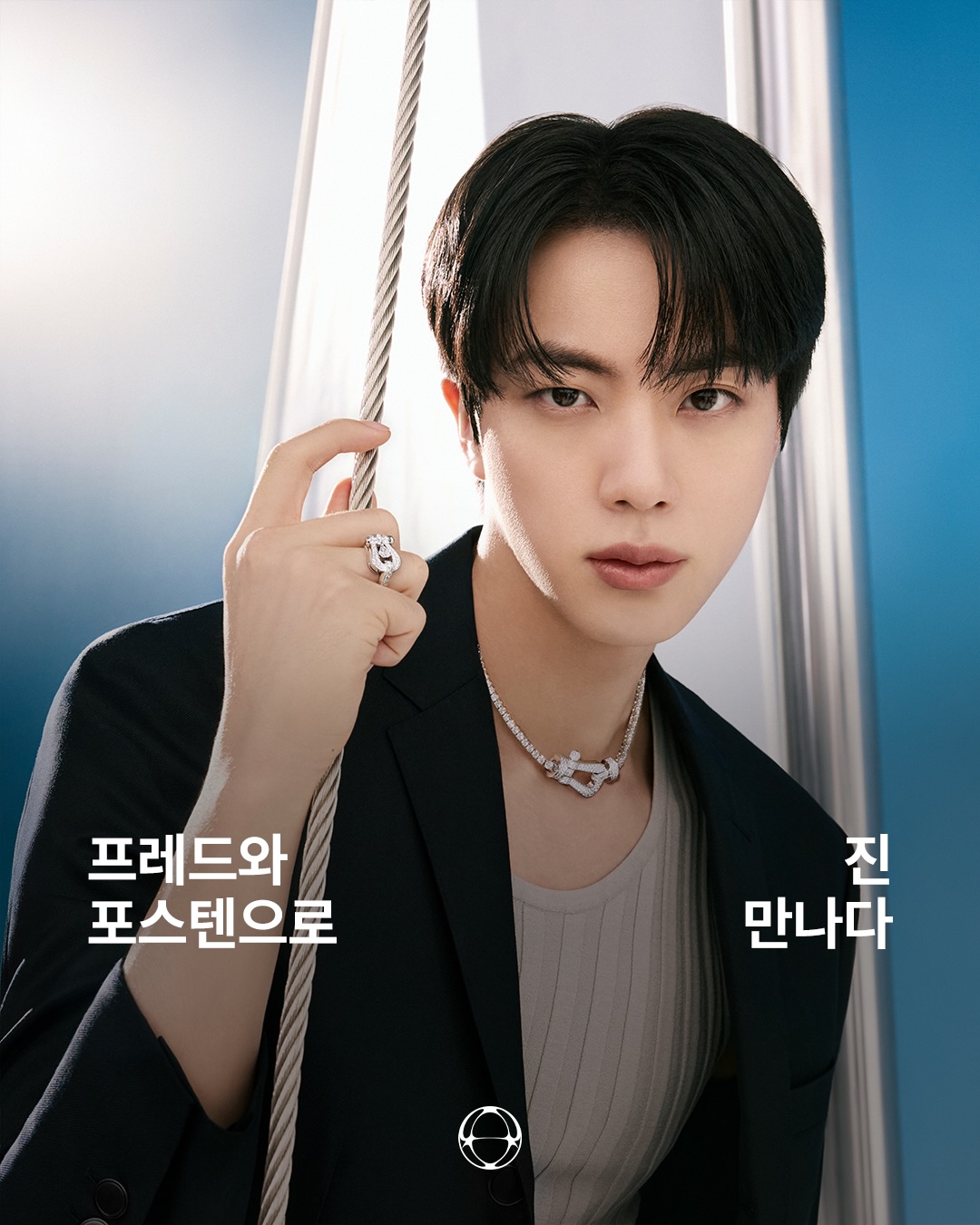
Even when audiences do not remember collection names, they remember vibes. “Freedom,” “challenge,” and a clean, modern look is the kind of narrative that can be re-used across multiple assets without feeling like hard selling.
What this means for marketers
Ambassador marketing is cultural marketing when the audience treats the talent as part of their identity. That is why the messaging has to feel consistent across personality, product, and platform, not just “premium.”
- A global ambassador is a continuity play, not a single campaign beat
The value is in repetition over time: more opportunities for fans to see the relationship evolve and feel real. - Personality-led luxury branding can travel further on social
Traits like humor and warmth are easier for online communities to clip, quote, and share than traditional luxury cues. - A signature collection gives the partnership a stable “home”
Anchoring the story to Force 10 themes provides a repeatable framework for future visuals and product moments. - Fit matters more than fame
The announcement language focuses on alignment with brand spirit and style, which is what fans look for when deciding whether a pairing feels authentic.
As luxury brands chase attention in social feeds, the challenge is not awareness, it is believability. Fans will decide quickly if the partnership feels like mutual admiration or a temporary sponsorship. Clear thematic alignment, repeated over time, is what turns an ambassador announcement into sustained cultural relevance.