
BTS’ Jin has been moving through a very specific kind of spotlight lately: the kind where the performance ends, but the camera language stays cinematic. That “stage presence, but make it editorial” energy is exactly what makes fans pay attention when he steps into fashion and luxury storytelling.
In that context, Jin appears on ELLE’s digital project cover, with a photo project tied to high jewelry brand FRED’s signature Force 10 collection. The details were outlined in ELLE Korea’s feature page, with the digital covers, photo story, teasing video, and fashion film set to be released through ELLE’s website and social channels.
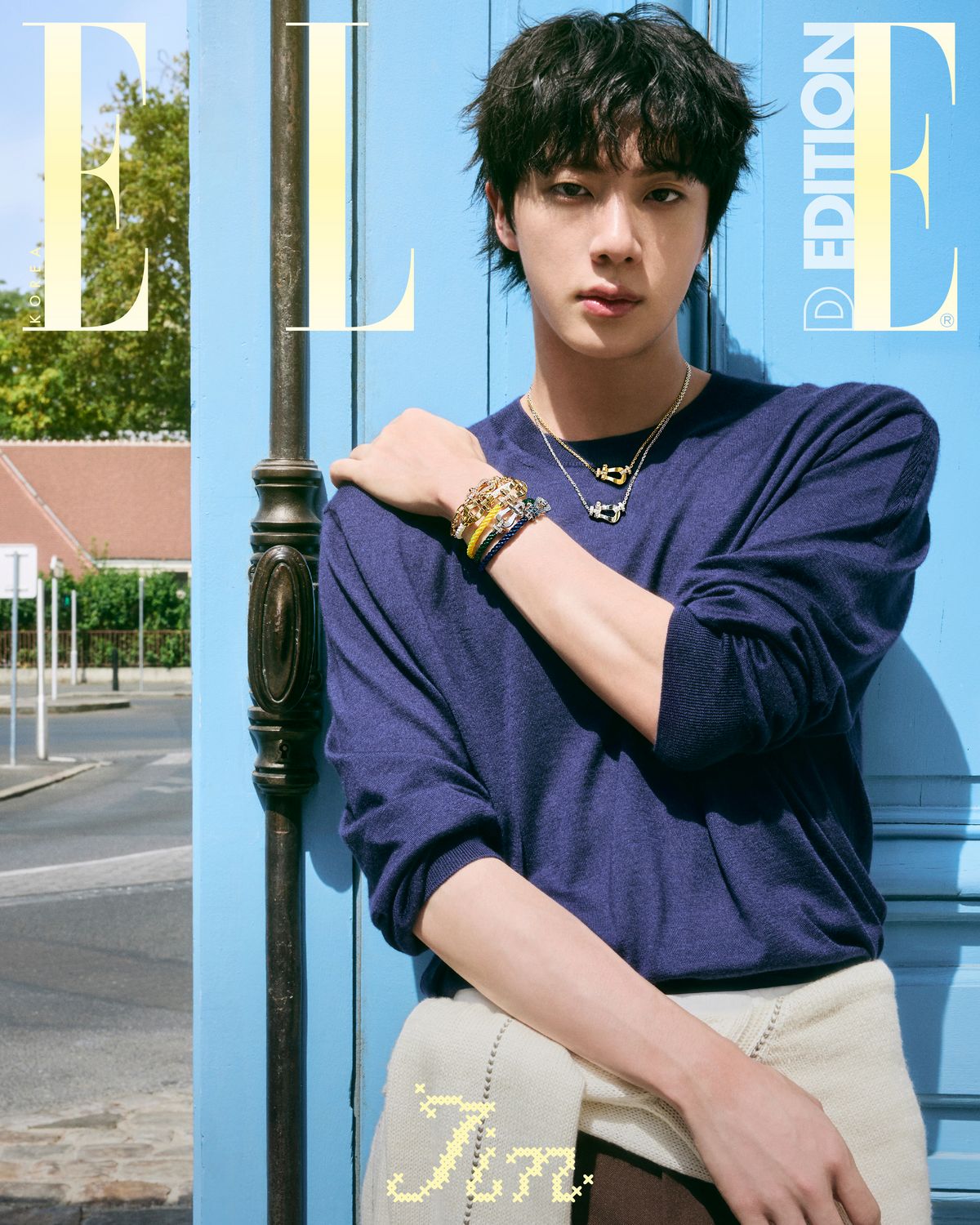
Table of contents
Jump to each section:
- Why this ELLE D-EDITION cover is built for web and social viewing
- How the FRED Force 10 story gets translated into a “film-like” editorial
- Why the product timing matters: Force 10 sliding necklace due in September
- What this means for marketers
Why this ELLE D-EDITION cover is built for web and social viewing
ELLE’s D-EDITION is designed for web and social audiences first, which changes the job of a “cover.” It is not only a magazine-front moment. It is a set of assets meant to travel as posts, clips, and links, with multiple cover versions (three, in this case) that can keep the visual conversation going.
That matters because fans do not experience celebrity fashion the way they used to. They experience it as a stream: a cover drop, then a teaser, then a film, then screenshots and saves. Packaging the project as digital-first content better matches how Jin’s audience already behaves online.
How the FRED Force 10 story gets translated into a “film-like” editorial
This project pairs Jin with FRED’s Force 10 line, a collection associated with ideas like courage, freedom, and taking on challenges. The shoot is set in a historic Paris château, and the creative framing leans into “quiet but dazzling,” describing Jin’s presence as something captured “like a film” rather than as a standard fashion spread.
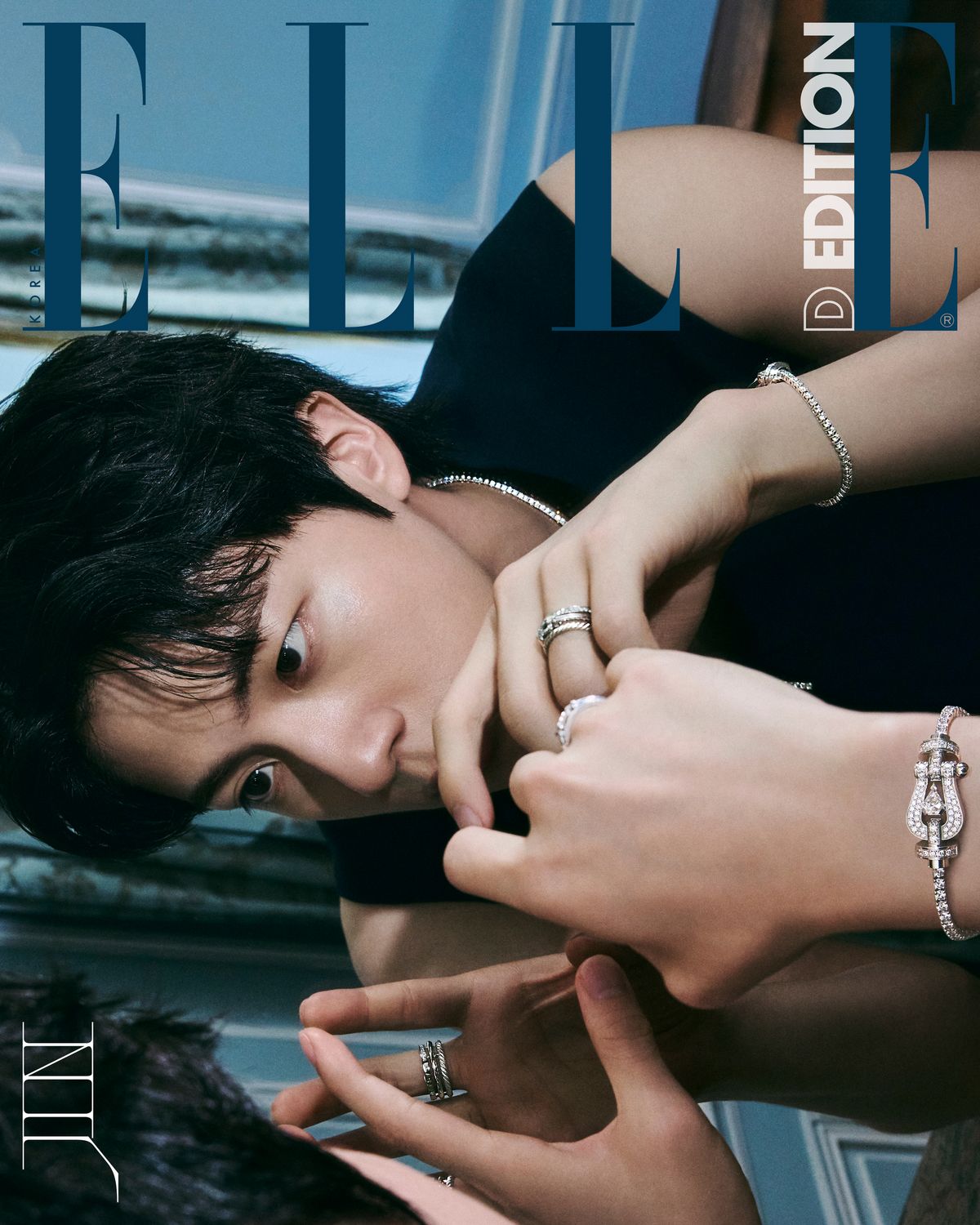
For marketing teams, the useful detail is not the location name-drop. It is what the location does: it gives the jewelry narrative a world to live in. When the styling is positioned as restrained and the environment does the dramatic work, the product reads as intentional, not overly “placed.”
Why the product timing matters: Force 10 sliding necklace due in September
The story includes a clear product signal: Jin wears the Force 10 sliding necklace, with a launch slated for September. In luxury storytelling, that kind of timing cue is the bridge between editorial desire and purchase intent, especially when the campaign assets are released across ELLE’s site and social platforms.
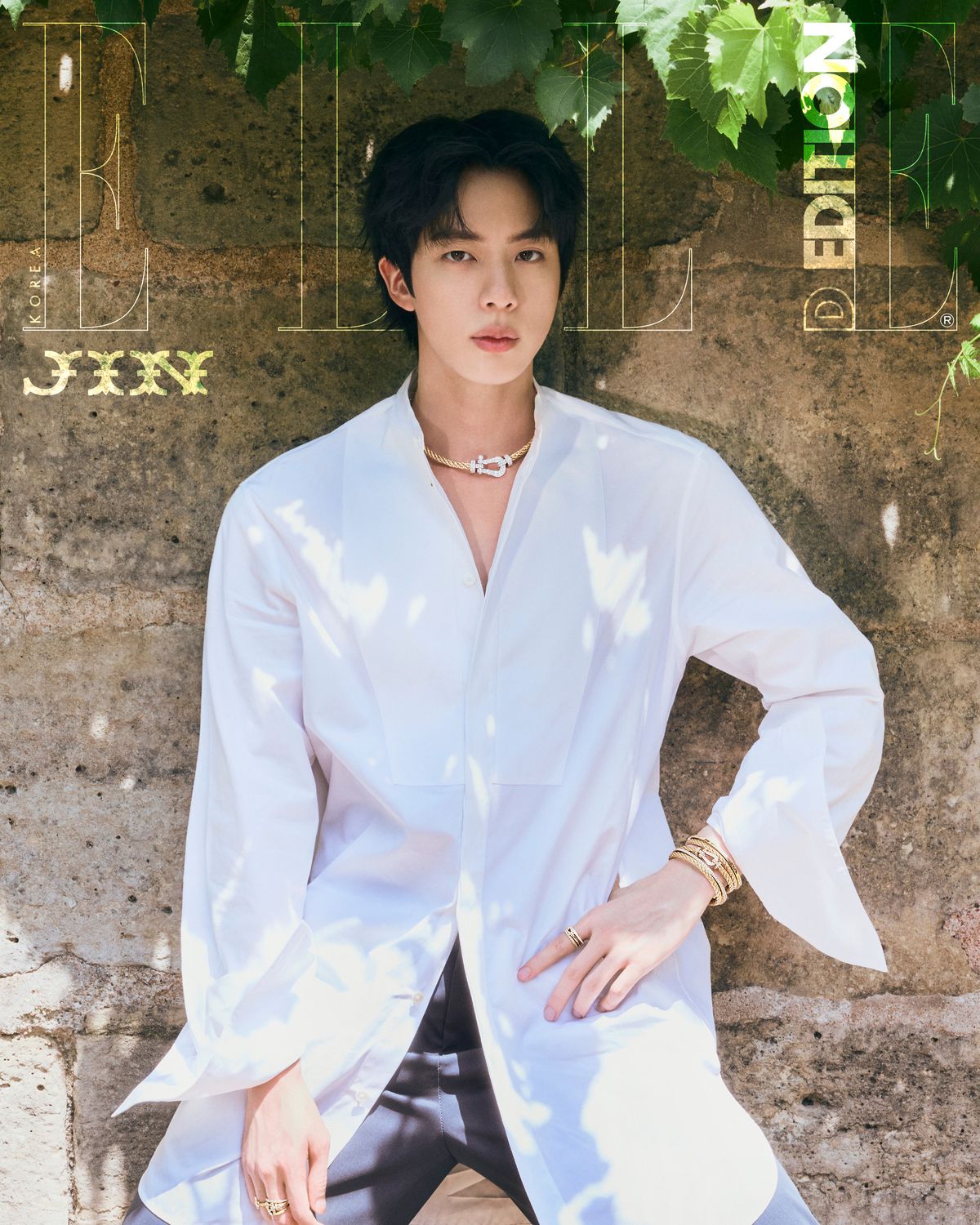
It also helps explain why brands still invest in big, cinematic shoots even in a short-form era: the same images can feed multiple formats (covers, galleries, teasers, film stills) while keeping the product name and release window consistent.
What this means for marketers
Celebrity editorials work best when they feel like a moment fans want to live inside, not a message they are being asked to accept. This project is a clean example of that approach: build a world, let the talent’s persona carry the mood, and let the product arrive naturally.
- Digital-first “cover” thinking creates more usable campaign inventory
Three covers plus a digital photo story and film assets give teams more variations to distribute without changing the core concept. - Mood is doing the persuasion, not copy
A château backdrop and “film-like” framing make the jewelry feel like part of a narrative, which is often more effective than direct product-forward messaging for luxury. - Fans follow sequences, not single drops
Teasers, films, and web galleries match the way fandom attention unfolds across days, not minutes. - A launch window turns editorial into commerce without forcing it
Mentioning the September release gives interested viewers a next step, while keeping the editorial tone intact.
Luxury marketing keeps moving toward content that looks and feels like culture, because that is where attention lives. When the audience is already primed to screenshot, save, and share, brands get more value by designing the campaign as a chain of moments, not a one-time announcement.