
The windows start rattling. Five friends are tucked away in a snowy cabin, dressed for the holidays, when a towering creature appears outside. It looks like the beginning of a monster movie. Then someone throws the intruder a red sweater.
That is the joke at the heart of Levi’s new Christmas film, Let’s Get Fuzzy. The creature, a mythical yeti affectionately named Gus, goes from feared outsider to welcome guest. Instead of a glossy sweater montage, Levi’s has made a miniature holiday horror story where the clothes help bring the characters together.
The approach is particularly suited to the season. Christmas films already have their own visual language, all snow, glowing windows and cheerful reunions. Levi’s borrows that warmth but makes viewers sit through a little creature-feature suspense to get there.
Table of contents
Jump to each section:
- A snowy cabin becomes a tiny Christmas horror film
- The fuzzy world was made one frame at a time
- The story makes room for sweaters beyond denim
- The clay creatures revisit Levi’s advertising history
- What marketers can learn from a fuzzy horror story
A snowy cabin becomes a tiny Christmas horror film
The official film starts with people spending the holidays in a remote, snowbound cabin. An enormous yeti arrives, and the piece leans into the kind of scares associated with horror movies: ominous windows, frantic reactions and a creature bursting into a supposedly safe space.
The payoff changes the mood. The monster is not actually the enemy. Gus just wants to belong, and a soft sweater gives the friends a way to welcome him. The product is the turn in the story, rather than a fashion item added after the plot has ended.
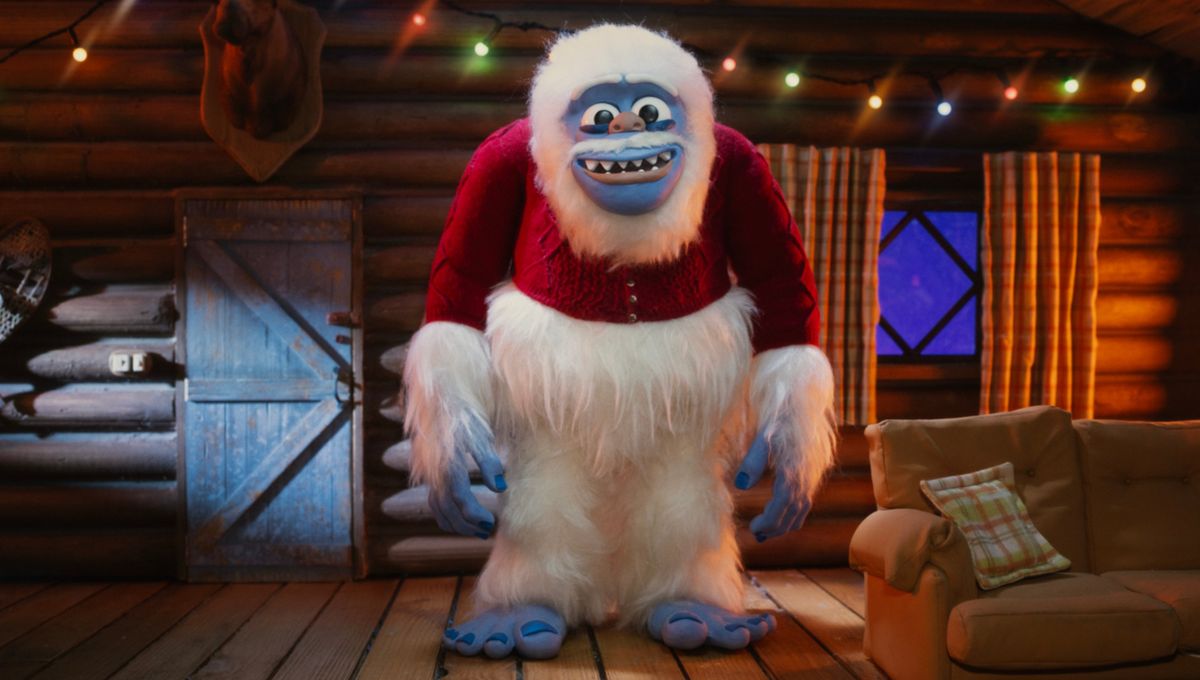
Campaign still: Levi’s / Blink-Blinkink, via Little Black Book.
The contrast is deliberate. In a behind-the-work interview, directing duo Stevie Gee and Essy May said the original brief centered on warmth and fuzziness. They explored 14 scripts, including other creature-driven concepts, before choosing the Fuzzyeti storyline. Their horror reference points included The Evil Dead and the more playful Christmas scares of Gremlins.
The fuzzy world was made one frame at a time
The sweaters look unusually touchable because, in miniature, they really are. The animation team used tiny versions of Levi’s outfits, with scaled-down jeans and Red Tabs, and worked the wool as it was photographed frame by frame. That small movement gives the fabric a living, slightly restless quality.
More than 2,000 build hours, 400 handmade trees and three miniature cabins. These production figures come from the directors’ interview with Little Black Book.
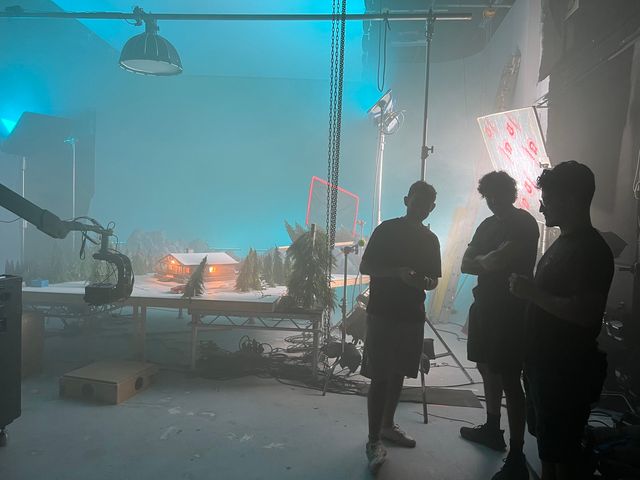
Behind the work: a production image published by Little Black Book.
The build also had to survive the monster. For the wall-breaking scene, the set team divided the cabin wall into 26 rigged sections so Gus could crash through it in-camera. The team made separate versions of a sofa to show the weight of the yeti sitting down. These are the kind of changes that digital animation can conceal, but here the physical process becomes part of the film’s personality.
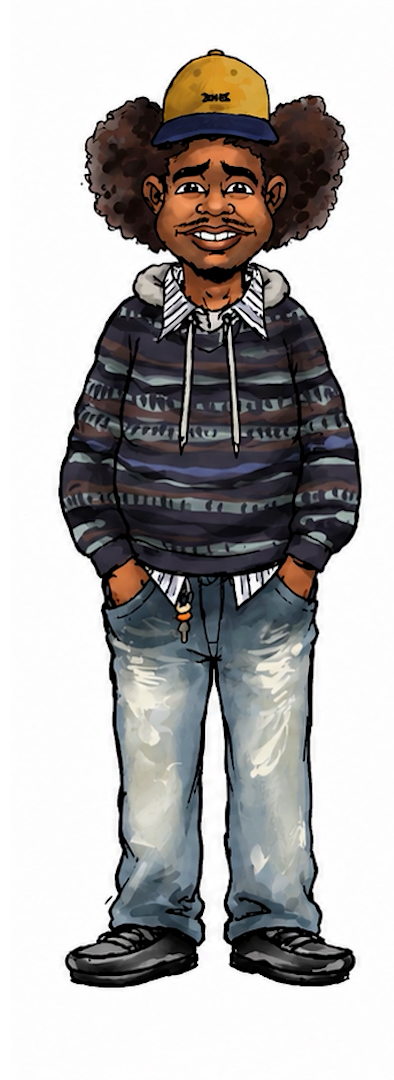
Production sketch from the directors’ behind-the-work feature.
Levi’s says filming each second of animation required four hours. That commitment matters beyond the impressive production total. The campaign needs the audience to notice the texture of a sweater, and the medium makes texture hard to ignore. The craft is doing the product demonstration without stopping the story for one.
The story makes room for sweaters beyond denim
Levi’s has an unusually recognizable denim identity. That is useful when selling jeans, but it also creates a challenge when the brand wants shoppers to think of knitwear, fleeces, thermals and other layers.
Let’s Get Fuzzy makes the sweater a central prop, not an optional styling accessory. The holiday collection includes the Charlotte Crewneck Cardigan and Ava Quarter-Zip Sweater for women, alongside the Presidio Crew and Miles V-Neck for men. The brand pairs these with familiar denim silhouettes and other cold-weather pieces.
Kenny Mitchell, Levi’s global chief marketing officer, described the film as a celebration of human creativity and said the campaign supports the brand’s ambition to grow across categories. The worldwide rollout began November 2 across Levi’s digital and retail channels. Select Levi’s Tailor Shops are also offering fuzzy embellishments and holiday personalization, extending the visual idea into something customers can make their own.
That is the clever connection between the character and the merchandise: a fuzzy outsider becomes a guest because someone offers him a sweater, and the campaign gives shoppers the same material cue when they see or customize the clothes.
The clay creatures revisit Levi’s advertising history
There is another layer to the medium. Levi’s links the 2026 film to its 1995 Clayman commercial, which the company identifies as the first full-length commercial made entirely in Claymation. Gus is new, but the technique recalls an earlier moment in the brand’s advertising history.
It is not the only fashion label using visibly handmade animation this holiday season. Prada’s 2026 film puts hand-drawn animals into live-action scenes alongside familiar actors. The films have very different moods, but both make the labor and materials of animation part of their visual identity, instead of disguising them behind seamless computer imagery.
For Levi’s, the connection is especially direct. A physical film about a tactile product can make the softness and movement of fabric feel like something worth lingering on. The viewer may remember the monster, but the knitwear is what makes the story resolve.
What marketers can learn from a fuzzy horror story
This campaign makes a useful case for letting a genre do the heavy lifting. The product remains visible without every frame feeling like a product shot.
- Make the merchandise essential to the plot. Gus’s transformation depends on the sweater. Remove that item and the emotional punchline disappears.
- Use material qualities as storytelling tools. Here, knitted texture is not a decorative background. Stop motion turns the fabric’s fluffiness into a visible part of each character’s movement.
- Let brand heritage inform the format. Returning to Claymation gives the holiday film a plausible connection to Levi’s advertising past, even as the brand introduces a new character.
- Carry the visual idea into shopping. The film establishes a distinct fuzzy world; the clothing collection and selected in-store personalization give that concept a route into retail.
The campaign’s creative impact is visible in the film, but no verified sales lift or brand-effectiveness result has been disclosed. The production does not prove that handcrafted work automatically outperforms faster methods.
What it does show is how a brand can turn a familiar holiday promise into a memorable scene. A terrifying yeti is a strange way to introduce winter sweaters. That strangeness is precisely why the red sweater has something interesting to do.
