Marketing for plumbing rarely fails because ads are bad. It fails when the path from lead to paid job is messy.
A campaign can drive calls from Google Business Profile, Local Services Ads, and marketplaces, yet ROI still looks weak when follow-up is slow, scheduling changes are handled manually, and quotes arrive after the prospect has already moved on.
That gap is relevant for marketers because it creates false signals. Leads look low quality when the real issue is response speed. Channels get paused even though they brought high-intent demand.
Where marketing ROI leaks in the lead-to-job handoff
Small plumbing teams lose money in ways that show up directly on a marketing dashboard. A lead calls, nobody answers, and the voicemail never gets returned. A form comes in from a campaign landing page, and it sits until the customer calls another company that responds faster.
A job is booked with vague notes, so the tech arrives without the right parts and needs a second visit. That second visit is not “extra service.” It is margin lost and calendar capacity burned. Then the invoice goes out late, so cash flow stretches, and marketing has less flexibility to spend when demand is strong.
This is why marketers cannot treat operations as someone else’s problem. The handoff after the click decides whether a lead turns into a booked job, a paid invoice, and a review. If the lead source is missing at intake, spending gets judged on vibes instead of facts. If follow-up lives in random texts and inboxes, even good channels start looking unstable.
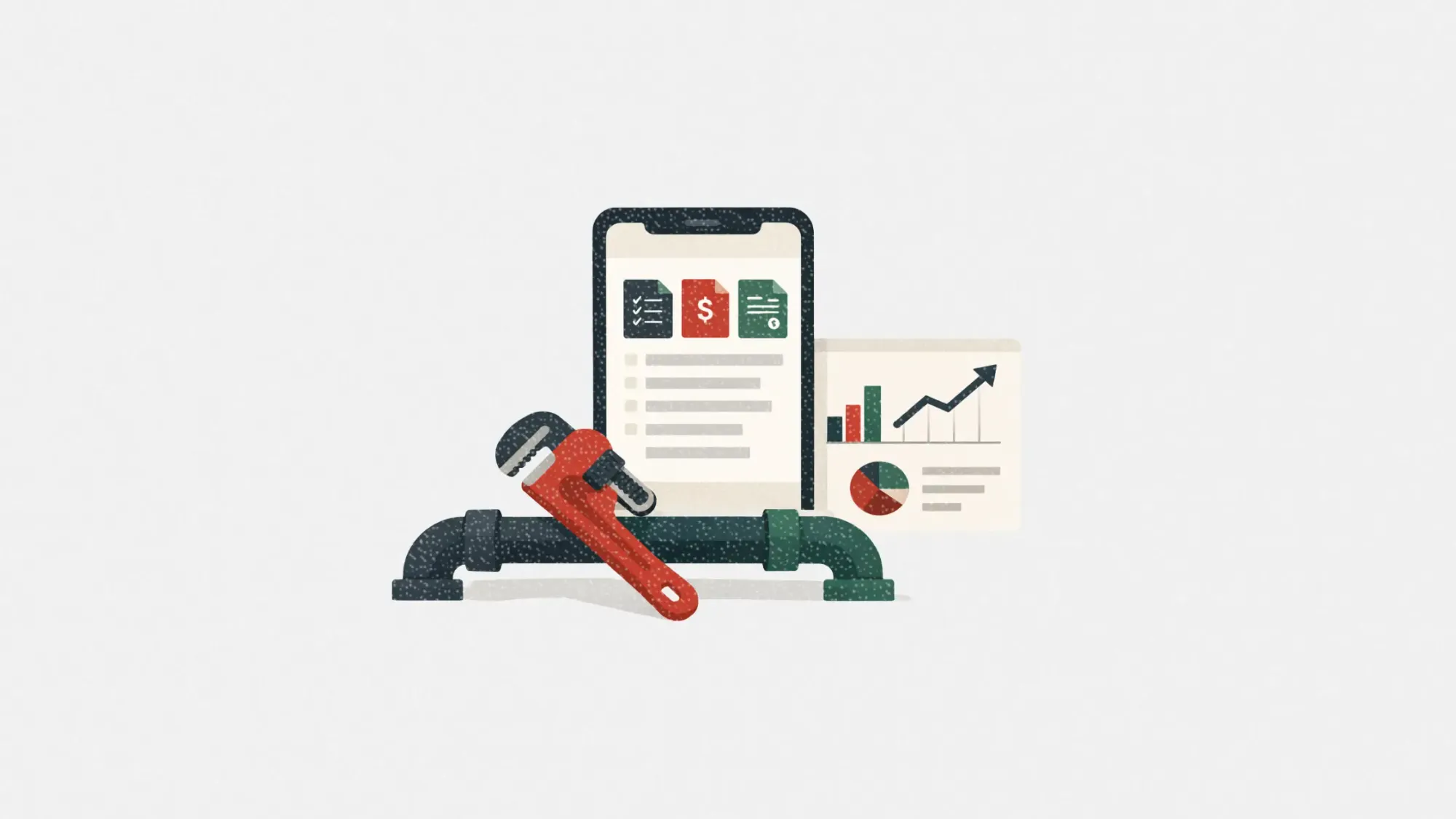
When the same job record stays together from the first call to payment, with customer info, notes, quotes, and invoices handled through Tofu plumbing software, fewer leads slip away in the middle, so performance reflects demand rather than delays.
A lead capture system that gives marketing clean signals
Marketing teams need structure that does not depend on someone remembering details at the end of a long day. Intake should collect a few basics every time: the problem described in everyday language, address, access notes, urgency, and the contact method the customer answers fastest. That is operations value, but it is also marketing value because it turns each lead into trackable demand instead of a random call log.
The best setup captures the source without friction. Calls from Google listings, paid ads, directories, and referral links can be tagged at intake. Forms should pass UTM information into the same record where notes and photos live.
When the field team sees the job record on a phone, the lead is less likely to get lost in personal texts, scattered inboxes, or sticky notes on a dashboard. That creates a clean loop: marketing can see which channels create booked jobs. Operations can see what the customer asked for. Leadership can see where revenue is coming from without debate.
A mobile-first hub also helps segment demand. Emergency jobs, maintenance, and remodel work behave differently. They close at different speeds, and they produce different lifetime value. When intake is consistent, campaigns can be built around those realities instead of pushing one generic message to everyone.
Follow-up speed that improves conversion without feeling spammy
In home services, speed wins because people reach out while the problem is stressing them out. The process should make it easy to reply right away, whether the lead comes in by phone, text, or a quick form. Marketing can help by writing short replies that sound like an actual person. The bigger payoff is simple: the follow-up lands while the customer is still ready to book.
Scheduling is where this gets real. Plumbing calendars change constantly. A quick repair turns into a longer job. A part is delayed. A property manager calls with an urgent issue.
If reschedules trigger confusion, customers lose trust and drop off. If the schedule updates automatically and notes stay attached to the job record, fewer minutes get burned on explanations and rework. That helps marketers too because it improves show rate and reduces wasted spend on leads that booked, then canceled due to poor communication.
Two moments that tend to lift conversion without extra ad spend
The first moment is the gap between lead capture and first clear response. A fast, specific reply that confirms the issue and proposes a time window usually performs better than a vague “we will get back soon” message.
The second moment is the period right after the visit when the customer is ready to decide. If the quote arrives while the problem still feels urgent, approval tends to come faster. If it arrives later, the job competes with other expenses, and the lead goes cold.
Estimating and invoicing as part of the marketing experience
Marketers often think of brand experience as ads, landing pages, and reviews. Customers see it differently. The estimate and the invoice are part of the brand. If an estimate looks inconsistent, slow, or unclear, trust drops even when the work quality is great. A mobile-first workflow that keeps estimates inside the job record helps the business move faster without losing professionalism.
Estimates work better when they are consistent in structure and easy to understand. Standard line items, steady labor rules, and plain descriptions reduce friction at approval time. Photos and notes connected to the job help explain why work is needed without turning the estimate into a long essay. When pricing and scope are clear, fewer prospects stall. That directly affects conversion rate and average ticket size, which are marketing outcomes in the same way click-through rate is.
Invoices also matter because they influence reviews and referrals. When invoices are delayed, the moment for a review request often passes. When payment is collected smoothly and the job is closed cleanly, asking for a review feels natural rather than awkward. Review velocity then supports brand visibility in local search, and marketing has an easier time maintaining lead volume without constantly increasing spend.
Actionable takeaways marketing teams can apply this quarter
A marketing angle becomes real when it turns into steps that can be implemented without a full rebuild. These are practical moves that work with a mobile-first workflow and translate into measurable outcomes.
- Build intake fields that capture lead source and job type, then report booked rate by source each week
- Use short follow-up templates for missed calls and form fills, and keep the same tone across channels
- Align campaign messaging with job type. Emergency intent and planned upgrades should not share the same promise
- Trigger review requests from the closed-job moment, not days later, and route the link through the same workflow
- Set a simple reactivation rhythm for past customers based on service type, so retention is planned rather than accidental
- Tie quote turnaround time to campaign performance reviews, because slow quoting makes channels look worse than they are
This is campaign work and operations work in the same sprint. When the workflow supports it, marketing can improve ROI without hunting for a new channel every month.
Retention, reviews, and repeat work without adding more admin
Retention is where marketing margins get easier. A plumbing business that wins repeat customers does not need to buy every job twice. A mobile-first record of customer history helps here, but only if the history stays useful.
Notes that matter are the ones that make the next visit smoother: shutoff locations, access quirks, what was replaced, and what the customer cared about last time.
That reduces repeated explanations and improves customer satisfaction. It also gives marketing permission to run smarter lifecycle campaigns because the messages can match the customer’s real context.
Leave a Reply