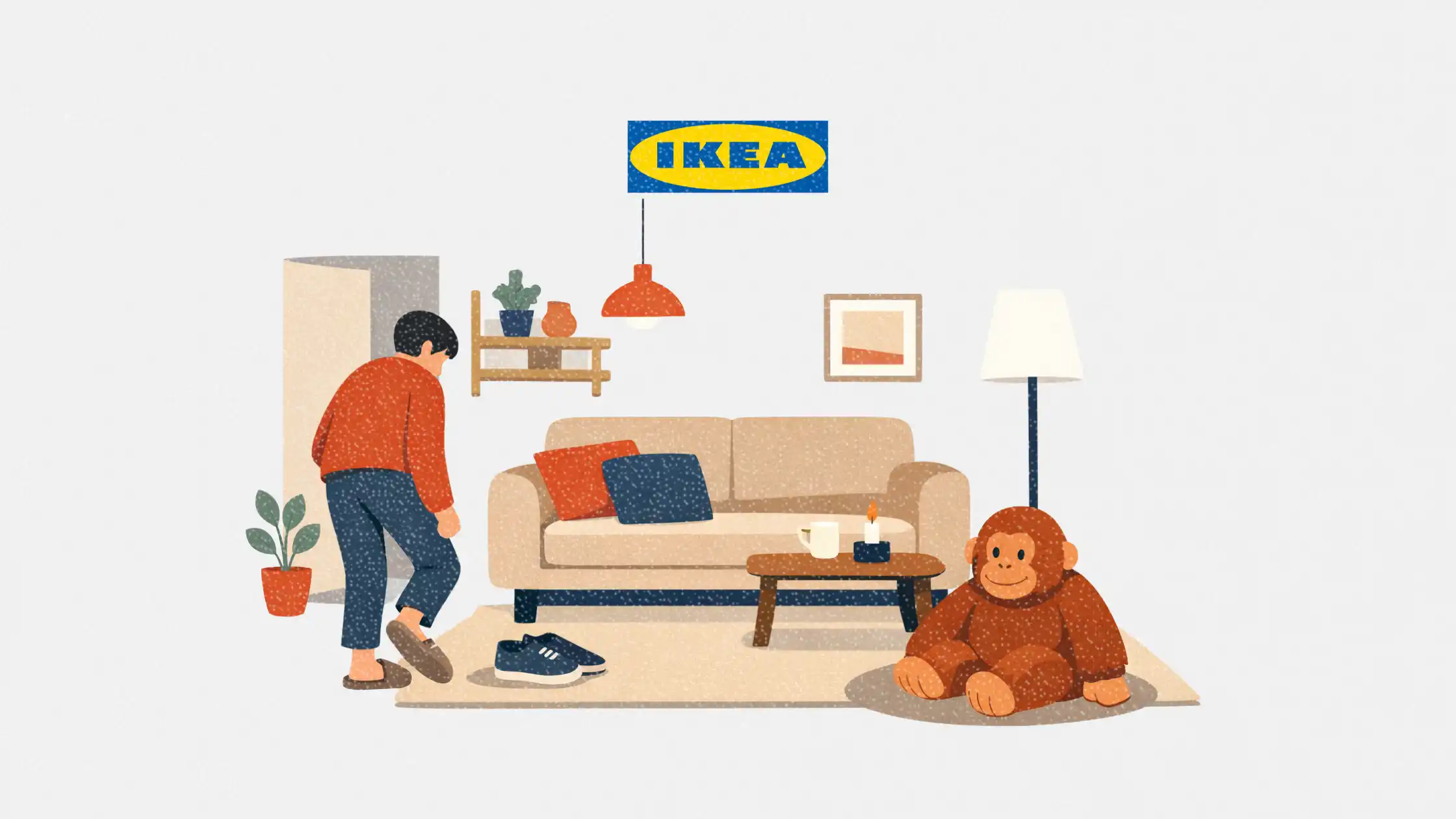
IKEA Retail has launched a new global campaign that taps directly into one of the most universal human experiences: the emotional journey of returning home. Titled “Coming Home,” the cinematic spot brings to life the anticipation and relief that defines that moment, positioning IKEA not just as a furniture brand, but as a facilitator of emotional comfort.
This article explores how IKEA’s campaign repositions the brand’s value through emotional resonance, why the approach matters in an increasingly cluttered brand landscape, and what lessons marketers can take away from both the campaign and an unexpected viral moment involving one of its plush toys.
Short on time?
Here’s a table of contents for quick access:
- Inside IKEA’s new global campaign
- Why emotional storytelling works—when done right
- What marketers should know
 Atikah Amalia
Inside IKEA’s new global campaign
IKEA Retail, part of the Ingka Group, has rolled out a new global brand campaign developed with McCann and its in-house team. The effort is grounded in a simple yet powerful insight: there’s no feeling quite like home.
At the heart of the campaign is a film titled “Coming Home,” directed by Justyna Obasi and produced by ANORAK Film. Set to a heartfelt rendition of Carole King’s Home Again, performed by indie artist Lucy Dacus, the film captures quiet, relatable moments of people returning home—from tired parents to solo commuters. IKEA leans on subtle but unmistakable visuals to highlight the feeling of arrival: shoes coming off, sighs of relief, hugs, and familiar lighting.
The campaign draws on data from IKEA’s Life at Home report, which reveals that two-thirds of people globally view their home as a source of joy. According to IKEA Global Chief Marketing Officer Vincenzo Riili, the campaign is a reminder that creating that feeling shouldn’t be exclusive or expensive. “We hope the film inspires people to shape spaces that support what matters most, in ways that are accessible to everyone,” he said.
The campaign will first launch in South Korea, China, and Belgium before expanding to more markets in 2026.
Why emotional storytelling works when done right
By focusing on the emotions tied to homecoming, IKEA is doubling down on brand intimacy—a sharp contrast to many of today’s performance-driven, transactional campaigns. This campaign doesn’t push product specs or discount tags. Instead, it positions IKEA as an emotional ally in the consumer’s life, delivering not just physical goods but also psychological comfort.
This isn’t IKEA’s only brush with emotionally charged virality. In an unrelated but timely episode, an orangutan plush toy from IKEA went viral in Japan after a baby macaque named Punch was filmed clinging to it. No campaign. No paid boost. Just raw, human emotion playing out online.
 Patrecia Meliana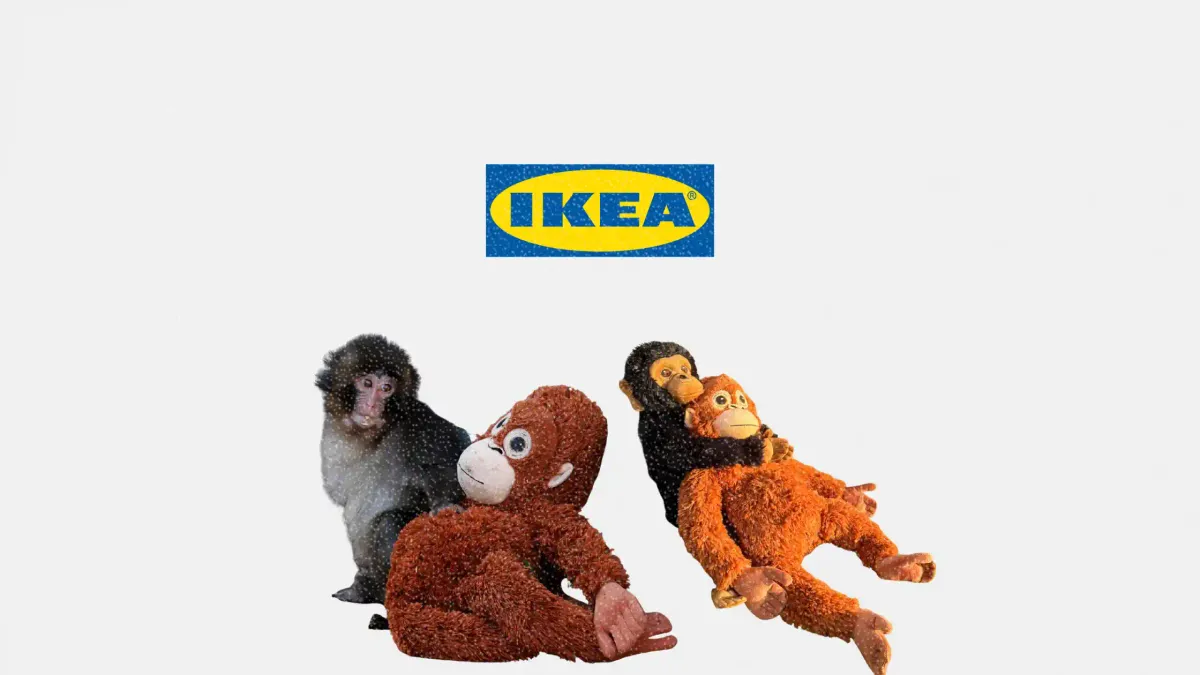
The plush toy sold out in several markets after the clip spread on social media, with observers noting that brands can’t manufacture virality—but they can prepare for it. According to industry experts cited in MARKETING-INTERACTIVE, the most effective brand responses in such cases are subtle: make the product available, acknowledge the moment, and let the story breathe without forcing it into a sales funnel.
 Atikah Amalia
What marketers should know
Here’s what marketing teams can take away from IKEA’s emotionally intelligent campaign strategy:
- Emotion is the new conversion funnel
IKEA isn’t trying to close a sale in the ad. It’s closing the emotional gap between people and their space. For B2B or B2C brands alike, that kind of depth is what builds brand equity.
- Campaigns rooted in real insights last longer
IKEA’s use of its Life at Home report data isn’t just for optics. By aligning its creative direction with consumer research, the brand ensures strategic and cultural relevance.
- Prepare for organic moments
The viral macaque incident may seem random, but it highlights the need for infrastructure and culture readiness. Marketers should ensure their teams can respond quickly, stock can scale, and comms can pivot when unplanned attention arrives.
- Universal truths travel across markets
Emotional universals—like the relief of coming home—transcend borders. If you’re planning regional expansions or multi-market campaigns, building around shared human experiences can provide cohesion without losing local resonance.
IKEA’s “Coming Home” campaign is a masterclass in how brands can embed themselves emotionally into people’s lives without resorting to sentimentality or overt selling.
As marketers chase performance metrics, this campaign reminds us that long-term brand love often starts with something simple: being part of a moment that truly matters.


Leave a Reply