AI is no longer confined to backend optimization or audience targeting. It is now actively shaping the creative layer of marketing, influencing how campaigns are imagined, produced, and experienced.
For marketers, the goal is not to copy these campaigns, but to understand how AI changes the rules of creative strategy.
This article explores 12 real AI marketing campaigns, not just to showcase what’s possible, but to break down what actually worked, what didn’t, and why.
Short on time?
Here’s a table of contents for quick access:
- AI as the creative concept not just the tool
- AI as a production engine for content and campaigns
- AI for personalization and scalable storytelling
- What marketers should know about AI-driven campaigns
 Patrecia Meliana
AI as the creative concept not just the tool
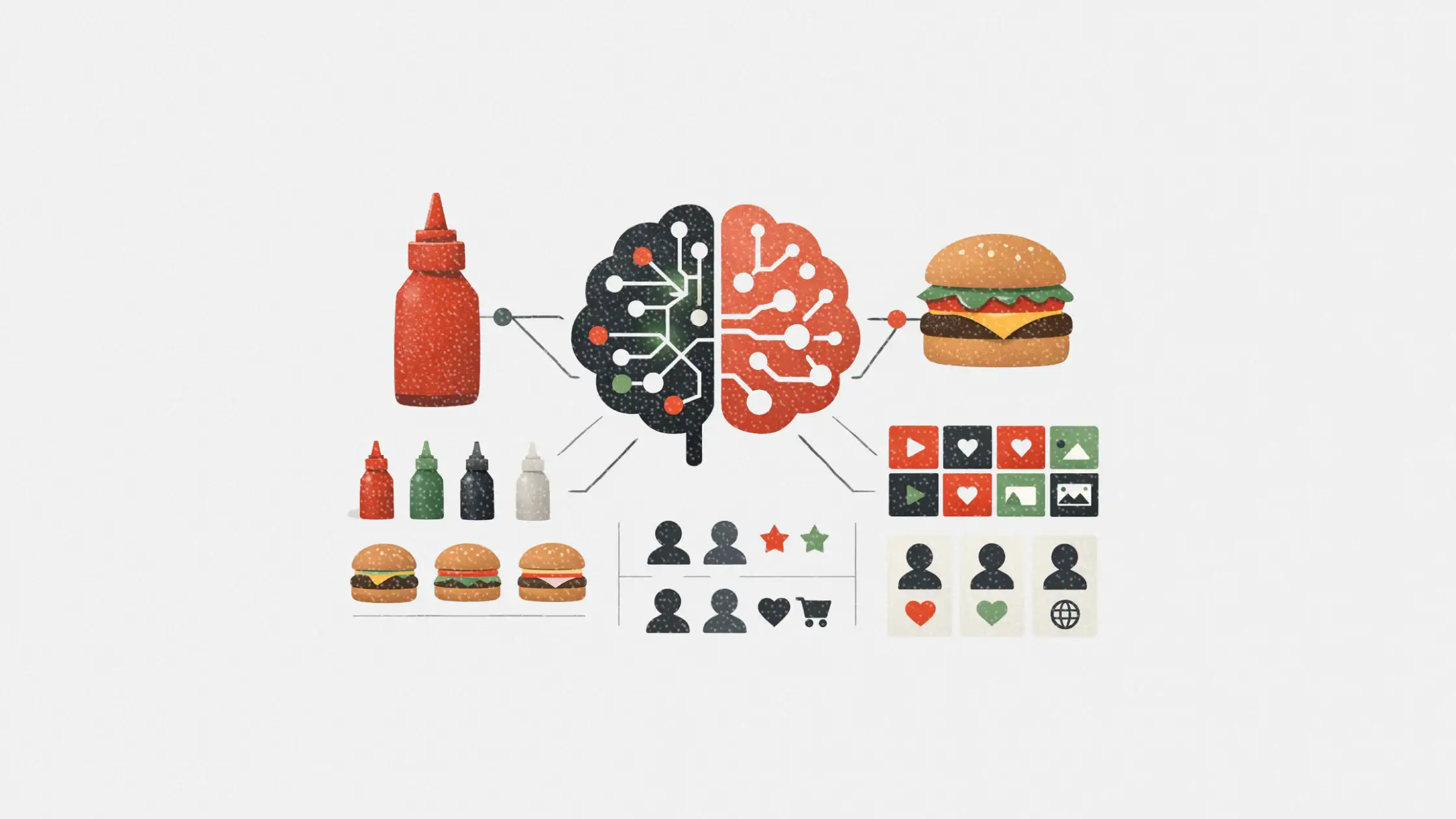
1. Heinz: “AI ketchup” campaign
What they did: Heinz used image generators like DALL·E to create visuals of “ketchup.” Most outputs resembled Heinz bottles.
What worked:
- AI became the insight, not just the tool
- Instantly understandable concept
- Highly shareable
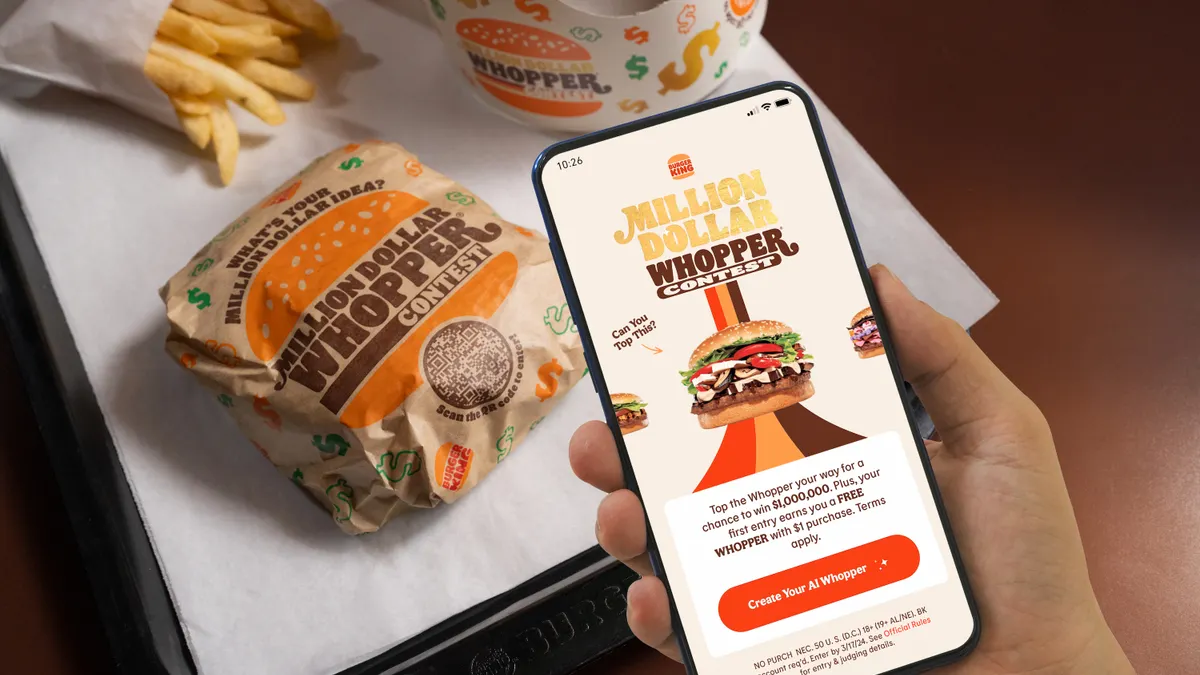
2. Burger King: Million Dollar Whopper AI campaign
What they did: Burger King invited consumers to create custom Whoppers via its app or microsite, using generative AI to turn each idea into a visual, video, and custom jingle.
What worked:
- Turned AI into a co-creation tool
- Scaled user-generated content with AI
- Highly shareable, personalized outputs
- Connected digital creativity to real product rewards
3. Samsung: “AI feel human” comics campaign
What they did: Samsung used AI to generate comic-style stories focused on human emotions.
What worked:
- Humanized AI through storytelling
- Differentiated format
- Emotional positioning over technical
Pattern: In these campaigns, AI is not invisible. It is the idea itself.
 Patrecia Meliana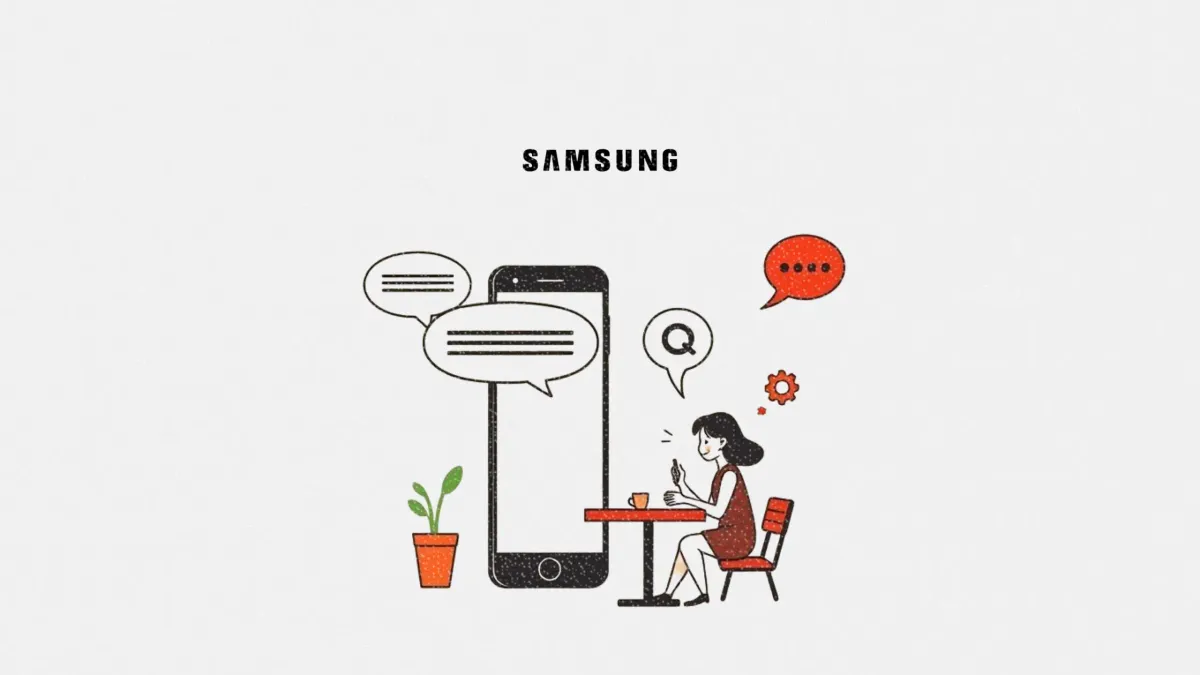
AI as a production engine for content and campaigns
4. Volvo: “Come Back Stronger” AI-generated ad
What they did: Volvo used MidJourney, Runway, and ChatGPT to generate visuals and narrative.
What worked:
- End-to-end AI production
- Maintained strong storytelling
- Showed new creative workflows
 Atikah Amalia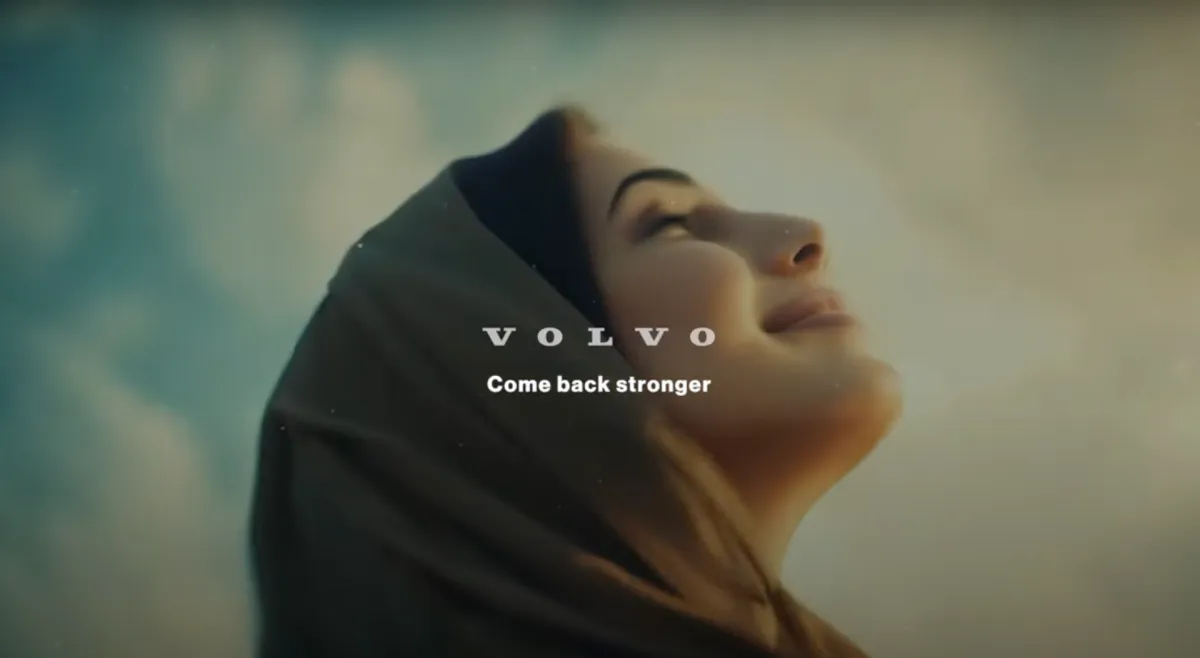
5. Valentino x Vans: AI-generated fashion campaign
What they did: Valentino replaced traditional photography with AI-generated visuals.
What worked:
- Unique, surreal visual identity
- Faster production cycles
- Reinforced experimental brand image
 Patrecia Meliana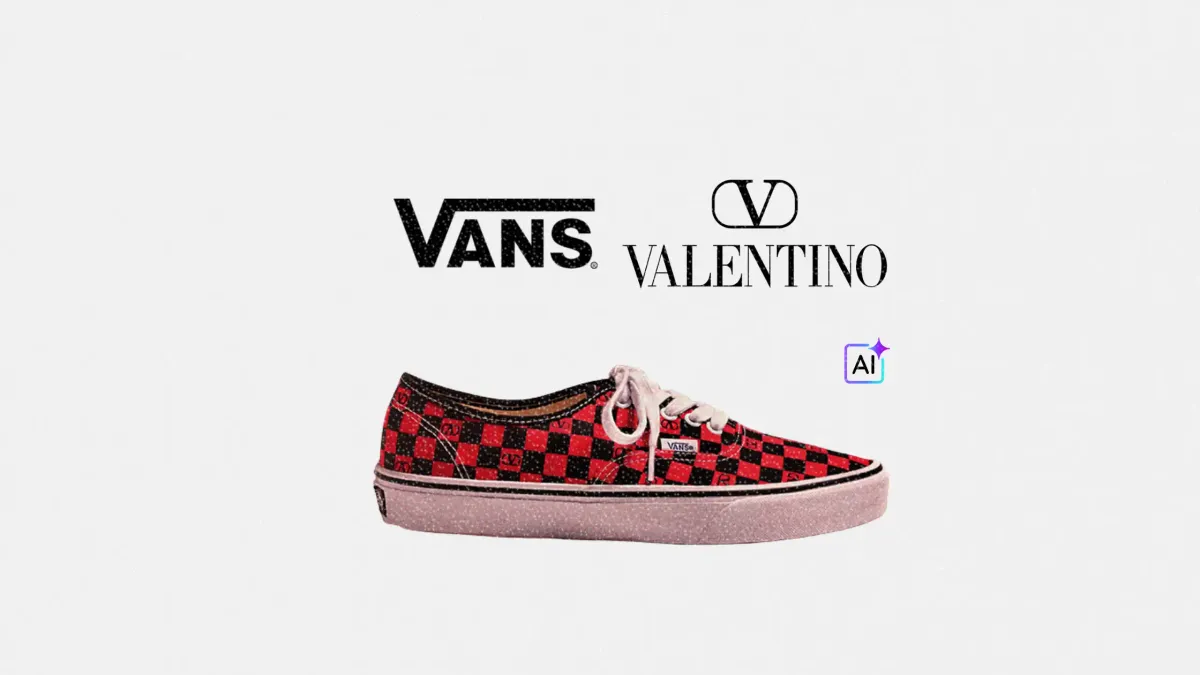
6. Coca-Cola: AI-powered holiday campaign
What they did: Coca-Cola used AI-generated visuals to reinterpret its Christmas campaign style.
What didn’t work:
- Triggered backlash over creative quality
- Raised concerns about replacing human artists
- Created tension with a highly recognizable brand asset
 Patrecia Meliana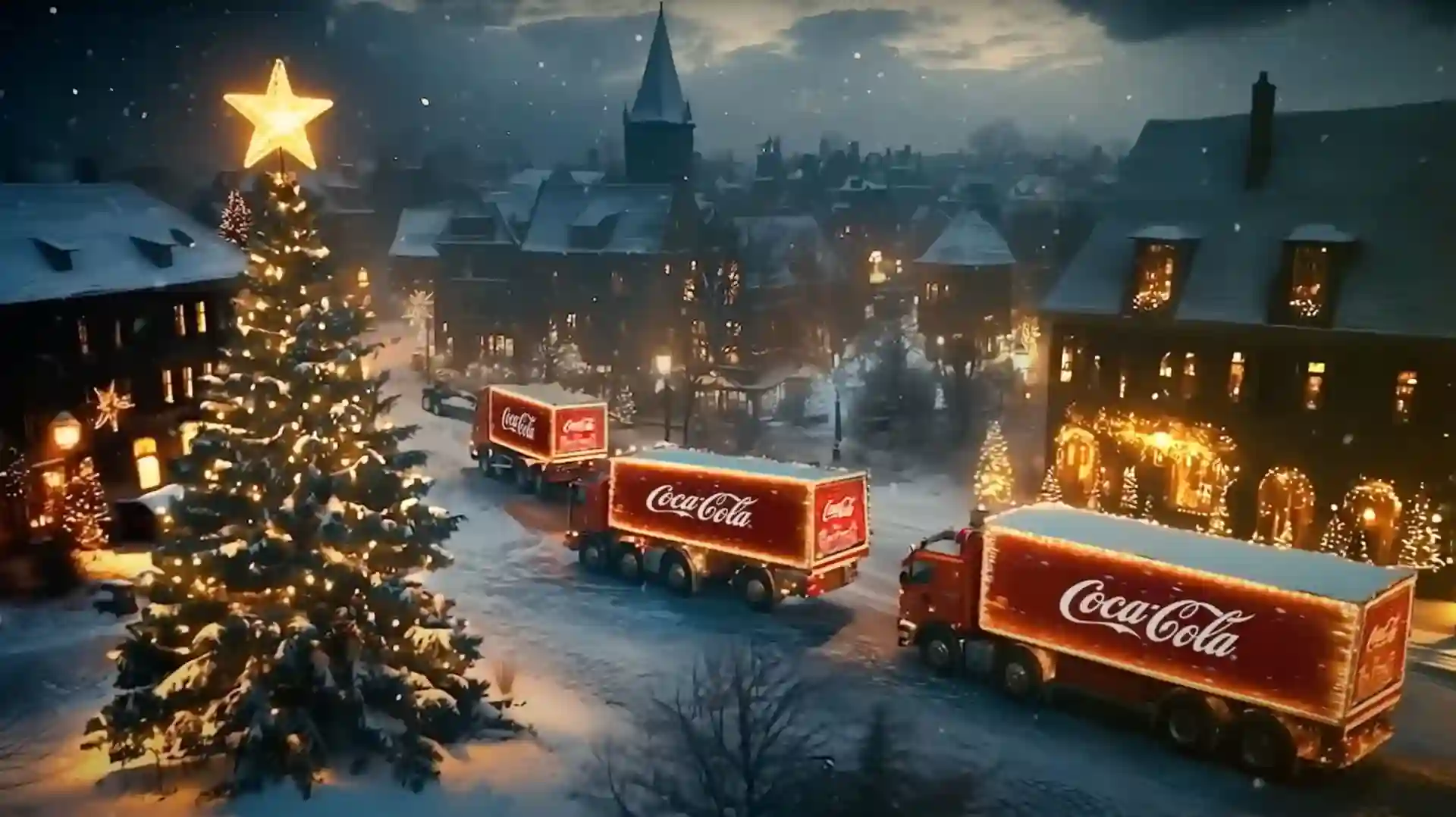
What marketers should note:
- AI does not automatically improve creative
- Established brand assets come with higher expectations
- Efficiency gains can come at the cost of audience perception
 Patrecia Meliana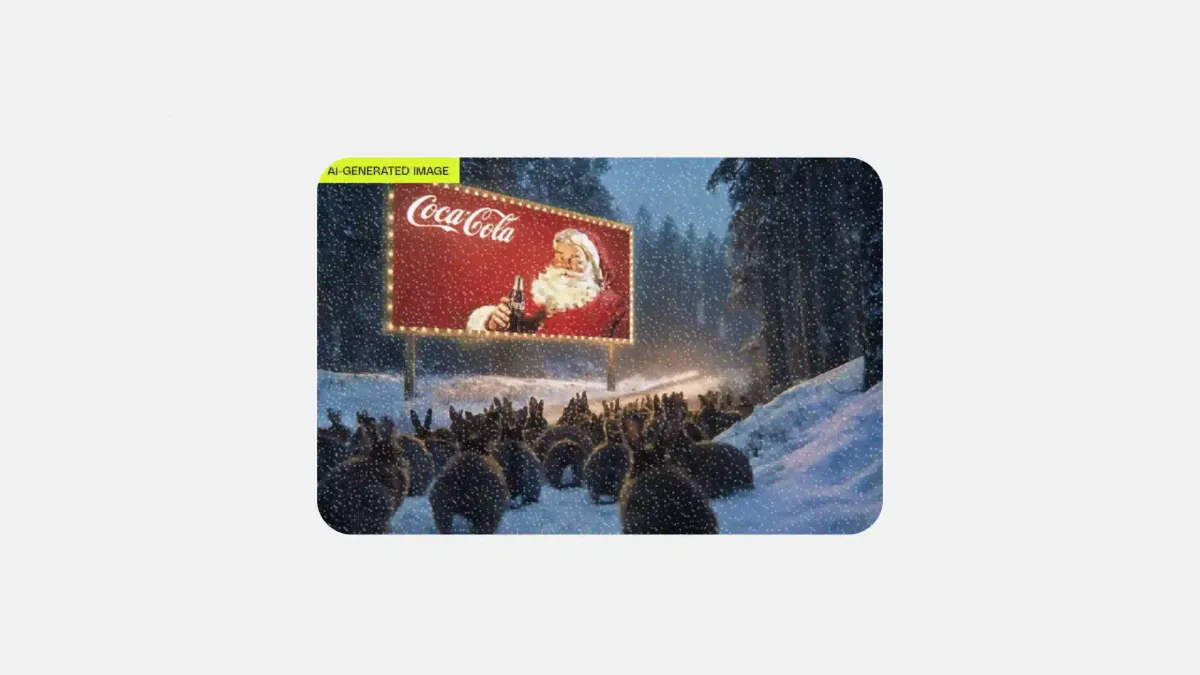
7. Lexus: AI-written script commercial
What they did: Lexus used IBM Watson to generate a commercial script based on award-winning ads.
What worked:
- Data-informed storytelling
- Early proof of AI in creative direction
- Blended analytics with narrative
Pattern: AI speeds up production, but it does not guarantee better creative. Execution still matters.
AI for personalization and scalable storytelling
8. Nutella: AI-generated packaging campaign
What they did: Ferrero used algorithms to create 7 million unique Nutella jar designs, each with a distinct pattern. The entire batch sold out within a month.
What worked:
- Mass personalization at product level
- Turned packaging into unique assets at scale
- Created scarcity and collectability
- Blended automation with perceived individuality
9. Cadbury: AI-powered Shah Rukh Khan campaign
What they did: Cadbury recreated Shah Rukh Khan’s likeness and voice so small businesses could generate localized ads.
What worked:
- Hyper-personalization at scale
- Celebrity amplification without production limits
- Delivered tangible value to local businesses
10. McDonald’s: AI-powered Lunar New Year campaign
What they did: McDonald’s used AI to localize visuals and messaging dynamically.
What worked:
- Strong cultural relevance
- Scalable localization
- Timely execution
 Patrecia Meliana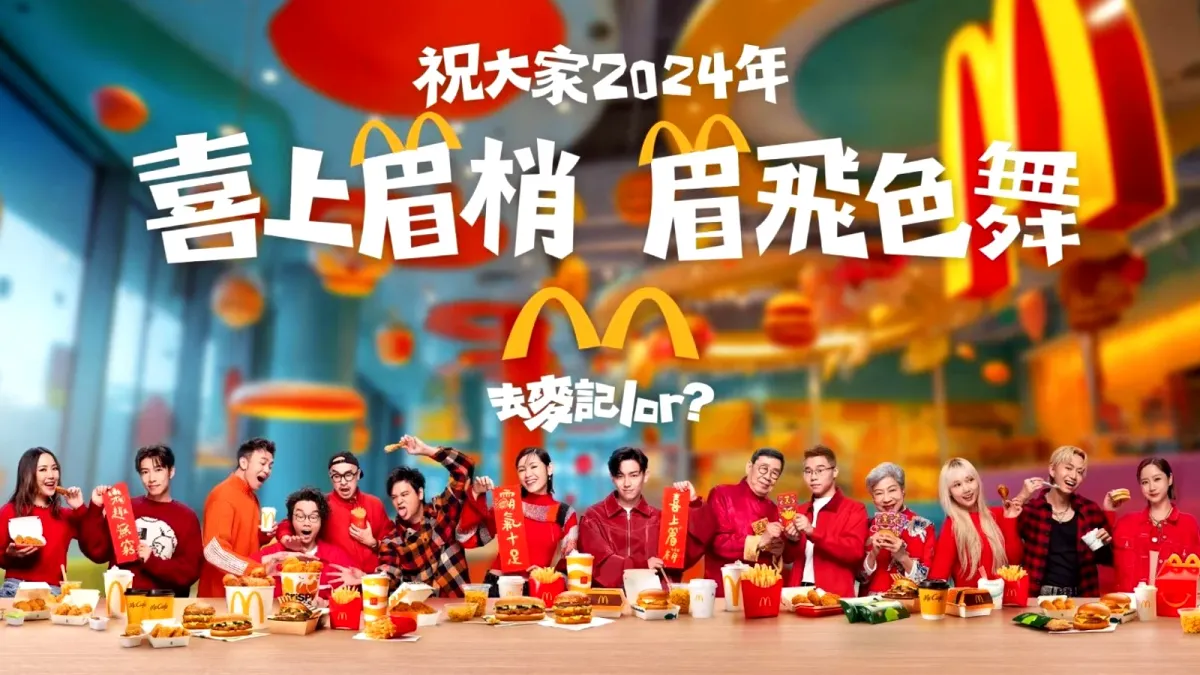
11. Yoshinoya x Tencent: AI voiceover campaign
What they did: Yoshinoya used AI-generated voiceovers across campaign assets.
What worked:
- Consistent brand voice
- Efficient production
- Easy scaling across formats
 Patrecia Meliana
12. LG: AI-generated songs campaign
What they did: LG used AI to create music for its campaign.
What worked:
- Expanded AI into audio
- Engaged audiences differently
- Positioned AI as a creative partner
 Patrecia Meliana
Pattern: AI enables personalization not just in targeting, but in the creative output itself.
What marketers should know about AI-driven campaigns
These campaigns point to a few clear strategic takeaways:
- AI works best when it enhances the idea, not just execution
If AI is invisible, it risks becoming a commodity. The strongest campaigns make AI part of the narrative or insight.
- Creative speed is now a competitive advantage
AI reduces production time significantly. Brands that iterate faster can test more ideas and respond to trends in real time.
- Personalization is moving beyond targeting
We are seeing AI shape products, visuals, and even voices. This goes far beyond dynamic ads into fully customized experiences.
- Imperfection can be a feature
Not all AI outputs need to be polished. In some cases, raw or imperfect results feel more authentic and culturally relevant.
- AI expands creative formats
From comics to music to voiceovers, AI is unlocking formats that were previously expensive or complex to scale.
- Not all AI creative works
Coca-Cola’s example shows that audience expectations still apply. AI can amplify mistakes just as easily as it scales success.
Patrecia Meliana
AI marketing is no longer experimental. It is already reshaping how campaigns are built, distributed, and experienced. The brands highlighted here are not just using AI tools. They are redefining creativity, turning AI into a collaborator, a production engine, and in many cases, the core idea itself.
For marketers, the challenge is not whether to use AI, but how to use it in ways that are distinctive, relevant, and strategically meaningful.


Leave a Reply