Anthropic is pushing further into the creative workflow stack with the launch of Claude Design, a new product that lets teams generate and refine visual assets through conversation. Built on its latest vision model, Claude Opus 4.7, the tool aims to compress the traditionally fragmented design process into a single interface.
This article explores what Claude Design actually does, how it fits into the evolving AI-powered creative stack, and what it means for marketers, product teams, and non-designers now expected to produce high-quality visual work at speed.
Short on time?
Here’s a table of contents for quick access:
- What is Claude Design and what did Anthropic launch?
- How Claude Design compresses the design workflow
- Why Anthropic is targeting non-designers and cross-functional teams
- What marketers should know about AI-driven design workflows
 Patrecia Meliana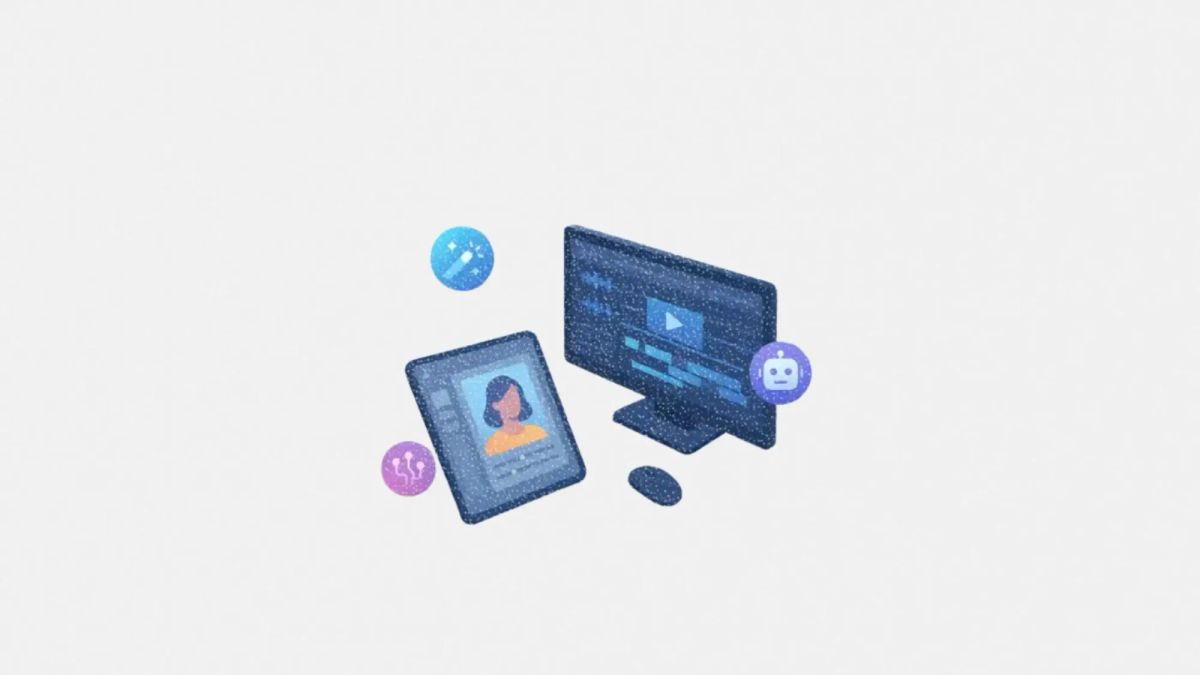
What is Claude Design and what did Anthropic launch?
Claude Design is a new AI-powered product from Anthropic that allows users to create visual assets such as prototypes, presentations, landing pages, and marketing materials by simply describing what they need.
The tool is currently available in research preview for Claude Pro, Max, Team, and Enterprise users, with a gradual rollout underway. It is powered by Claude Opus 4.7, Anthropic’s most advanced vision model to date.
At its core, Claude Design turns design into a conversational process. Users start with a prompt, receive an initial output, and then refine it through chat, inline edits, or adjustable controls. This removes the need to jump between multiple tools for ideation, prototyping, and iteration.
Patrecia Meliana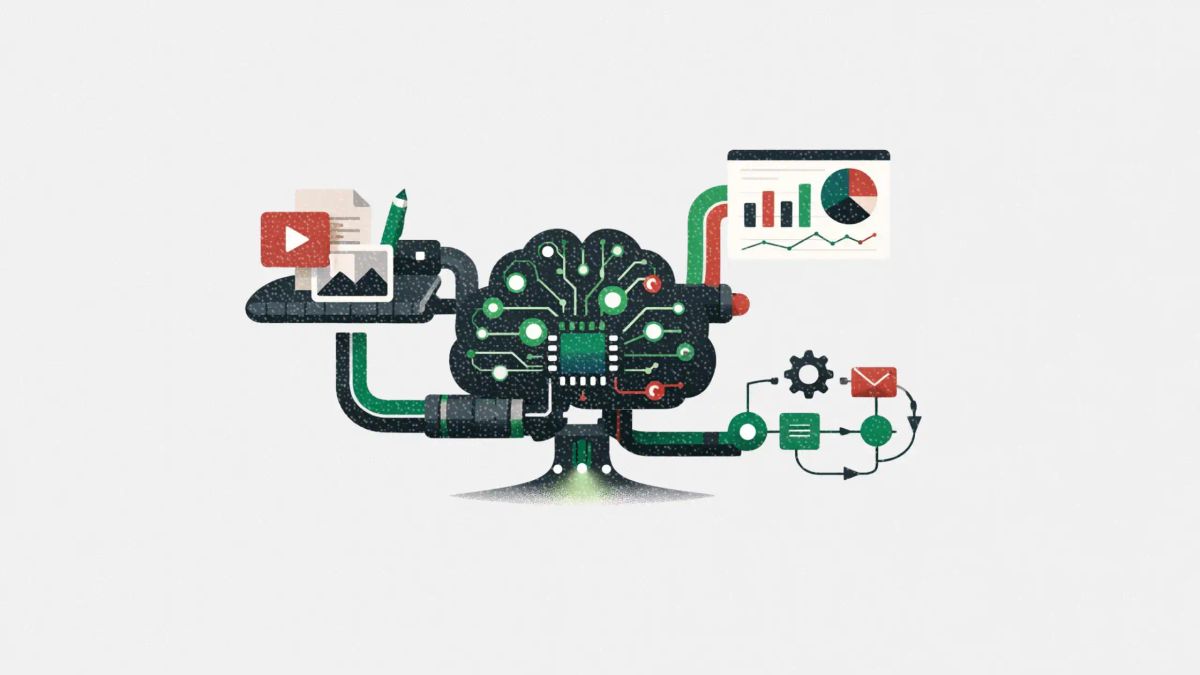
How Claude Design compresses the design workflow
Claude Design is built around a simple but powerful idea: collapse the traditional multi-step design workflow into a single environment.
Key capabilities include:
- Prompt-to-design generation: Users describe a concept and Claude produces a working visual output
- Iterative refinement: Edits can be made through conversation, direct manipulation, or sliders for layout and styling
- Automatic design systems: Claude can analyze a company’s codebase and design files to apply consistent branding across outputs
- Multi-format export: Designs can be exported as PPTX, PDF, HTML, or sent directly to Canva for further editing
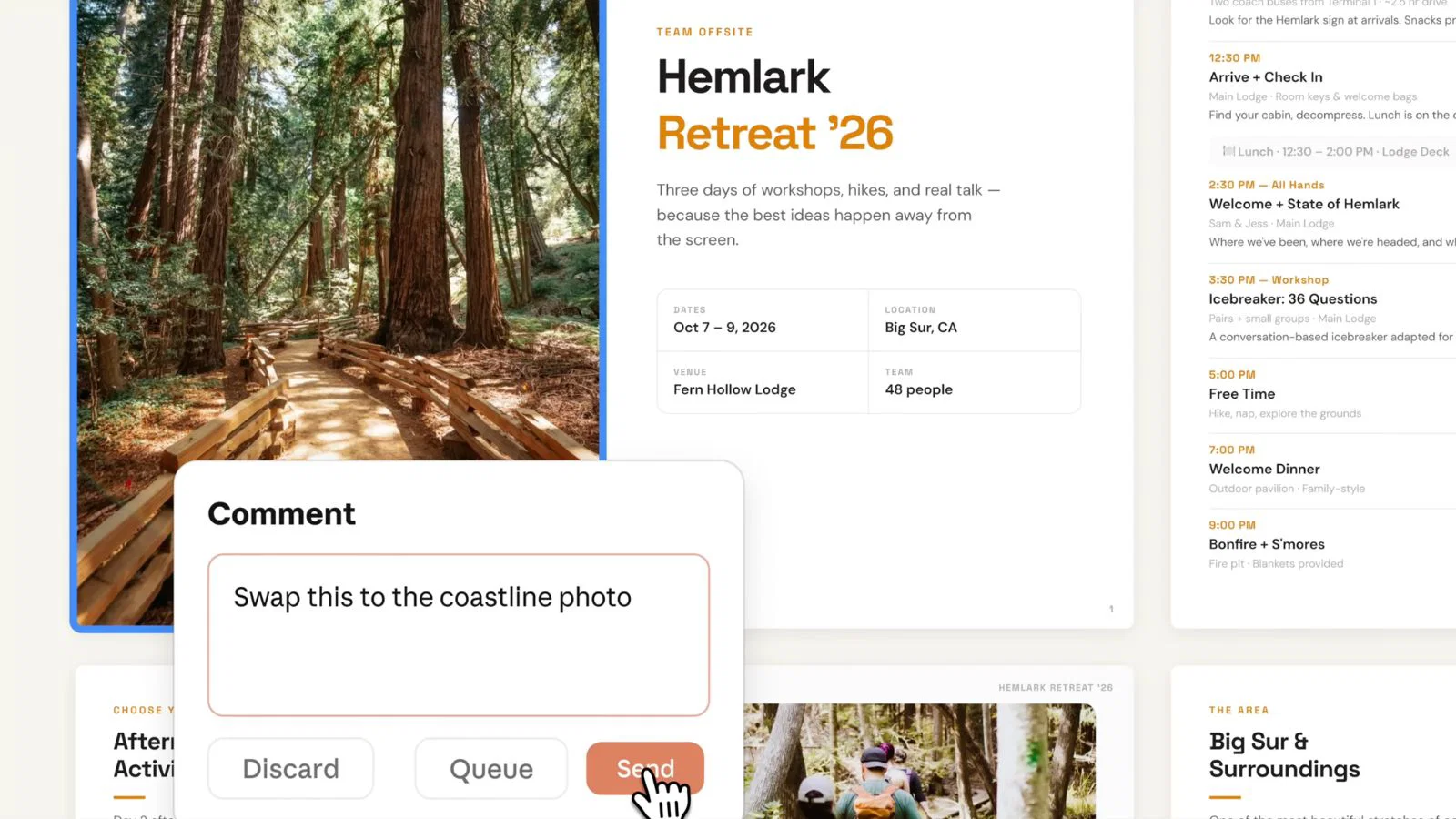
The platform also supports inputs from documents, images, and web captures, making it flexible enough to start from almost any asset or idea.
This effectively turns design from a linear process into a loop, where ideation and execution happen simultaneously.
Why Anthropic is targeting non-designers and cross-functional teams
One of the more strategic aspects of Claude Design is its target audience.
While designers can use it for rapid prototyping and exploration, the product is clearly built with non-designers in mind, including:
- Product Managers sketching feature flows
- Marketers creating campaign assets
- Founders building pitch decks
- Account Executives preparing presentations
This reflects a broader shift in how creative work is distributed across organizations. Visual output is no longer confined to design teams. Instead, it is becoming a baseline expectation across roles.
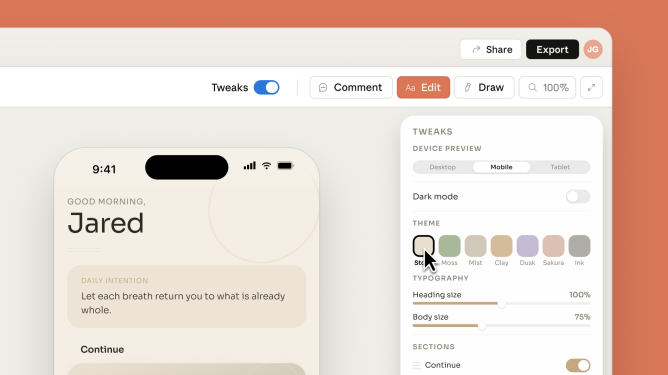
Claude Design lowers the barrier to entry by allowing these users to produce usable, on-brand assets without deep design expertise.
The integration with Canva reinforces this positioning. Rather than replacing design tools, Anthropic is plugging into an ecosystem where AI handles generation and platforms like Canva handle refinement and collaboration.
What marketers should know about AI-driven design workflows
For marketers, Claude Design signals a shift that goes beyond just “faster design.”
Here are the practical implications:
1. Creative production is becoming conversational
Instead of briefing designers or agencies, marketers can now generate first drafts instantly and iterate in real time. This shortens campaign timelines significantly.
2. Brand consistency can be automated
With AI applying design systems automatically, teams can scale output without sacrificing visual consistency. This is especially useful for global or multi-brand organizations.
3. The line between strategy and execution is blurring
Marketers are no longer just defining creative direction. They are increasingly involved in producing assets directly, which changes team structures and workflows.
4. Tool stacks are becoming interconnected
The Canva integration shows how AI tools are not replacing existing platforms but feeding into them. Expect more hybrid workflows where AI generates and traditional tools refine.
5. Speed becomes a competitive advantage
As AI reduces production time, the bottleneck shifts to decision-making and strategy. Teams that can iterate quickly will have a clear edge.
Claude Design is less about replacing designers and more about redefining how design work happens across teams.
By turning visual creation into a conversational, AI-assisted process, Anthropic is betting on a future where ideation and execution are tightly linked, and where more people inside an organization can contribute to creative output.
For marketers, the takeaway is clear: design is no longer a downstream function. It is becoming an integrated, real-time part of campaign development and execution. Adapting to that shift will be key to staying competitive.