Formula 1 fandom isn’t just about being trackside. Most fans experience race day from their couch, gaming chair, or whatever screen they have nearby, and that living-room ritual has become part of what makes modern F1 feel social and shareable.
Doritos is building its Formula 1 partnership strategy around that reality, pairing a global brand platform with market-level race-weekend moments. The company outlined the approach in an official announcement detailing how it plans to show up across F1’s long season and worldwide footprint.
Table of contents
Jump to each section:
- Why “watching from home” is the real F1 behaviour Doritos is tapping into
- What Doritos is doing with “The Crunch Prix” and the “Taste the Thrill” platform
- How the Doritos Thrill Zone makes race weekends feel like a festival
- Why this partnership is built for 50+ markets and a 10-month season
- What this means for marketers
Why “watching from home” is the real F1 behaviour Doritos is tapping into
F1 has become a sport where community is often digital-first. Fans follow drivers, teams, clips, and commentary across social feeds, then treat the race itself like a shared weekly appointment, even when they’re physically alone.
Doritos is explicitly designing around that habit: it’s taking a “fan-centric” approach that assumes the vast majority of enthusiasts watch from home. That matters because it frames the creative idea around everyday objects and everyday viewing contexts, not just trackside glamour.
What Doritos is doing with “The Crunch Prix” and the “Taste the Thrill” platform
Doritos’ global creative idea, “The Crunch Prix,” turns a simple action (taking a bite) into a race-day fantasy: viewers get sent down the track while riding whatever they were sitting on, including couches, recliners, gaming chairs, and even a bathtub. The hero spot is part of a broader “Taste the Thrill” platform and is set to roll out across social and out-of-home.
From a content standpoint, it’s a smart way to make the viewing environment feel like part of the sport. It also gives local teams something flexible: the core joke translates, and the “seat” can be swapped to match local culture without changing the central idea.
How the Doritos Thrill Zone makes race weekends feel like a festival
For the fans who do show up in person, Doritos is also investing in experiences that match how long race weekends actually feel. At the British Grand Prix in Silverstone, the brand introduced the Doritos Thrill Zone with immersive activities and fan experiences, including a virtual racing game and a live interview featuring F1 commentators and content creators.
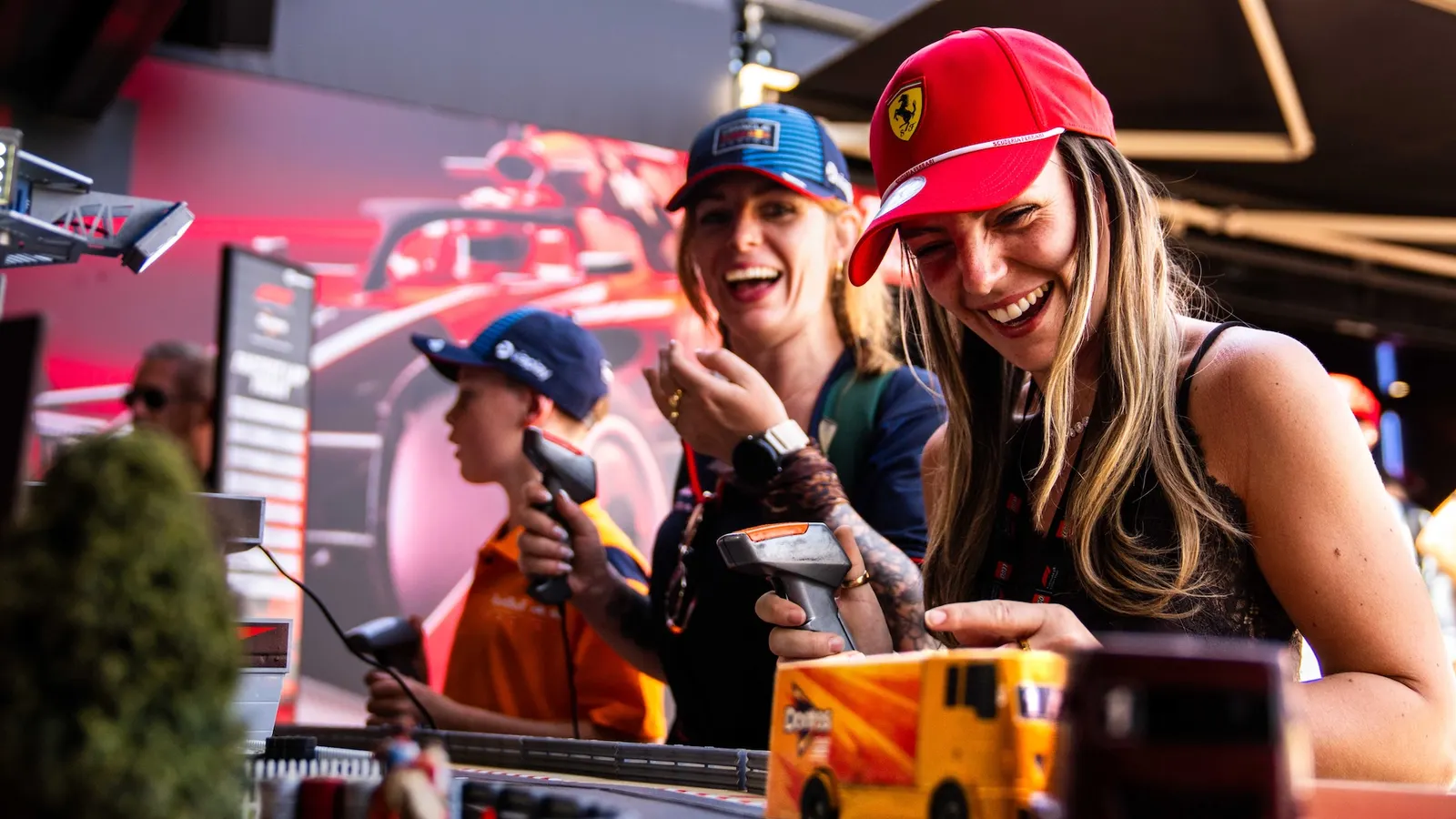
Doritos also brought two food trucks to the event tied to its Doritos Loaded initiative, using chips as a base for different meals. The Silverstone menu included a recipe created by brand partner Gordon Ramsay, and purchases came with a chance to win exclusive prizes.
Why this partnership is built for 50+ markets and a 10-month season
Doritos and PepsiCo are approaching F1 as a scale play: worldwide presence, an evolving fan base, and a calendar that runs roughly 10 months a year, with 22 races around the globe. Doritos’ VP of global marketing described F1 as providing advantages that go beyond a single tentpole moment because markets can “feel ownership” across many local race touchpoints.
A key audience signal here is the fan base shift Doritos is pointing to: Netflix’s “Formula 1: Drive to Survive” helped bring in more consumers who are women, younger, and digitally and socially native. That lines up with how snack brands often think about attention: if the fandom is already living online, the brand’s job is to show up in the same rhythm.
Doritos also described an “orchestration” challenge: creating content that’s relevant whether someone is a Doritos loyalist, an F1 loyalist, a Gordon Ramsay fan, or invested in Mercedes-AMG Petronas and drivers like George Russell and Kimi Antonelli, while still protecting each brand’s space.
What this means for marketers
The interesting part of Doritos’ F1 approach is that it treats modern sports fandom like a media behaviour first, and a sponsorship second. If most people experience the sport through screens and social clips, the partnership has to be built for daily content patterns, not just race-day signage.
- Design for the “main” fan experience, not the premium one
Doritos is anchoring creative in the at-home viewing context because that’s where most fans are. For brands, this is a reminder to build sponsorship creative around the default behaviour, not the aspirational one. - Use a platform idea that local teams can actually remix
“Taste the Thrill” and the “Crunch Prix” concept travel across markets because the core mechanic is simple. That makes it easier to adapt for cultural nuances without rebuilding the entire campaign each time. - Treat live events like long-form hangouts, not short interruptions
Doritos compared race weekends to music festivals: multi-day, large physical spaces, and many hours on-site. Experiences like Thrill Zone and food trucks fit the reality of how people spend time at events. - Plan for multi-fandom messaging without collapsing the story
Doritos is trying to serve overlapping audiences (snack fans, F1 fans, Ramsay fans, team and driver fans). The takeaway is to map which audience each piece of content is for, so the ecosystem stays additive instead of confusing. - Build a global content operating rhythm, not a single “war room” moment
Doritos referenced the old Super Bowl-style “war room” approach, but applied it globally. The operational lesson is to create a repeatable system for spotting what’s “popping” in one market and sharing it across others quickly.
Ultimately, this partnership is less about one big ad and more about learning how to behave like a global fan account for 10 months a year. That’s the shift many sponsorships are still catching up to.
It also reflects how entertainment-driven sports properties now grow: fandom expands through social-native storytelling, then brands follow by making the community feel seen in the places they already watch, talk, and share.