
When two “family memory” machines overlap, the creative basically writes itself. People do not just eat Kraft Mac & Cheese or squeeze Heinz ketchup. They pair it with movie nights, theme-park days, and the kind of small routines that turn into inside jokes and nostalgia later.
That is the emotional lane this new tie-up is trying to own: Kraft Heinz and Disney have set a long-term partnership across food service, media, and events, with the launch framed around turning everyday meals into Disney-adjacent moments. The company shared the kickoff details in an official announcement.
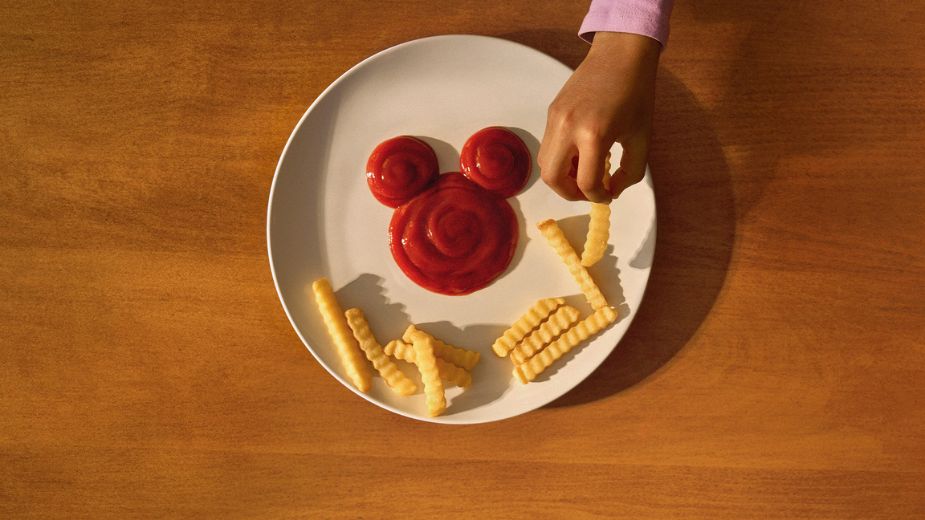
Table of contents
Jump to each section:
- Why this partnership is built for “memory marketing”
- What Kraft Heinz and Disney are actually doing
- How “Together at Last” uses fandom logic without feeling like product placement
- What this means for marketers
Why this partnership is built for “memory marketing”
Disney is not just IP. It is rituals: park snacks, cruise photos, annual rewatches, and fandom tentpoles like D23 where being there (and having the limited thing) is part of the story.
Kraft Heinz is aiming for that same mental shelf. In this partnership framing, the “kitchen table” becomes the shared stage: the place where families watch Disney favorites, eat comfort food, and build repeatable routines. That matters because the strongest brand associations are rarely about features. They are about moments people want to relive.
The partnership also lands at a time when Kraft Heinz has been putting more weight behind marketing. The company said its marketing investments increased 37% year over year for the three-month period ended March 28, and it cited improvements in measurement, including return on ad spend rising 8 percentage points globally.
What Kraft Heinz and Disney are actually doing
The agreement spans Disney’s North American parks and resorts, Disney Cruise Line, studios, and streaming platforms. Ten Kraft Heinz brands are part of the relationship, including Heinz, Philadelphia, and Kraft Mac & Cheese.
On the physical side, the most tangible change is food and on-site presence. Kraft Heinz plans new menu items and experiences, including new Heinz condiment stations throughout the parks.
The partnership is also showing up at D23 in Anaheim (Aug. 14 to 16), where Kraft Heinz will run the “Heinz Flavor Ferry,” open a “sauce vault,” and offer a limited-edition pin to the first 570 visitors per day. It is a classic fandom mechanic: a timed drop, a queue, and a brag-worthy collectible.
How “Together at Last” uses fandom logic without feeling like product placement
The launch campaign is titled “Together at Last,” created with Kraft Heinz agency partner Rethink, and anchored by a hero film called “Meant to be Together.” The core creative trick is simple: make Kraft Heinz products feel like they have always belonged in the Disney visual universe.
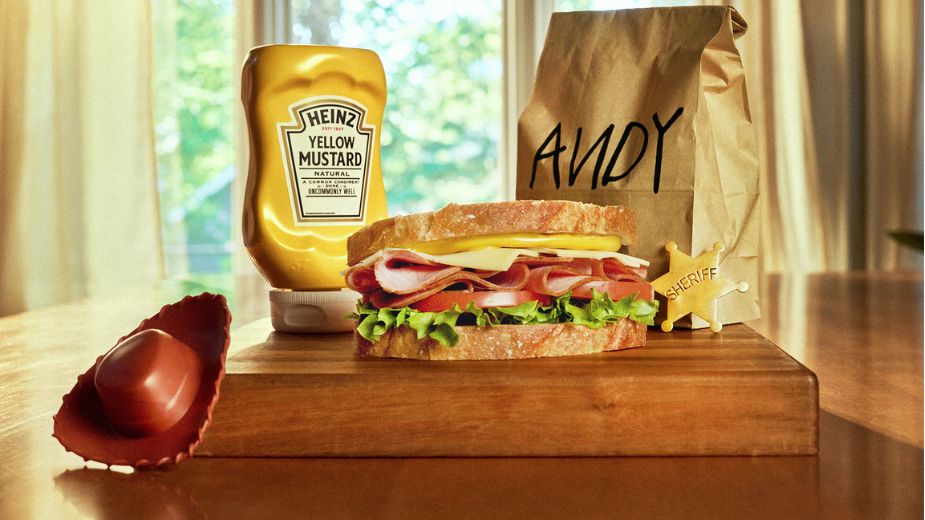
The references are built for instant recognition, the same way Easter eggs work in fandom spaces. A few examples described in the campaign include:
- A lineup of Kraft Heinz products casting a shadow shaped like Cinderella’s Castle
- A child in Lion King pajamas holding up ketchup like the Simba lift
- Toy Story-adjacent framing around a sandwich made with Heinz mustard
- Olaf assembled from Jet-Puffed marshmallows
- A Mickey silhouette made out of ketchup
That approach does two things at once. It rewards people for “getting it” quickly, and it invites repeat watching because the fun is in spotting pairings and details. The campaign also extends into OOH and other placements designed to communicate in single frames, the way culture moves on phones.
What this means for marketers
Big brand partnerships often fail when they treat the audience like passive viewers. This one is trying to treat people like fans first, and consumers second.
- Treat the “real world” like a channel, not an afterthought
Condiment stations in parks and brand presence on cruises turn a partnership into something people physically experience, not just something they scroll past. - Use collector logic to create natural urgency
The D23 pin incentive (first 570 visitors per day) is not complicated. It is the kind of constraint that makes people show up early because it feels like a story they can own. - Build creative around recognition, not explanation
The campaign’s Disney references work because they are instantly legible. That reduces the need for messaging, which is often where “collab” creative starts to feel like an ad. - Make measurement part of the narrative, not a footnote
Kraft Heinz highlighting marketing investment growth and ROAS lift signals a push toward tying big cultural partnerships to performance accountability, not just brand halo. - Think beyond a one-off campaign if the platform is built for repeat moments
The partnership is positioned as multi-year, which matters because this kind of “memory marketing” only compounds if the audience keeps encountering it across different contexts.
The deeper signal here is about how brand love is being built: not through louder ads, but through “I was there” moments, shared references, and physical experiences that become content later. For marketers, the opportunity is not simply access to Disney inventory. It is learning how to design brand presence that people enjoy spotting, collecting, and talking about, because it feels like it belongs in their existing rituals.
This article is created by humans with AI assistance, powered by ContentGrow. Ready to automate your content marketing?