
Back-to-school season always comes with its own rituals: trying on jeans with friends, scrolling outfit ideas late at night, and treating the mall like a social hangout again instead of a chore. For Gen Z, that “in real life” vibe is part nostalgia, part community, and it is showing up in how brands plan their biggest seasonal moments.
American Eagle is leaning into that behaviour with a back-to-school campaign built around mall energy, campus life, and sports culture, with global brand ambassador Lamine Yamal taking a bigger role after Spain’s World Cup win. The company also outlined its long-term partnership with Yamal in an official announcement.
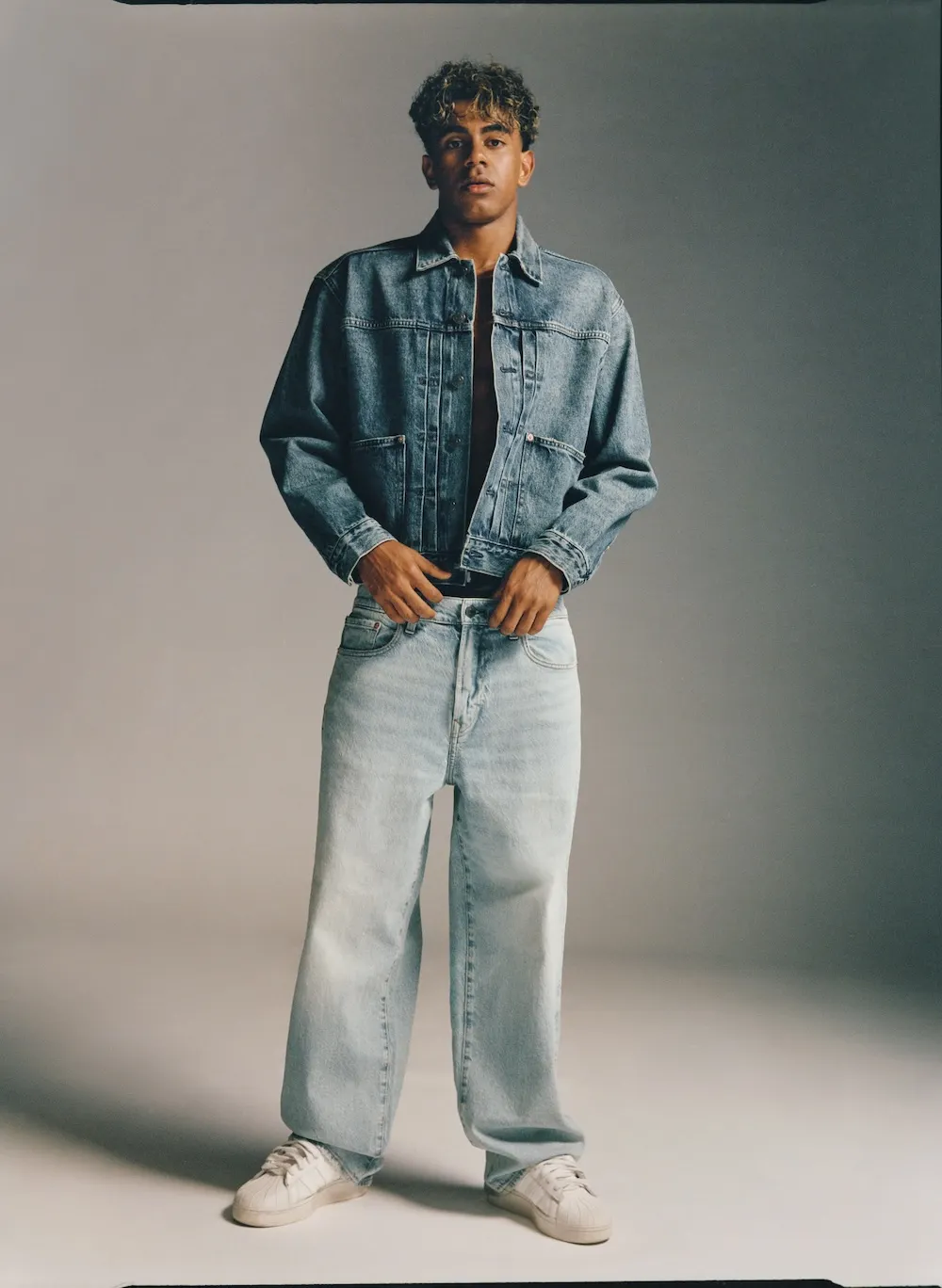
Table of contents
Jump to each section:
- Why American Eagle is tying back-to-school to sports momentum
- The mall is back, and brands are designing for “hangout” behaviour
- How the campaign blends creators, QR scans, and store experiences
- Why #RushTok makes sorority recruitment a marketing moment
- What this means for marketers planning seasonal campaigns
Why American Eagle is tying back-to-school to sports momentum
Sports fandom is one of the cleanest ways to turn a brand message into something people actually want to share, because it already has stakes, heroes, and a constant feed of “did you see that?” moments. That is the context American Eagle is tapping as it expands Lamine Yamal’s role in its back-to-school push, after his recent World Cup win with Spain.
The brand has treated the moment like a live cultural event, including temporarily changing its name to “Lamine’s Eagles” and framing its Instagram as “a Lamine Yamal fan account.” It also ran social ads featuring Yamal and soccer balls with CGI styling, echoing creative that previously appeared on Times Square billboards.
American Eagle’s paid and brand media includes a 30-second ad running on YouTube and paid social.
The mall is back, and brands are designing for “hangout” behaviour
For years, “the mall is dying” has been a default narrative. But Gen Z keeps rewriting that story when the mall feels less like retail and more like a shared space. American Eagle is building its seasonal plan around that shift, citing PwC data that shows Gen Z’s share of foot traffic at malls increased 57% year over year.
The interesting part is not just that people are walking into malls. It is what they expect once they are there. When someone makes the effort to show up in person, the bar rises: they want to try things on, take photos, hang with friends, and leave with a story, not just a receipt.
That expectation changes what “back-to-school” means. Instead of a single shopping weekend, American Eagle is positioning the season as a longer sprint where in-person moments can keep restarting demand as students return to campus, see what others are wearing, and head back to buy again.
How the campaign blends creators, QR scans, and store experiences
American Eagle is using in-store mechanics that are simple but very “now”: get people trying on denim, give them something to do with their phone, and make the moment feel like a game. During the first week of August, customers who try on jeans in-store and scan a QR code can enter for a chance to win “jeans for life.”
The broader in-mall approach includes in-store events, discount days, and store-exclusive denim drops, which leans into collector and “limited drop” behaviour without needing to overcomplicate the offer.
Creators are part of the plan too. The brand is encouraging its creator community to visit local stores for product discovery and content creation, and it is launching a social-first influencer-led content series called “Mall Diaries” aimed at capturing mall spontaneity with a dose of Y2K nostalgia.
Why #RushTok makes sorority recruitment a marketing moment
Sorority recruitment content has become a recurring social spectacle because it blends fashion, identity, and real-time storylines people can follow like a series. That is basically perfect fuel for TikTok, even for viewers who are not in college or not rushing themselves.
American Eagle plans to show up on campuses in August, focusing on sorority chapters at the University of Alabama, Arizona State University, the University of Florida, and Ohio State University. The brand’s influencer partnerships will include product displays, giveaways, and room makeover content designed for the kind of vertical-video storytelling that performs well around #RushTok.
What matters here is the “people watching” dynamic. Recruitment is not only an insider event anymore. It is a broadcast moment where outfits, anticipation, and peer reaction become part of the entertainment, which gives brands a reason to participate as long as they fit the tone of the community.
What this means for marketers planning seasonal campaigns
Back-to-school is often treated like a media calendar event. American Eagle’s approach is a reminder that it is also a behaviour calendar event, where attention spikes around very specific social scenes: malls, campus move-in, and sports highs.
1. Seasonal campaigns work better when they map to where people actually gather
The mall focus is not nostalgia for nostalgia’s sake. It is a bet that Gen Z wants shared spaces again, and that brand presence needs to feel like it belongs in those spaces.
2. “Fast pivots” are a creative advantage when culture moves mid-campaign
Yamal’s World Cup moment created fresh relevance. The campaign plan leaves room to react, amplify, and extend the story rather than sticking to a fixed calendar.
3. Retail can feel like content when you give people something to do
QR scanning, try-ons, and store-exclusive drops are all prompts for behaviour. They turn the store into a place where people can participate, not just purchase.
4. Influencers matter most when they reflect existing community viewing habits
#RushTok is successful because people like watching it unfold. Campaigns that understand the “spectator” layer of social trends can build content that fits naturally.
5. Plan for a longer “season,” not a single peak week
Deloitte’s Back-to-School Survey indicates spending is expected to remain flat, with peak shopping in late July and early August, but the behaviour pattern can stretch much longer as students cycle back to the mall after returning to campus.
The bigger signal is that back-to-school marketing is drifting toward episodic storytelling. Instead of one hero ad and a discount, brands are building multiple moments that people can step into: a sports headline, a mall hangout series, a campus storyline.
For marketers, that raises the standard. You are not just competing on price or product. You are competing on whether your campaign understands where the audience is emotionally spending time, and whether you can show up in a way that feels like part of their real life.