
Football shirts are not just merch anymore. For a lot of fans, they are identity, memory, and a weekly uniform that signals “I’m part of this.” That is why third kits, in particular, spark debate: they are the space where clubs can get experimental without touching the sacred home colours.
PUMA and Manchester City are turning that emotional attachment into a creation moment, not just a purchase moment. The club detailed the release in an official newsroom post, positioning the 2026/27 third kit as a fan-designed shirt created using generative AI.
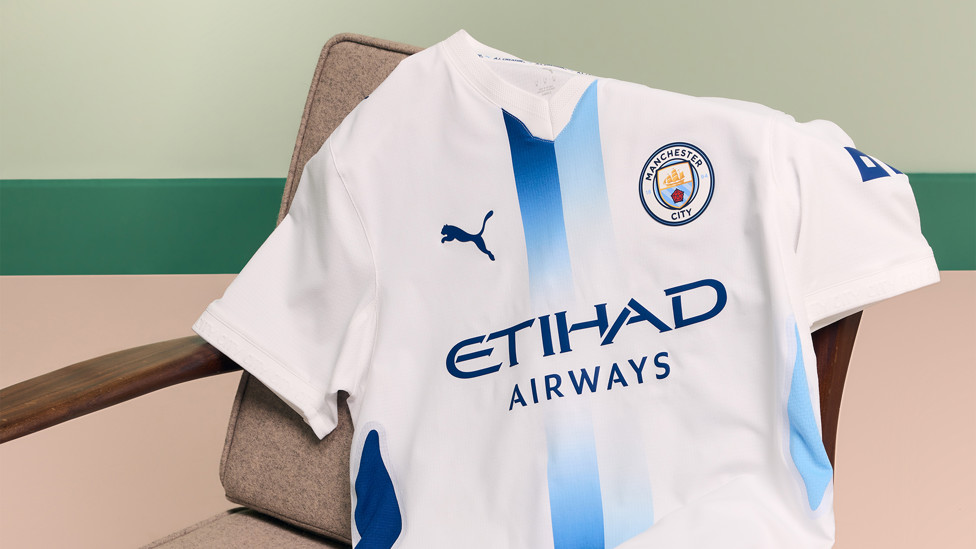
Table of contents
Jump to each section:
- How PUMA AI Creator turned kit design into a fan activity
- What the winning design says about fan taste
- Why this is a merchandising play, not just a tech stunt
- What this means for marketers
How PUMA AI Creator turned kit design into a fan activity
PUMA AI Creator is a generative AI tool (launched in December 2024) that lets supporters turn written prompts into football shirt designs, then tweak them using editing tools without needing design experience.
For Manchester City’s 2026/27 third kit, the club and PUMA opened submissions globally, then made the selection process feel like a platform-native ritual:
- Fans from more than 200 countries created over 180,000 unique designs.
- Those designs generated 1.7 million ratings.
- The shortlist was narrowed to 10, followed by a global fan vote in January 2025.
That flow matters. Instead of treating “community involvement” as a comment-section exercise, the project made fans do what they already like doing online: generate options, rate them, argue about favourites, and rally behind a final pick.
What the winning design says about fan taste
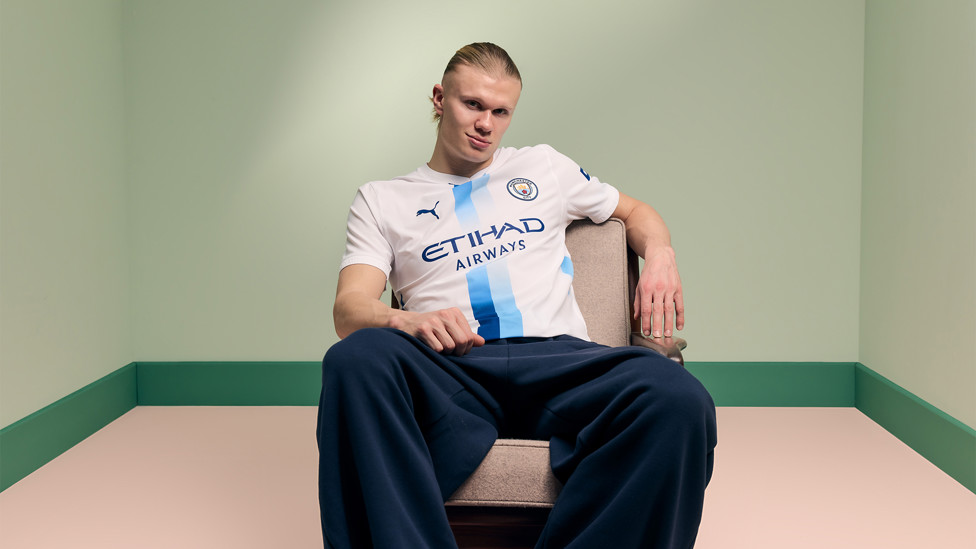
The winning kit, created by a lifelong Manchester City supporter named Elliott, features a white base with a central two-tone sash in sky blue and navy. A subtle gradient shifts as it catches the light.
Even without speculating about fan reactions, the design brief implied by the outcome is clear: supporters often want novelty that still reads as “real club heritage.” The campaign also surfaced a range of directions fans explored, from modern interpretations of retro kits to bolder, more unconventional concepts.
Elliott said he designed it during his lunch break and did not expect it to become an official kit, which is part of the emotional hook here: the distance between fan creativity and official club history suddenly shrank.
Why this is a merchandising play, not just a tech stunt
This was framed as the first professional football kit designed by a fan using AI to be worn by players on the pitch. That on-pitch detail is the credibility engine. It changes the story from “customisation tool” to “the club actually handed the pen to supporters.”
It is also not the first time the partnership has used the tool in a high-visibility way. In 2025, PUMA and Manchester City introduced a limited-edition goalkeeper kit designed by Manchester City players using PUMA AI Creator, which was worn on the pitch. This new release pushes the same idea further by expanding authorship from players to the wider fanbase.
On the product side, the authentic version uses PUMA’s ULTRAWEAVE fabric, plus dryCELL and ThermoAdapt technologies, and is made with at least 50% recycled material. The replica version uses PUMA’s RE technology and is made with 95% recycled polyester sourced from textile waste. Those details help the kit live in two worlds at once: performance signalling for the pitch, and lifestyle signalling for everyday wear.
What this means for marketers
Co-creation only works when it feels like real authorship, not a themed template. This campaign is a useful case study because it made the community’s output legible (ratings, shortlist, vote) and then made the result undeniable (it will be worn on pitch).
- Let the audience do a “real job,” not a fake one
Designing a kit is normally locked behind brand, club, and manufacturing gates. Opening that door, even with guardrails, makes participation feel like status, not busywork. - Make the selection mechanics part of the entertainment
1.7 million ratings and a final vote turns the process into its own content loop. The campaign creates its own reason to return, even before the product is for sale. - Treat gen AI as a creativity multiplier, not the headline
The tool matters, but the behaviour matters more: fans exploring retro references, experimenting with bold concepts, and iterating quickly. The “AI” label is credible here because it is tied to an outcome people can see and judge. - Bridge digital creation to physical legitimacy
“Worn by players on the pitch” is the conversion moment. It turns a digital platform activity into a tangible marker of club history, which is exactly the kind of legitimacy fandoms respond to. - Use sustainability details to support, not replace, the story
Recycled materials and fabric tech are important, but they are not why people pay attention. In this case, they work best as reassurance: the kit is not just symbolic, it is also a serious product.
The bigger cultural signal is that fans increasingly expect to participate in the worlds they love, not just consume them. When a club invites supporters into the making of something iconic, it is tapping into the same impulse that drives creator culture: “Let me leave a mark.”
For marketers, the lesson is not “add gen AI.” It is to design systems where community taste can surface at scale, then commit to the outcome in a way that proves the participation was real.
—