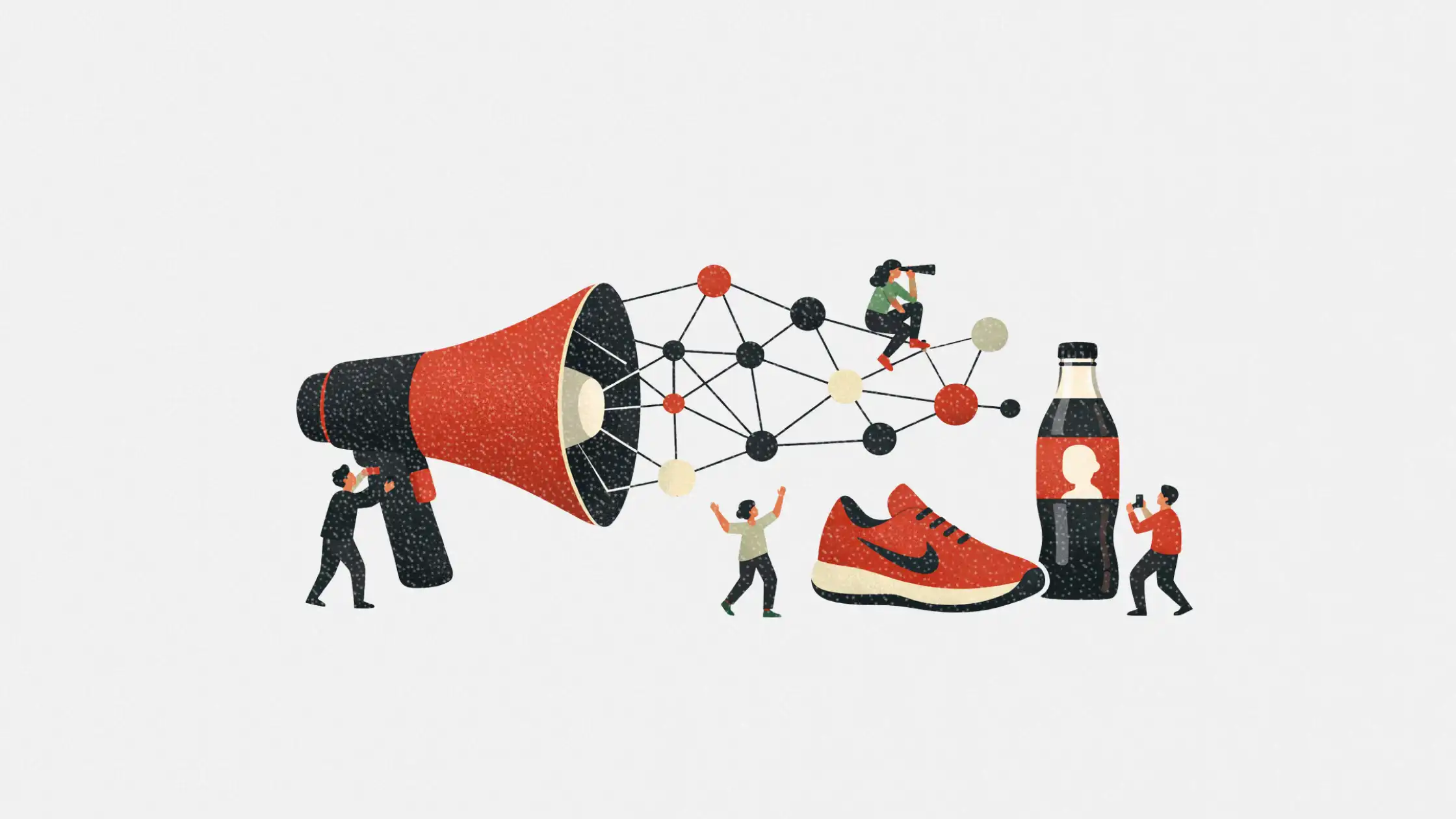
The best marketing campaigns don’t just go viral, they shift how platforms are used, and redefine how brands connect with people. They spark conversations, inspire user behavior, and sometimes, alter the trajectory of an entire category.
From nostalgia-fueled brand revivals to geo-hacking stunts, the real magic lies in how these campaigns cracked distribution and drove participation.
This article explores 12 of the most impactful marketing campaigns ever, not based on budget or awards, but on influence. These are campaigns that redefined distribution, harnessed culture, and built emotional relevance at scale.
Short on time?
Here’s a table of contents for quick access:
- What makes a campaign “the best”
- The 12 best marketing campaigns of all time
- Key takeaways for modern marketers
What makes a campaign “the best”
So, what makes a marketing campaign one of the “best”?
A successful marketing campaign does more than hit KPIs. It’s a combination of timing, story, and platform fluency. Here’s the breakdown we used to assess impact:
- Cultural relevance: Did the campaign tap into, shape, or react to a major societal trend?
- Emotional impact: Did it make people feel something? Pride, nostalgia, unity, urgency?
- Distribution strategy: How did it spread? Strong PR hooks, creator involvement, or platform-native assets?
- Longevity: Did it stick in people’s minds or influence future campaigns?
- Replicability: Could smaller brands learn and adapt this playbook?
The 12 best marketing campaigns of all time
This list highlights standout campaigns that didn’t just capture attention, but shaped how brands think about reach, timing, and audience engagement.
1. IKEA – “Punch the macaque”
A viral moment born out of randomness: a plush IKEA monkey went viral after an unexpected public sighting. Rather than ignore or over-engineer a follow-up, IKEA leaned in, boosting the plush toy to cult status.
Insight: You can’t plan virality, but you can capitalize fast. Real-time marketing often beats polished, delayed responses.
 Patrecia Meliana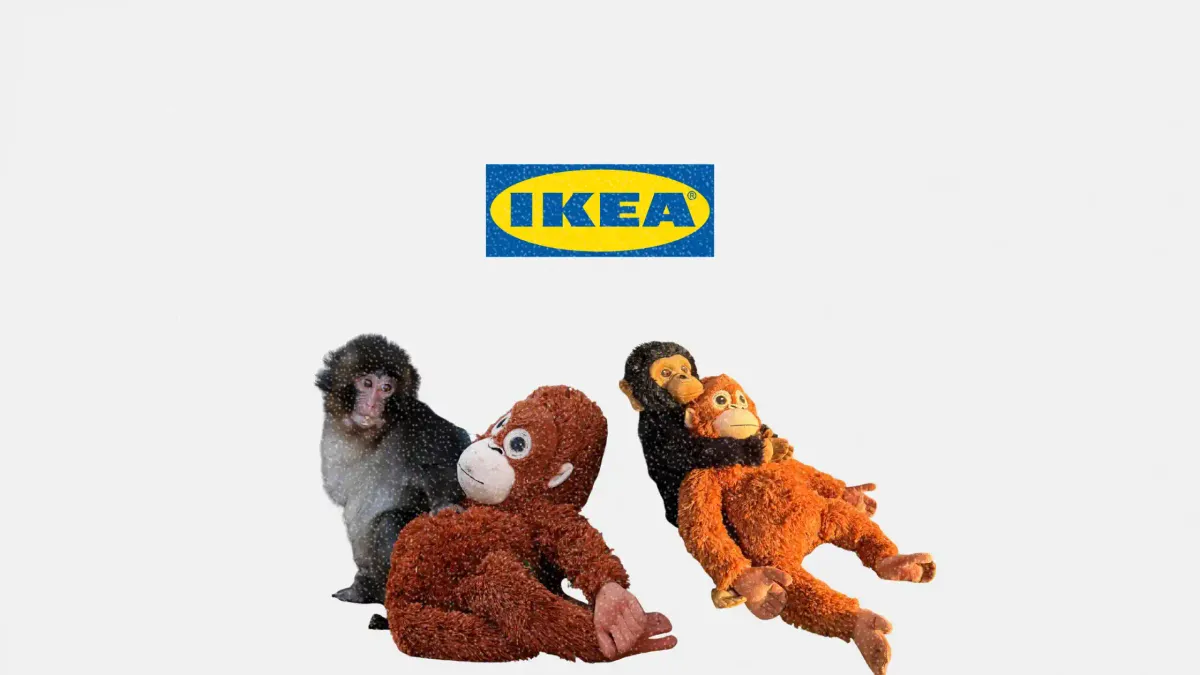
2. Nike – “Just Do It”
A campaign that became a belief system. Launched in 1988, “Just Do It” transformed Nike from a shoe brand into a symbol of athletic ambition.
Insight: The best campaigns become brand philosophies.
 Patrecia Meliana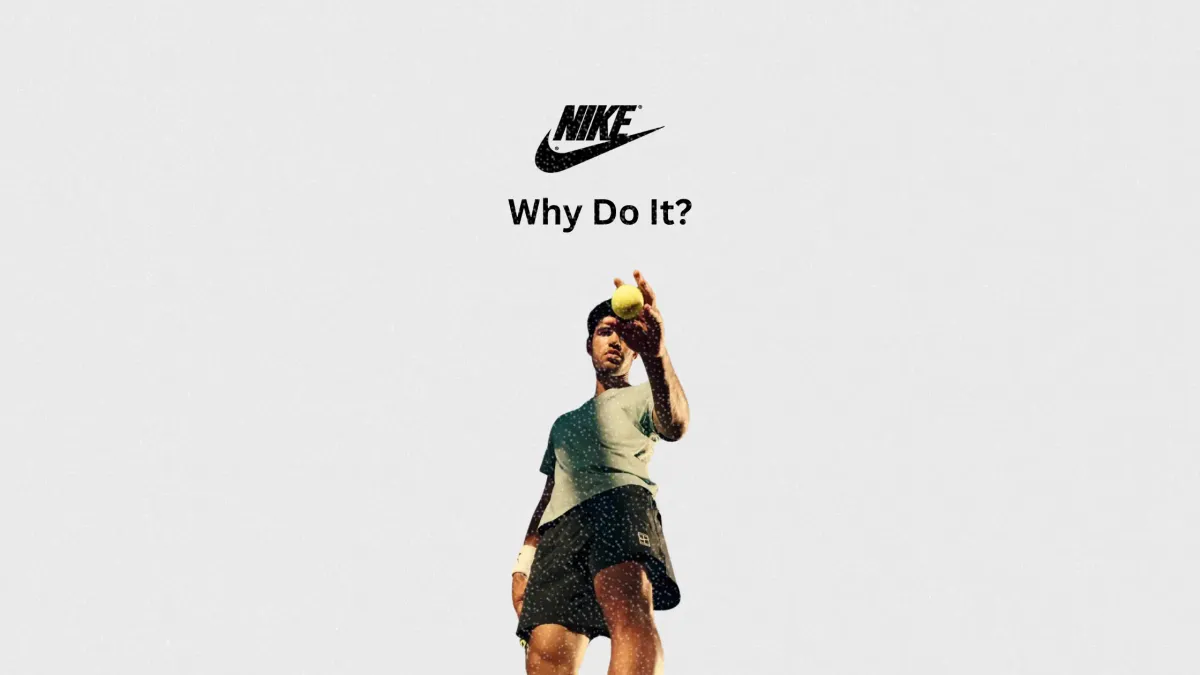
3. Dove – “Real Beauty”
Dove took a bold stance on beauty standards, celebrating natural bodies and sparking a global conversation. It redefined what a beauty campaign could look like.
Insight: Challenging norms creates lasting relevance—and free PR.
 Patrecia Meliana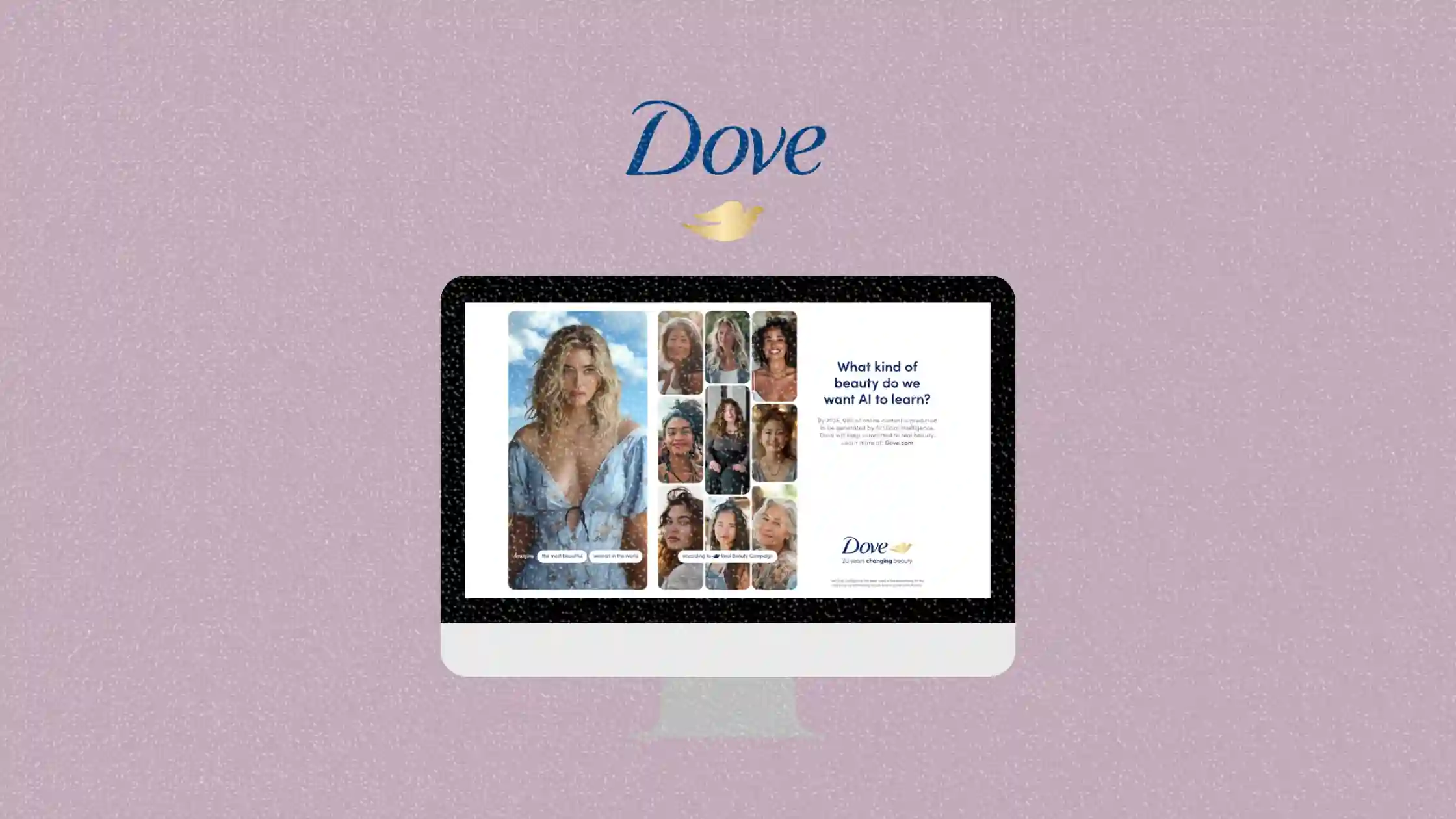
4. Old Spice – “The Man Your Man Could Smell Like”
The original viral-ad-meets-meme-machine. Old Spice leaned into surreal humor, then launched rapid-response video replies to fans.
Insight: Speed + personality = shareability.
5. Coca-Cola – “Share a Coke”
One of the simplest personalization campaigns ever. Coke replaced its logo with first names, sparking millions of shares and reuniting people with the brand.
Insight: Personalization doesn’t always need data—just human insight.
6. ALS Ice Bucket Challenge
Not a brand campaign, but a masterclass in viral mechanics. It harnessed user-generated content, simple rules, and public pressure to fundraise at scale.
Insight: The audience can become your distribution engine.
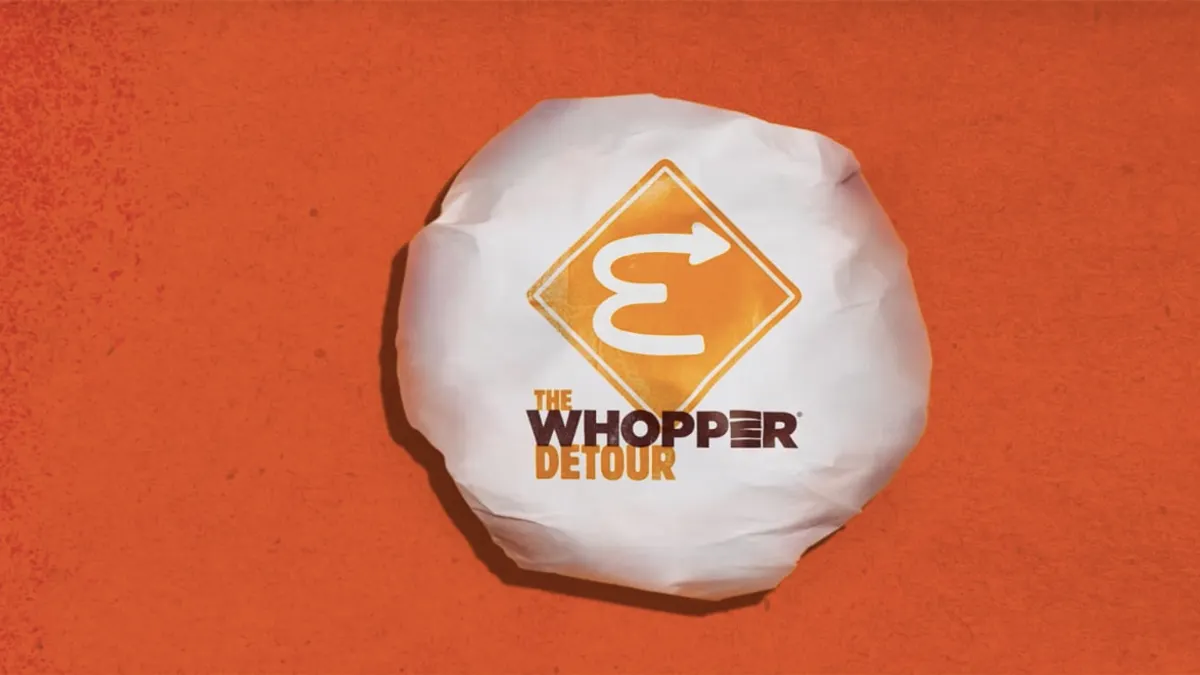
7. Burger King – “Whopper Detour”
Burger King geo-targeted users near McDonald’s stores, offering Whoppers for a cent via its app. A technical stunt wrapped in a brand rivalry narrative.
Insight: Smart tech use can turn paid media into earned buzz.
8. Liverpool FC – “Signs of Unity”
In a campaign rooted in inclusivity, Liverpool FC taught fans sign language to help better connect with a young deaf supporter. The message went beyond sport—positioning the club as purpose-driven without virtue signaling.
Insight: Purpose works best when it’s participatory, not preachy.
 Patrecia Meliana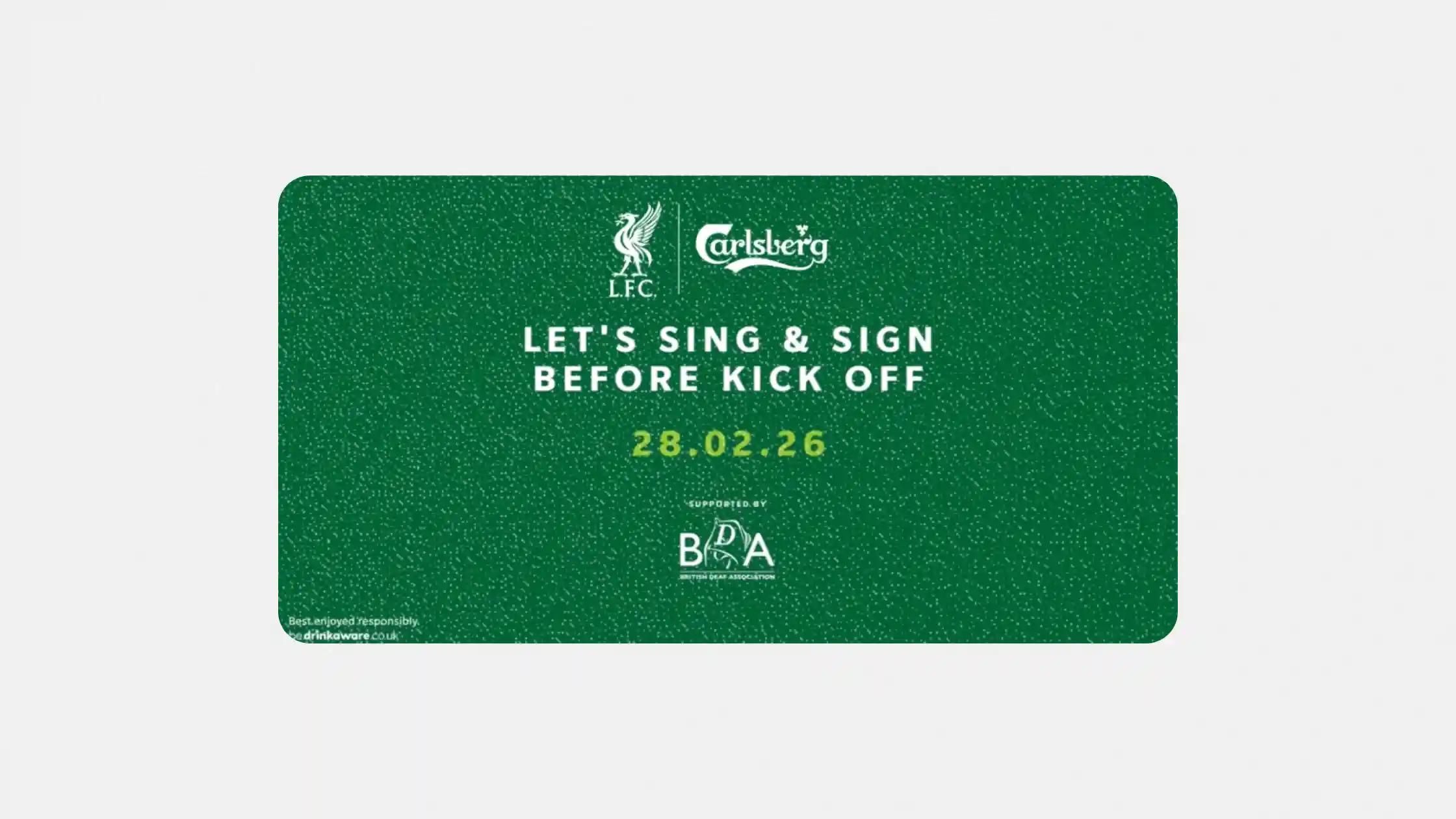
9. adidas Originals – Superstar reboot (2026)
adidas paired legacy stars with Gen Z creators to reintroduce the Superstar shoe, blending nostalgia with new-wave content. Instead of a product push, it became a culture play.
Insight: Heritage brands win when they bridge generations with cultural storytelling.
 Patrecia Meliana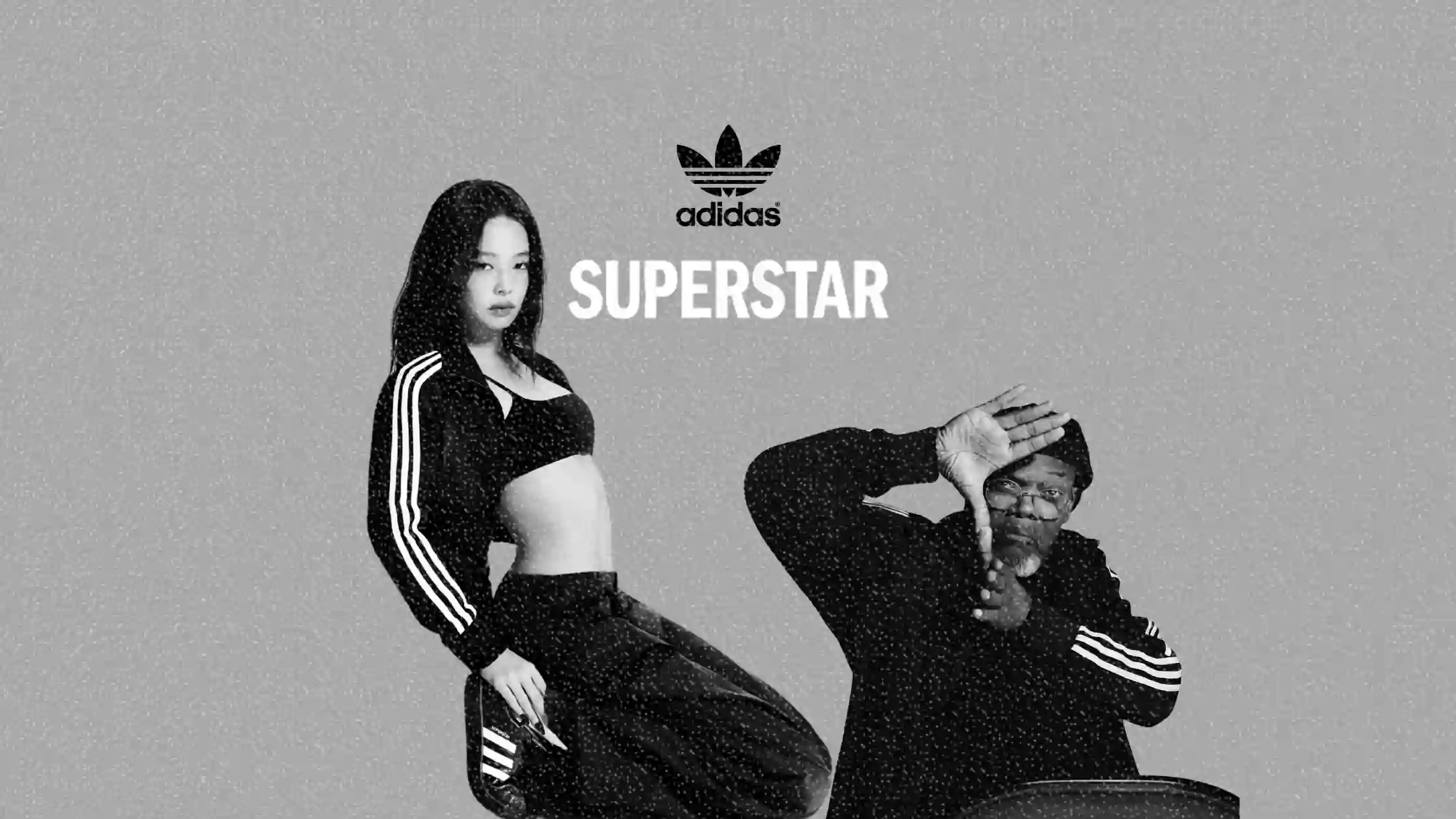
10. Heineken – Anti-AI social experiment
Positioning itself against the rise of AI companionship, Heineken ran a campaign encouraging people to connect in real life, not through screens. It was timely, contrarian, and commentary-driven.
Insight: Contrarian messaging cuts through platform sameness.
 Patrecia Meliana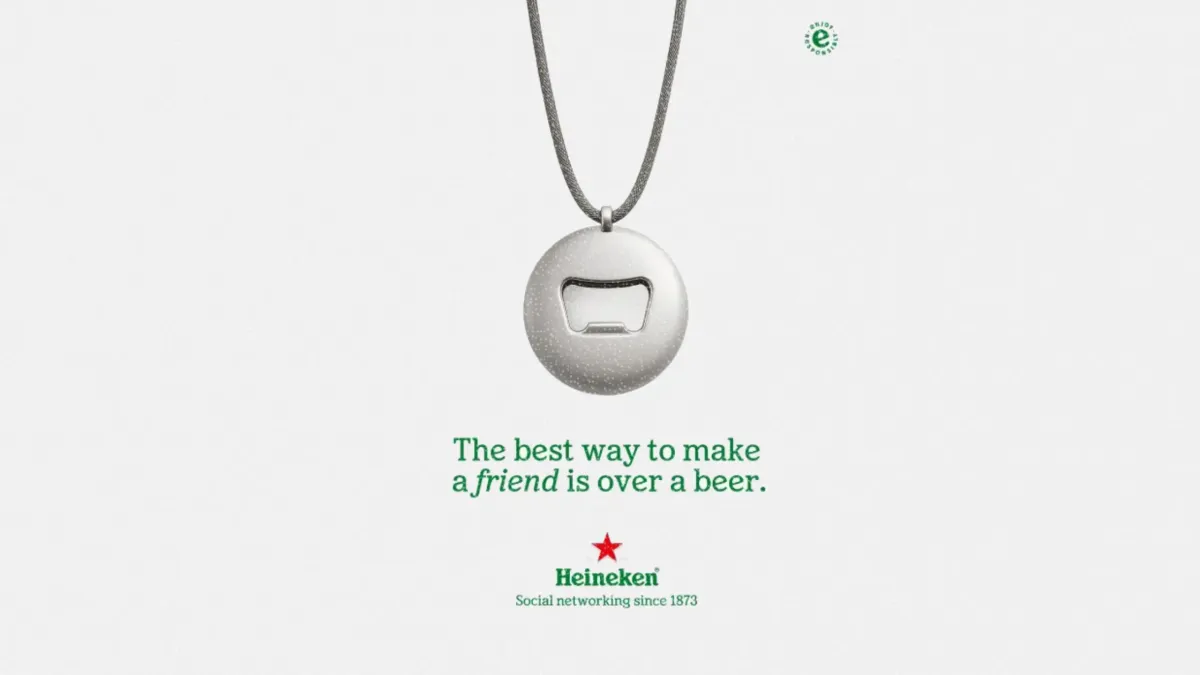
11. Netflix – Stranger Things cassette activation
To launch a new season, Netflix dropped cassette tapes—yes, physical media—to tap into 80s nostalgia and engage fans through multisensory, collectible moments.
Insight: Nostalgia drives high engagement when paired with tangible experiences.
 Patrecia Meliana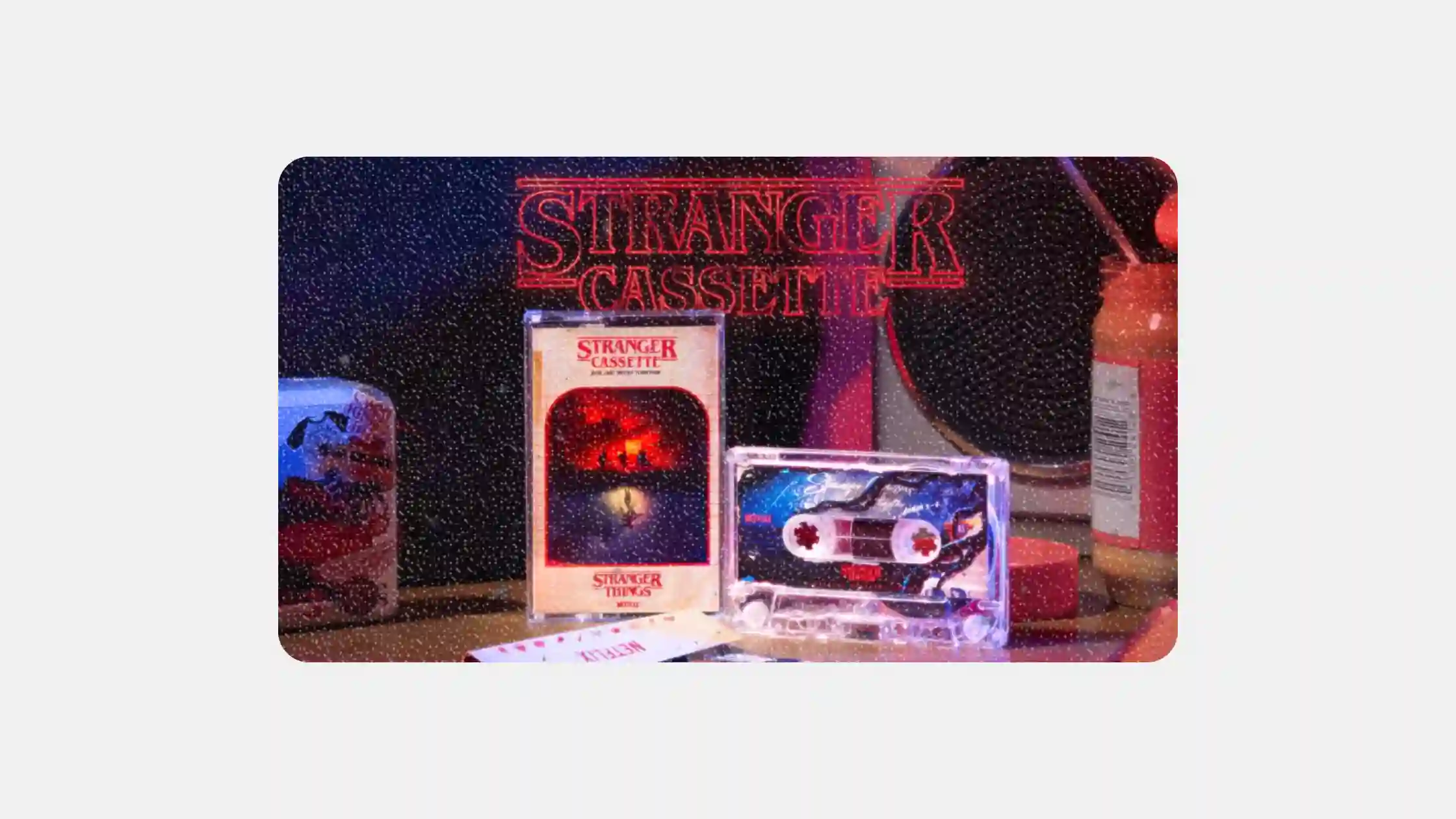
12. Apple – Jane Goodall campaign
Apple spotlighted environmental storytelling with Jane Goodall, putting values ahead of product features. The emotional storytelling built brand equity far beyond a product launch.
Insight: In modern branding, story > product.
 Patrecia Meliana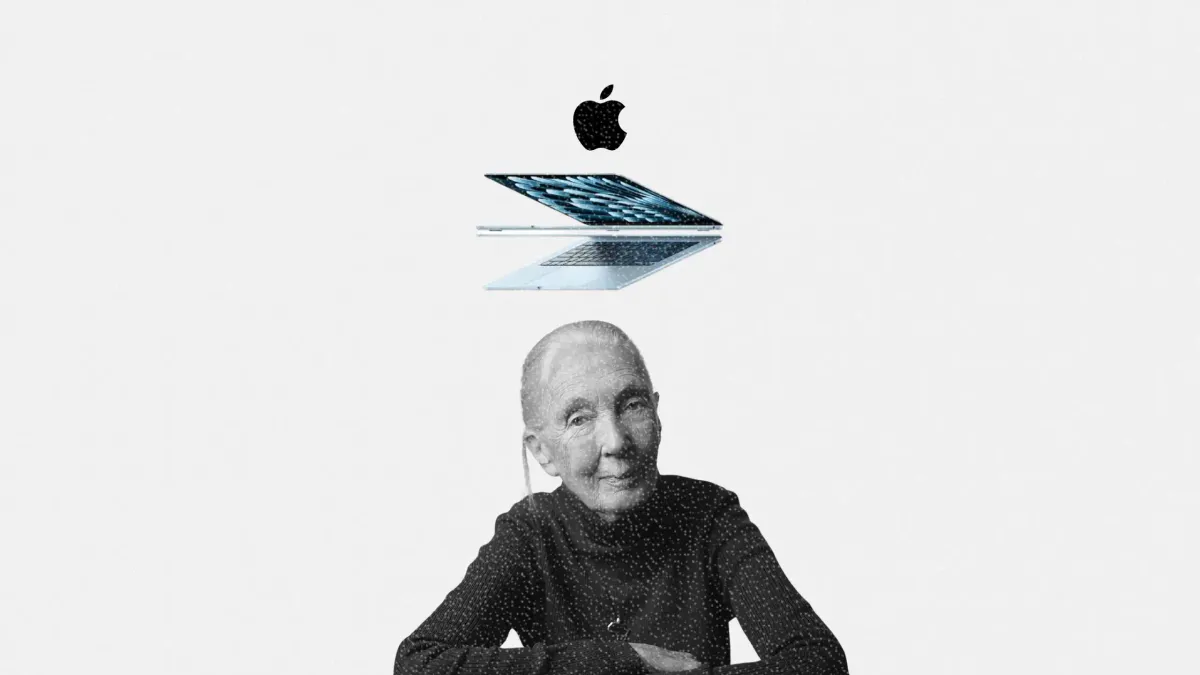
Key takeaways for modern marketers
The most impactful campaigns today are built to spread, not just to impress, combining sharp ideas with the mechanics of reach, relevance, and amplification.
- Distribution > Idea
Even the most creative ideas won’t land without solid distribution—think influencers, creators, PR hooks, and platform-native execution.
- Culture beats creativity
Trend jacking and timing often outperform cleverness. Great campaigns ride or create cultural waves.
- Participation = reach
The best campaigns don’t talk at audiences—they invite them in. From the Ice Bucket Challenge to Liverpool FC, participatory formats scale faster.
- PR still drives growth
Earned media is back. Campaigns that feed the press cycle win organic amplification, crucial for AI-driven search and feed rankings.
Falencia Naoenz
- Simplicity wins
If it needs a deck to explain, it won’t scale. The most iconic campaigns—like “Share a Coke” or “Just Do It”—work because they’re clear.
The best marketing campaigns don’t succeed because they’re the most creative on paper. They win because they understand people, culture, and distribution better than everyone else.
Whether it’s a decades-long brand platform like Nike or a one-off stunt like Whopper Detour, the common thread is simple: clarity, participation, and timing. For modern marketers, the takeaway isn’t to copy these campaigns—but to understand the mechanics behind them and adapt them to today’s channels.