Taco Bell is rolling out “Loss Or Celebration Outcome Support” (L.O.C.O.S.), a World Cup-timed program designed to channel fan emotions into a rewards-led mobile experience, with perks ranging from merch to free food.
The company outlined the initiative in an official announcement, positioning the campaign as a repeatable platform it can extend beyond July into other cultural and sporting moments.
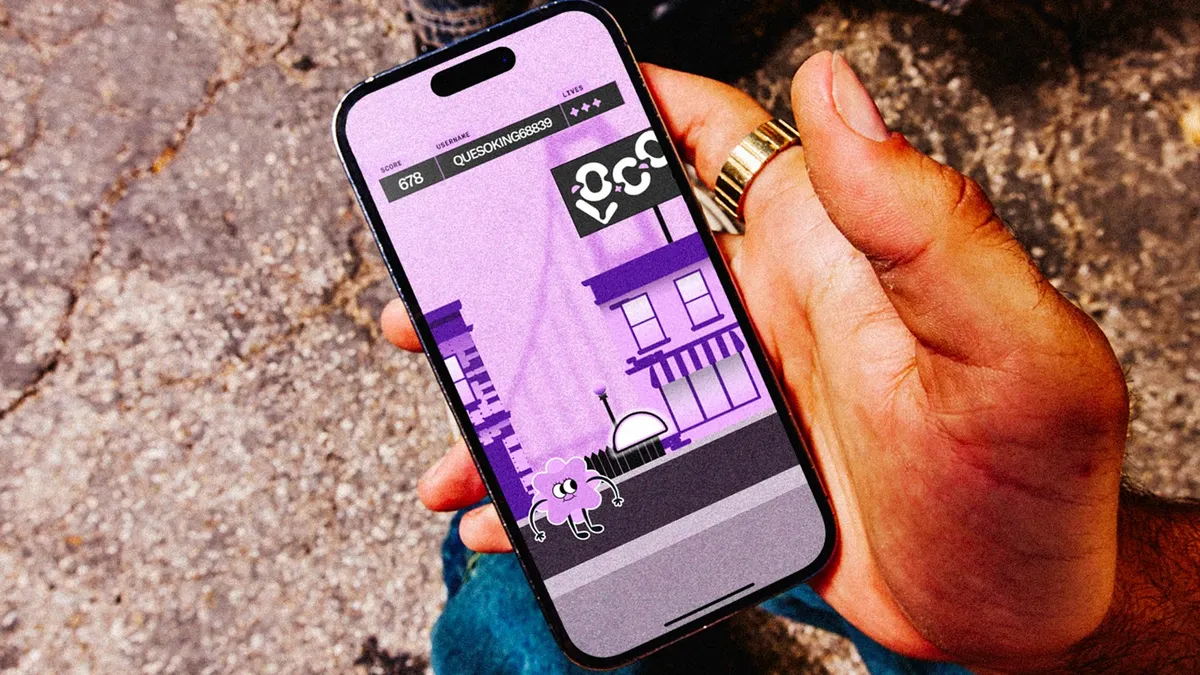
Table of contents
Jump to each section:
- How L.O.C.O.S. works across the app and in-person activations
- Why Taco Bell is building a repeatable “cultural moment” platform
- What the performance signals say about Yum’s digital and loyalty focus
- What this means for marketers
How L.O.C.O.S. works across the app and in-person activations
L.O.C.O.S. runs through July 13 and is built around a personalized, gamified in-app experience for Taco Bell Rewards members. The program is framed around two emotional states: Celebration Mode and Support Mode, with weekly challenges and opportunities to unlock tacos, win merch, and earn additional rewards.
The campaign also extends into physical and local activations that align with key tournament moments. These include in-person events like giveaways and taco trucks, plus market-specific delivery offers.
Markets referenced for activations include New York and Los Angeles (June 25), London (June 27), as well as Spain, Brazil, Australia, and Canada. The scheduling detail matters because it shows the program is designed to spike engagement at predictable peaks, not just run as a generic seasonal promotion.
Why Taco Bell is building a repeatable “cultural moment” platform
The strategic bet behind L.O.C.O.S. is that major sports and cultural moments offer pre-built communities and high-intensity attention, and that brands can participate meaningfully even without official sponsorship rights.
By anchoring the experience in “win or lose” emotional universals, Taco Bell is trying to make the brand relevant regardless of match outcomes, while giving fans a reason to open the app and engage with the rewards ecosystem.
The company has also indicated plans to expand the concept after July to other cultural and sporting events. That suggests L.O.C.O.S. is intended to be a reusable framework, where the mechanics (mood-based choice, challenges, prizes, local stunts) can be swapped onto the next moment with limited reinvention.
What the performance signals say about Yum’s digital and loyalty focus
L.O.C.O.S. also fits a broader shift toward using marketing as a lever to increase app usage, loyalty participation, and digital mix.
Taco Bell’s loyalty sales grew 30% year-over-year in Q1. Yum Brands reported digital sales near $11 billion in the same quarter, with digital mix increasing to 63%. Yum Brands also reported Q1 sales growth of 6%, while Taco Bell’s same-store sales grew 8%.
Those numbers do not prove that a single campaign drives performance, but they do show why Taco Bell is motivated to keep investing in experiences that create repeat app behavior. A World Cup-timed mechanic that encourages repeat plays and weekly challenges is structurally aligned with that goal.
What this means for marketers
L.O.C.O.S. is a useful example of how brands are packaging cultural relevance into measurable, owned-channel behavior.
- Design campaigns around emotional states, not just event calendars
The “celebration vs. support” framing turns a tournament schedule into a simple user choice that can power personalization, messaging, and rewards logic. - Use gamification to create repeat visits during a fixed-time moment
Weekly challenges and a time-boxed run through July 13 are mechanisms that encourage multiple sessions, not a one-time redemption. - Pair owned-channel mechanics with selectively timed real-world stunts
Taco trucks, giveaways, and local activations are most effective when they are synchronized with predictable attention peaks, like key matches. - Plan for “platform reuse” so campaigns scale beyond one moment
The stated intention to expand beyond July signals an operational mindset: build a campaign format that can be reused, rather than rebuilding from scratch each time.
For marketing teams, the larger lesson is that cultural marketing is increasingly being treated as an acquisition and retention funnel, not only a brand moment. The channel mix matters less than the behavior design: what gets someone to open the app again next week.
Just as importantly, campaigns built around moments like the World Cup can still work without official sponsorship, as long as the brand contribution is clear and the mechanics are tied to consumer behavior rather than borrowed spectacle.