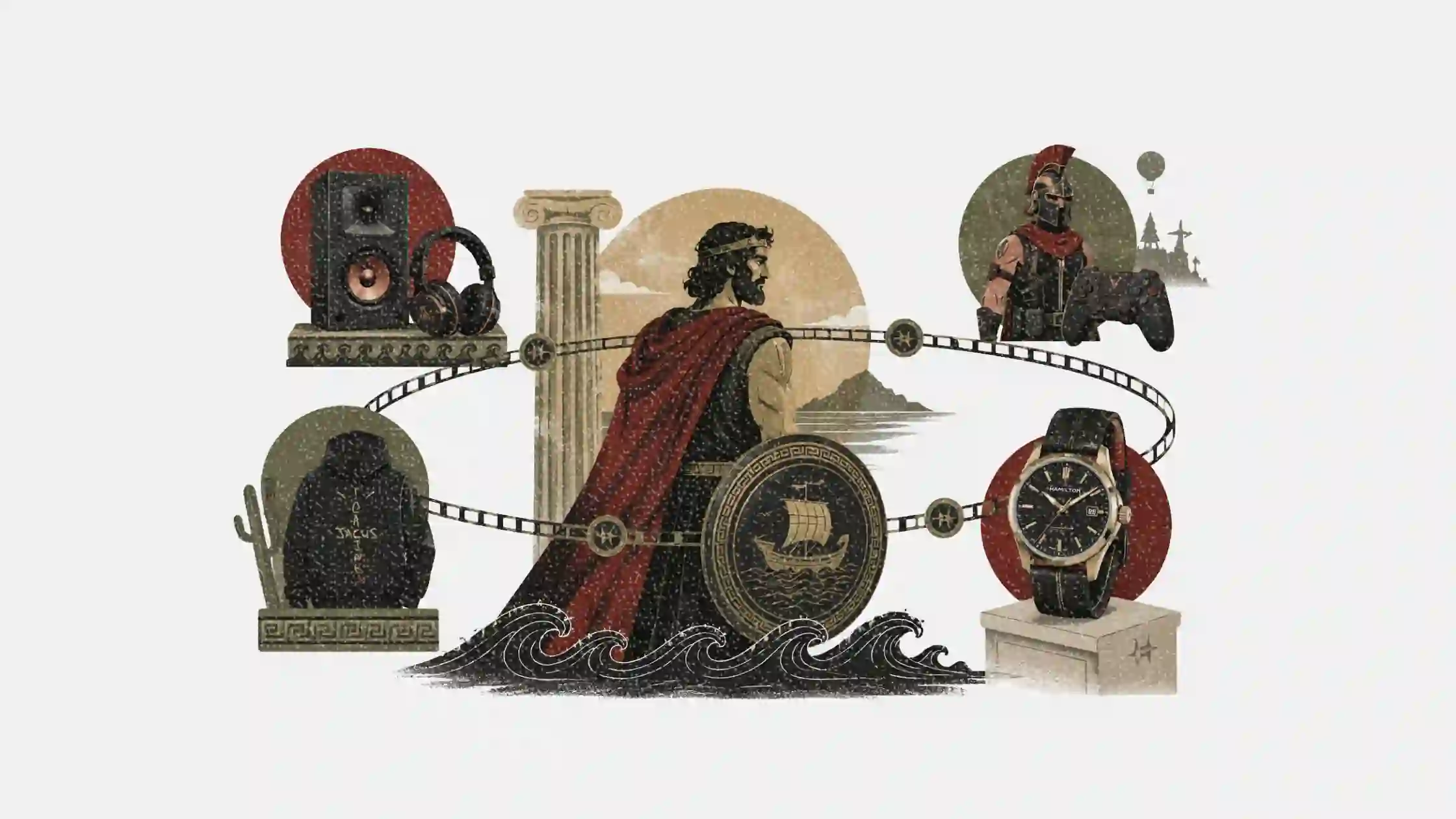
Christopher Nolan’s The Odyssey is no longer just one of 2026’s biggest movies. It is becoming a commercial ecosystem, with brands across audio, gaming, streetwear, and watches finding ways to turn the film’s fandom into products, collectibles, and digital experiences.
The movie has now grossed roughly US$1.1 billion worldwide, making it Nolan’s highest-grossing film to date. It has also generated about US$289 million from Imax screens globally, surpassing Avatar to become Imax’s biggest release of all time. Those milestones give marketers an important piece of context: the collaborations forming around The Odyssey are not riding speculative prerelease hype anymore. They are attaching themselves to a proven cultural event.
This article explores how brands including Klipsch, Fortnite, Travis Scott’s Cactus Jack, and Hamilton are extending The Odyssey beyond the cinema, and what their very different activations reveal about the marketing value of entertainment IP.
Table of contents
Jump to each section:
- The Odyssey has become a US$1.1 billion cultural event
- Four brands are turning Nolan fandom into products and experiences
- Why The Odyssey works across such different brand categories
- What marketers should learn from The Odyssey brand takeover
- Entertainment IP is becoming a distribution system
The Odyssey has become a US$1.1 billion cultural event
The Odyssey has crossed roughly US$1.1 billion at the global box office, overtaking The Dark Knight Rises to become Nolan’s biggest theatrical release without adjusting for inflation. It currently sits behind Spider-Man: Brand New Day among 2026’s highest-grossing films.
Its performance in premium cinema is arguably even more useful from a branding perspective. With around US$289 million in Imax revenue, the film has reportedly passed Avatar as the format’s highest-grossing release ever.
That relationship between Nolan and Imax is part of the product itself. The Odyssey was positioned as a film audiences should experience at maximum scale, turning the screening format into an element of the movie’s identity rather than simply a distribution choice.
For partner brands, that creates something unusually valuable: a blockbuster with recognizable cultural codes. There is the director. There is Imax. There is cinematic craftsmanship. There is ancient mythology. There is scarcity around premium screenings. And there is a fan base accustomed to treating Nolan releases as events. Brands can enter through any one of those doors.
Four brands are turning Nolan fandom into products and experiences
What makes the Odyssey rollout interesting is not simply the number of partnerships. It is how differently each brand is interpreting the same piece of IP.
1. Klipsch sells cinematic authenticity through audio
Klipsch’s limited-edition speaker partnership takes one of the most obvious routes into the film: sound.
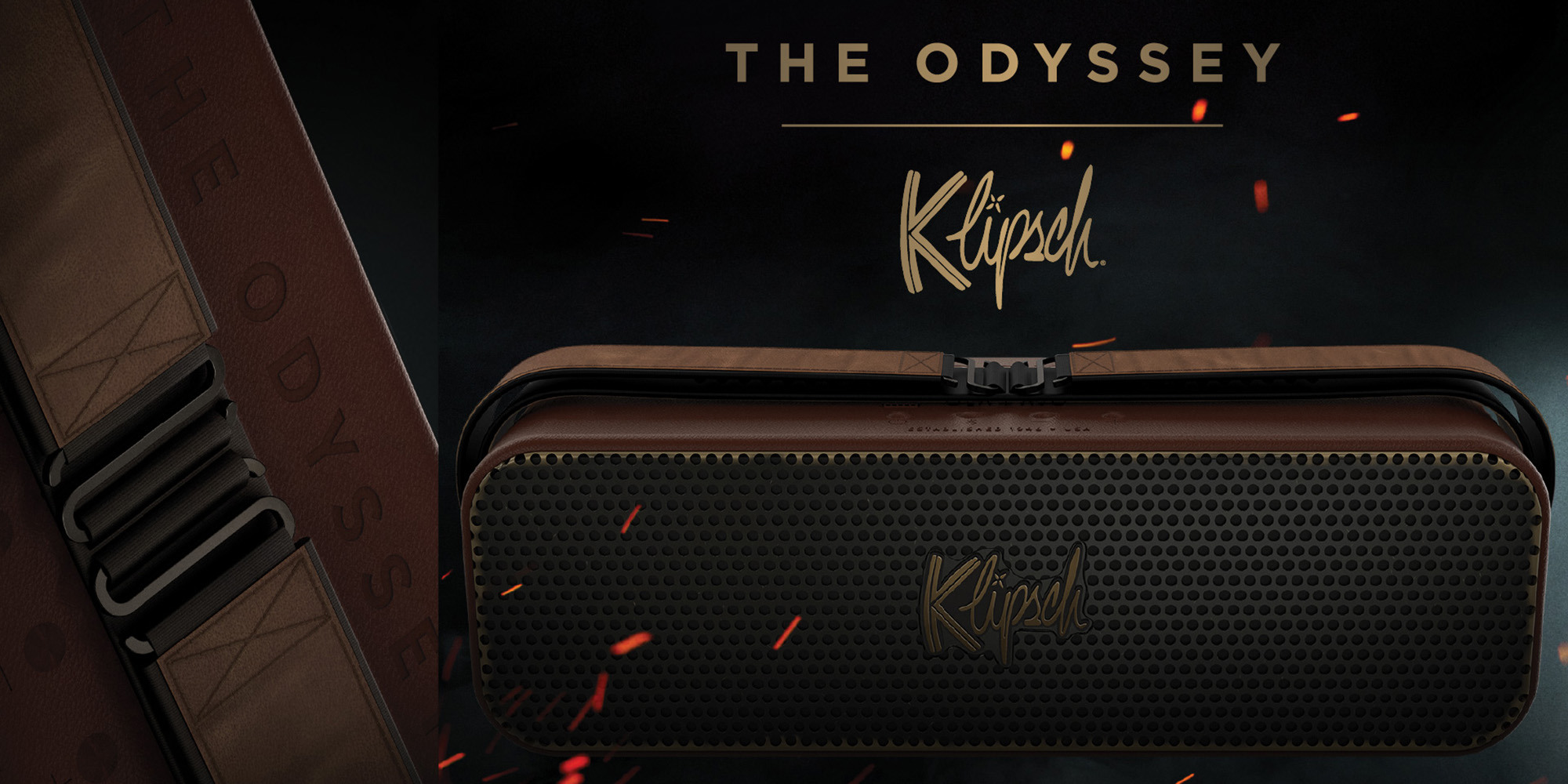
For a premium audio company, Nolan’s filmmaking reputation gives the collaboration a degree of category credibility that a generic movie licensing deal might lack. The association is less about putting a movie logo on electronics and more about connecting home audio with the idea of theatrical immersion.
That is an important distinction for marketers. The strongest IP partnerships usually have a reason to exist beyond shared audience reach. Klipsch can plausibly say: if the film is designed as a premium audiovisual experience, premium speakers belong in that conversation.
2. Fortnite turns the movie into digital identity
Fortnite takes the opposite approach. Rather than recreating the cinema experience, the platform translates The Odyssey into something players can inhabit through an exclusive skin.
That matters because branded skins are not conventional ads. They are identity products. Players choose to wear an IP inside a social environment, effectively turning fandom into self-expression.
Branded Fortnite activations work best when the intellectual property becomes part of what players do or how they present themselves, rather than appearing as static advertising. For The Odyssey, Fortnite gives the movie a life outside the theater and inside a platform where cultural franchises routinely overlap.
3. Cactus Jack turns fandom into scarcity
Travis Scott’s Cactus Jack uses a different cultural mechanism: the limited drop.
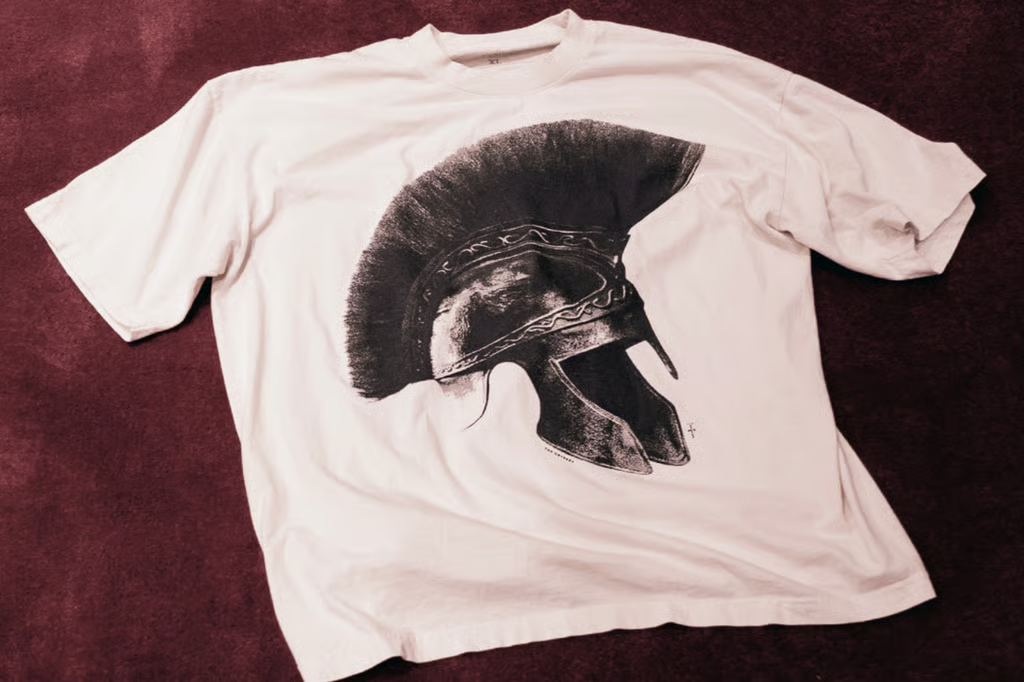
Its The Cactus Jack x ‘The Odyssey’ x IMAX capsule positions the movie inside streetwear and hype culture, where scarcity can be as important as the product itself. That changes the role of merchandise. Instead of simply giving movie fans something branded to buy, the collaboration turns ownership into evidence of participation in a cultural moment.
Scarcity, queues, resale activity, and social posting can turn the launch itself into the marketing event. The Cactus Jack partnership therefore extends The Odyssey into an audience that understands drops as media.
3. Hamilton turns Nolan’s obsession with time into a product
Hamilton may have the cleanest thematic fit of the group. Time has long been one of Nolan’s recurring cinematic devices, from Inception and Interstellar to Dunkirk and Tenet. A watch collaboration therefore taps into something fans already associate with the filmmaker.
That gives Hamilton more to work with than a movie title. The watch can function as memorabilia, fashion accessory, collectible, and reference to Nolan’s broader creative identity at the same time.
For marketers, this illustrates the difference between licensing a franchise and identifying a cultural cue inside it. The latter often produces a stronger creative idea because consumers can understand why the brands belong together.
Why The Odyssey works across such different brand categories
Audio equipment, Fortnite skins, streetwear, and watches do not naturally belong in the same campaign plan. That is precisely what makes The Odyssey useful as a case study.
The partners are not all activating the same aspect of the movie. They are extracting different pieces of meaning from the same cultural property.
Klipsch gets cinematic immersion. Fortnite gets character and identity. Cactus Jack gets hype and scarcity. Hamilton gets craftsmanship, collecting, and Nolan’s relationship with time.
The IP effectively acts as shared cultural infrastructure while each brand keeps its own category logic. That is a stronger model than simply stamping identical artwork across four unrelated products.
It also reflects a broader shift in entertainment marketing. Successful franchises increasingly behave less like individual media releases and more like platforms that can support gaming, fashion, collectibles, physical experiences, and creator culture simultaneously.
What marketers should learn from The Odyssey brand takeover
There are four useful lessons here.
- Wait for the right cultural signal, not just a big audience
A large movie audience alone does not guarantee a strong brand fit. What helps The Odyssey is that Nolan comes with recognizable associations around Imax, filmmaking craft, collectibility, scale, and obsessive fandom. Marketers should look for IP with distinct cultural codes their brand can credibly borrow.
- Give each category its own reason to participate
The smartest partnerships do not all execute the same idea. Klipsch does not need a Fortnite strategy, and Fortnite does not need to sell cinematic authenticity. Each partner translates the property through its own product behavior. That protects brand relevance while still benefiting from shared fandom.
- Design merchandise as media
Cactus Jack and Hamilton show how physical products can generate attention beyond their direct sales value. Scarcity, design details, fandom discussion, unboxings, resale activity, and social sharing all give merchandise a second job as content. For brands considering entertainment collaborations, earned attention around the object may matter as much as units sold.
- Let fans display participation
Fortnite skins and limited-edition products work partly because they allow audiences to show that they belong to the moment. This is a useful test for marketers evaluating an IP activation: does the collaboration merely put the franchise in front of people, or does it give fans a way to express their connection to it?
Entertainment IP is becoming a distribution system
The most interesting thing about The Odyssey is no longer simply whether another Nolan movie can cross US$1 billion.
Its commercial success is demonstrating how quickly a major entertainment property can spread into adjacent consumer categories once fandom reaches critical mass.
The movie theater creates the initial cultural event. Imax amplifies its premium positioning. Fortnite converts fandom into digital identity. Cactus Jack turns it into scarcity. Hamilton turns it into collectibility. Klipsch connects it back to the sensory experience of cinema.
For marketers, that is the bigger story. Strong entertainment IP is increasingly functioning like a distribution system for cultural relevance. Brands do not necessarily need to invent the conversation themselves. But they do need a credible reason to enter it.